
Anúncios
Every object around us tells a story. From the coffee mug on your desk to the jewelry you wear, symbolic objects silently communicate meanings that shape our relationships, identities, and cultures.
🔍 The Silent Language of Everyday Objects
We navigate through life surrounded by objects that transcend their functional purposes. A wedding ring isn’t merely a metal band; a family heirloom carries generations of memories; a smartphone represents far more than communication technology. These items become vessels of meaning, holding emotional weight that far exceeds their material value.
Anúncios
Understanding symbolic objects requires recognizing that humans are meaning-making creatures. We imbue the things we touch, use, and treasure with layers of significance that connect us to others, anchor us to memories, and express our deepest values. This phenomenon spans cultures, epochs, and social contexts, revealing universal patterns in how we relate to the material world.
The study of symbolic objects intersects anthropology, psychology, sociology, and semiotics. Researchers have long recognized that material culture reflects and shapes human consciousness. What we choose to keep, display, gift, and discard reveals profound truths about individual psychology and collective identity.
Anúncios
💍 Objects That Bind: Symbols of Connection and Commitment
Perhaps no category of symbolic objects carries more universal significance than those representing human bonds. Wedding rings exemplify this perfectly—simple circles of metal transformed into powerful symbols of eternal commitment, unity, and love across countless cultures.
The circular shape itself carries meaning: no beginning, no end, representing infinite connection. The tradition of exchanging rings dates back thousands of years, with ancient Egyptians believed to be among the first to use rings as symbols of eternity. The placement on the fourth finger of the left hand stems from the Roman belief in the “vena amoris”—the vein of love supposedly running directly to the heart.
Beyond wedding bands, friendship bracelets, lockets containing photographs, and shared objects between loved ones all serve similar functions. These items become tangible representations of intangible emotional bonds. When separated by distance, people touch these objects to feel psychologically closer to absent loved ones.
Gift-giving transforms ordinary objects into symbolic carriers of affection, gratitude, or apology. The monetary value often matters less than the thought, timing, and context. A pressed flower from a first date may outweigh expensive jewelry in personal significance. This demonstrates how symbolic meaning is socially constructed rather than inherent to objects themselves.
🏠 Household Objects as Identity Markers
Our living spaces function as curated exhibitions of self. The objects we choose to surround ourselves with communicate identity to visitors and reinforce our self-concept to ourselves. This phenomenon explains why decorating a new home feels so personally significant—we’re literally constructing our environment to reflect who we are or aspire to be.
Bookshelves reveal intellectual interests and values. Displaying certain authors signals education, political leanings, or cultural sophistication. Even the choice between physical books and digital readers carries symbolic weight, with physical collections often representing authenticity, permanence, or intellectual seriousness.
Family photographs scattered throughout homes serve multiple functions. They anchor personal history, demonstrate valued relationships, and assert continuity between past and present. The placement of these images—on walls, mantels, or bedside tables—indicates relational hierarchies and emotional priorities.
Kitchen objects carry particularly rich symbolic meanings. Grandma’s recipe box, a well-worn cast-iron skillet, or special occasion dishes connect present cooking to ancestral traditions. These items transmit cultural heritage and family identity across generations, transforming meal preparation into an act of remembrance and continuity.
👔 Personal Adornment and Social Signaling
Clothing and accessories function as wearable symbols broadcasting identity, status, affiliation, and values. Fashion has always served communicative purposes beyond protection from elements. We dress to impress, to blend in, to stand out, or to declare allegiance to particular groups or ideologies.
Professional attire exemplifies symbolic dressing. Business suits signal competence, seriousness, and conformity to corporate culture. The gradual relaxation of dress codes in tech industries symbolically represents innovation, creativity, and rejection of traditional hierarchies. What we wear to work communicates volumes about organizational culture and individual positioning within it.
Religious and cultural symbols worn as jewelry or clothing serve identity-declaration functions. Crosses, hijabs, turbans, kippot, and other visible markers announce religious affiliation and commitment. These objects invite recognition from fellow believers while also potentially exposing wearers to discrimination, making the choice to display them particularly significant.
Vintage or inherited jewelry carries layered meanings. A grandmother’s brooch connects the wearer to family history while also making aesthetic and potentially political statements about sustainability, uniqueness, or rejection of fast fashion. Single objects can simultaneously communicate multiple meanings to different audiences.
📱 Technology as Modern Symbolism
Contemporary life introduces new categories of symbolic objects, particularly technological devices. Smartphones have become extensions of self, containing our communications, memories, relationships, and increasingly, our identities. The anxiety people feel when separated from phones reflects their symbolic importance beyond mere functionality.
Brand choices in technology carry significant symbolic weight. Apple products signal design consciousness, creative professionalism, or membership in particular socioeconomic classes. Android phones may represent technical sophistication, budget consciousness, or rejection of mainstream trends. These meanings shift across cultural contexts and evolve over time.
Social media profiles function as curated collections of symbolic objects and experiences. The photos we share, the life events we announce, and the affiliations we display construct digital identities that may align with or diverge from offline selves. Profile pictures become primary symbols of identity in digital spaces.
Even phone cases and laptop stickers transform functional devices into personalized symbols. Band stickers, political slogans, or aesthetic choices declare interests, values, and affiliations to anyone who glimpses these devices in public spaces.
🎓 Objects of Achievement and Transition
Certain objects mark important life transitions and accomplishments. Diplomas, trophies, certificates, and awards physically represent achievements that might otherwise remain abstract. Displaying these items reinforces personal accomplishment while signaling competence and success to others.
Graduation caps and gowns temporarily transform ordinary individuals into symbols of educational achievement. The ritualistic wearing of these garments during ceremonies emphasizes the significance of the transition being marked. Afterwards, tassels and caps often become keepsakes representing this pivotal moment.
Keys carry powerful symbolic meanings related to transition and responsibility. First car keys represent independence and coming-of-age. House keys symbolize homeownership, stability, and adulthood. Keys gifted between romantic partners indicate trust and intimacy, granting access to private spaces and lives.
Baby shoes, first teeth, or locks of hair preserved by parents exemplify how objects capture fleeting moments of growth and change. These items allow parents to hold onto childhood stages that pass quickly, transforming ephemeral experiences into lasting material memories.
⚰️ Memorial Objects and Grief Processing
Objects belonging to deceased loved ones take on profound symbolic significance. Inheritance of possessions becomes emotionally charged as family members negotiate which items best represent their relationships with the departed. A father’s watch or mother’s cookbook may comfort grieving relatives while maintaining connection to lost loved ones.
Memorial jewelry—containing ashes, fingerprints, or other physical traces—represents modern approaches to maintaining bonds with the deceased. These items allow people to literally keep loved ones close, transforming grief into wearable remembrance.
Grief researchers recognize that objects facilitate continuing bonds with the deceased rather than requiring complete detachment. Keeping, using, or wearing items that belonged to lost loved ones helps people integrate loss while maintaining connection, demonstrating the therapeutic potential of symbolic objects.
Cultural variations in memorial practices reveal different relationships between objects, memory, and the dead. Some cultures create elaborate shrines or altars with photographs and meaningful items, while others prefer minimal material remembrance. These differences reflect broader cultural beliefs about death, memory, and the material world.
🌍 Cultural Objects and Collective Identity
Beyond personal symbolism, certain objects carry meanings for entire communities or cultures. National flags represent perhaps the most obvious example—pieces of cloth transformed into powerful symbols of national identity, sovereignty, and shared values. The emotional reactions flags evoke demonstrate how effectively objects can concentrate collective meaning.
Cultural artifacts in museums function as symbolic repositories of heritage. Indigenous communities have increasingly reclaimed objects taken by colonizers, recognizing that these items represent more than historical curiosity—they embody cultural knowledge, spiritual significance, and collective identity.
Food objects carry cultural symbolism. Particular dishes become associated with national or ethnic identity, with recipes and cooking methods transmitted across generations. Sharing cultural foods becomes an act of hospitality, education, and identity affirmation, transforming meals into symbolic exchanges.
Sports memorabilia connects fans to teams, creating shared identity across diverse individuals. Jerseys, scarves, and other team-branded objects allow people to literally wear their allegiances, transforming personal fandom into visible community membership.
🎨 The Psychology Behind Symbolic Attachment
Psychologists have extensively studied why humans form attachments to objects. Object attachment begins in childhood with transitional objects like blankets or stuffed animals that provide comfort during separation from caregivers. These early experiences establish patterns of using objects for emotional regulation that persist throughout life.
The “endowment effect” explains why we value objects we own more highly than identical objects we don’t possess. Ownership itself adds symbolic value beyond functional or monetary worth. This psychological phenomenon affects everything from consumer behavior to difficulty decluttering homes.
Nostalgia plays a significant role in symbolic object attachment. Items associated with happy memories or important life periods become portals to the past, allowing us to revisit earlier versions of ourselves. This explains why people struggle to discard childhood toys, old letters, or other objects with primarily sentimental value.
Material possessions can become incorporated into extended self-concept. The things we own, create, or collect aren’t experienced as entirely separate from ourselves but rather as extensions of identity. Loss or damage to highly symbolic possessions can therefore feel like personal violations, not mere property damage.
♻️ When Symbols Lose Meaning: Disposal and Transformation
The process of objects losing symbolic significance reveals important truths about meaning-making. Divorce often requires decisions about wedding rings and other relationship symbols—whether to store, sell, repurpose, or destroy them. These choices represent attempts to manage the emotional meanings embedded in material forms.
Decluttering movements like minimalism require people to separate functional utility from symbolic meaning, often revealing how much meaning we’ve invested in possessions. The emotional difficulty of discarding objects we never use demonstrates that symbolic value frequently outweighs practical considerations.
Repurposing symbolic objects represents attempts to preserve meaning while adapting to new circumstances. Quilts made from deceased loved ones’ clothing, jewelry redesigned from inherited pieces, or furniture refinished for new homes all maintain connections to original meanings while creating space for new associations.
Digital photography has transformed how we relate to physical photographs. Once-precious printed images lose value when high-quality digital copies exist. This shift demonstrates how technological change affects symbolic object systems, sometimes diminishing the power of material forms.
🔮 The Future of Symbolic Objects in Digital Ages
As more of life moves into digital spaces, questions arise about whether virtual objects can carry equivalent symbolic weight. NFTs and digital collectibles represent attempts to create scarcity and ownership in digital environments, essentially manufacturing conditions for symbolic value to emerge.
Virtual memorials, online shrines, and digital legacy planning show how death and remembrance are adapting to technological change. Social media profiles of deceased individuals become memorial sites where symbolic gestures like birthday messages persist despite the recipient’s absence.
The tension between physical and digital possessions will likely continue shaping how future generations relate to symbolic objects. Younger people who’ve grown up digital may attach symbolic significance to virtual items in ways previous generations reserve for physical possessions.
Environmental concerns about material consumption may transform symbolic object practices. As sustainability becomes increasingly important, people may invest symbolic meaning in fewer, higher-quality items chosen for longevity rather than accumulating disposable objects with temporary significance.
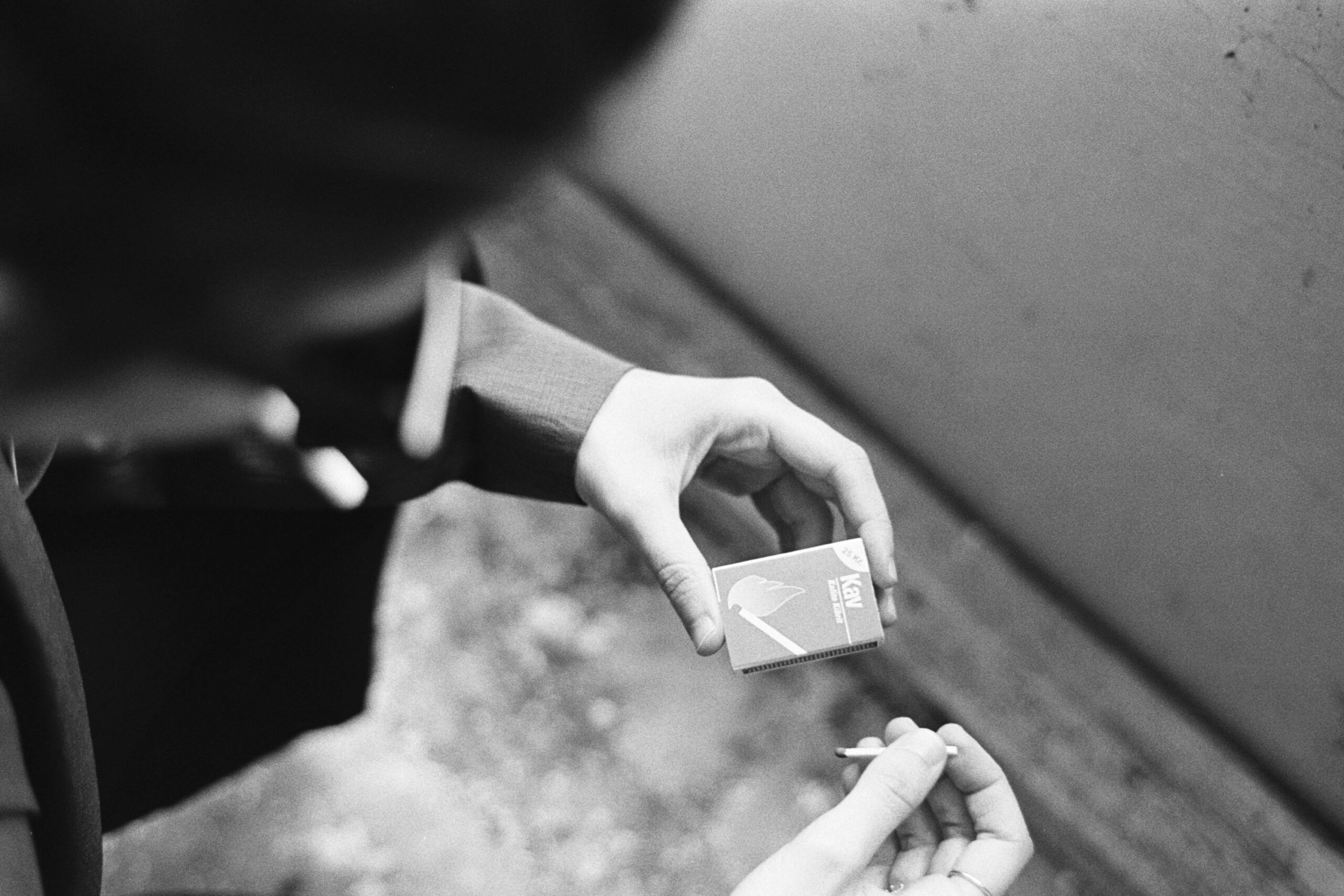
🎭 Reading the Objects Around You
Developing awareness of symbolic objects in your own life and others’ environments provides fascinating insights into values, relationships, and identities. Notice what people choose to display prominently versus what remains hidden. Observe which possessions receive careful maintenance and which are neglected.
The objects we surround ourselves with aren’t random—they’re carefully curated, consciously or unconsciously, to create environments that reflect and reinforce who we are. Looking around your current space, what stories do your possessions tell? What would a stranger conclude about your priorities, relationships, and history from observing your material surroundings?
Understanding symbolic objects helps us navigate social situations more skillfully. Recognizing that a gift becomes a symbol of the relationship encourages more thoughtful choosing. Appreciating that inherited items carry emotional weight explains family conflicts over estate distribution. Seeing how objects communicate identity helps us craft environments that authentically represent our values.
The objects that speak loudest in our lives often aren’t the most expensive or impressive—they’re the ones connected to meaningful relationships, important memories, or deeply held values. A child’s drawing on the refrigerator, a rock collected on a memorable hike, or a coffee mug from a meaningful trip may carry more symbolic weight than objects worth thousands of dollars.
By recognizing how things speak, we become more conscious participants in the meaning-making processes that shape human experience. We can choose objects more intentionally, treasure possessions more appropriately, and create environments that authentically reflect and support who we are and aspire to become. The hidden meanings aren’t really hidden—they’re everywhere around us, waiting to be read by those willing to look beyond surface appearances to the rich symbolic landscape of everyday material life.
