
Anúncios
Patterns surround us—in nature, art, music, and even our daily routines. When repetition meets intention, something extraordinary emerges: a surreal force capable of transforming perception and unlocking creative potential.
The concept of “surreal repetition with purpose” goes beyond simple redundancy. It’s about harnessing the hypnotic power of patterns to create experiences that inspire deep emotional responses, shift consciousness, and captivate audiences in ways that linear narratives cannot. From ancient mandalas to modern digital art, purposeful repetition has served as a gateway to transcendence, meditation, and profound aesthetic appreciation.
Anúncios
Understanding how patterns work on our psychology and physiology opens doorways to enhanced creativity, improved learning, and transformative experiences. This exploration delves into the mechanics of meaningful repetition and how you can apply these principles to inspire change in your own life and creative work.
🌀 The Neuroscience Behind Pattern Recognition and Emotional Response
Our brains are pattern-recognition machines, evolved over millennia to identify regularities in our environment. This fundamental cognitive function helped our ancestors predict where food would appear, recognize threats, and navigate complex social structures. Today, this same neural wiring makes us deeply responsive to patterns in unexpected and powerful ways.
Anúncios
When we encounter repetition, our brains initially work to process and categorize the information. Once a pattern is established, something remarkable happens: the prefrontal cortex relaxes its analytical grip, allowing other brain regions to engage more fully. This shift creates a state similar to meditation, where conscious thought decreases and intuitive, emotional processing increases.
Research in neuroscience reveals that repetitive patterns activate the brain’s reward system, releasing dopamine and creating pleasurable sensations. This explains why we find rhythm in music so satisfying, why visual patterns can be mesmerizing, and why certain repeated phrases in poetry or speeches become memorable and moving.
The key distinction between meaningless repetition and surreal repetition with purpose lies in variation. Pure repetition quickly becomes monotonous, triggering habituation where the brain simply stops paying attention. However, patterns that incorporate subtle changes, unexpected breaks, or evolving complexity maintain engagement while still providing the psychological benefits of repetition.
🎨 Patterns in Art: From Ancient Symbols to Contemporary Expression
Throughout human history, artists have understood intuitively what scientists now confirm: patterns possess transformative power. Ancient cultures created intricate geometric designs not merely for decoration but as tools for spiritual practice and collective identity.
Islamic art demonstrates this principle magnificently. The prohibition against depicting living beings led to the development of extraordinarily complex geometric patterns that mathematicians still study today. These designs weren’t random—they represented divine order, infinity, and the interconnectedness of creation. Viewers report experiences of awe, tranquility, and spiritual connection when contemplating these works.
In contemporary art, repetition serves different but equally powerful purposes. Andy Warhol’s serial imagery challenged notions of originality and mass production while creating iconic works that burned themselves into cultural consciousness. Yayoi Kusama’s infinite polka dots create immersive environments that dissolve boundaries between self and space, offering visitors transcendent experiences.
The surrealist movement itself understood that disrupting expected patterns could unlock unconscious material and reveal hidden truths. By juxtaposing repetitive elements with unexpected variations, surrealist artists created works that bypassed rational defenses and spoke directly to the deeper psyche.
Creating Visual Patterns That Transform
If you’re working with visual media, consider these principles for creating powerful repetitive patterns:
- Establish a clear base pattern that viewers can quickly recognize and anticipate
- Introduce strategic variations that surprise without completely breaking the established rhythm
- Use scale shifts to create depth and maintain visual interest across repetitions
- Incorporate color evolution so repeated elements gradually shift in hue, saturation, or value
- Create nested patterns where larger repetitions contain smaller ones, revealing complexity upon closer inspection
🎵 The Hypnotic Power of Musical Repetition
Music may be the art form where purposeful repetition achieves its most obvious power. From the trance-inducing drumming of shamanic rituals to the infectious hooks of pop music, repetition in sound creates altered states and emotional connection.
Minimalist composers like Steve Reich and Philip Glass built entire careers on exploring how slight variations in repeated patterns could create profound listening experiences. Reich’s “Music for 18 Musicians” features a simple pattern that gradually shifts over nearly an hour, creating what listeners describe as a meditative journey through sonic space.
In popular music, the “hook” relies entirely on repetition. The most memorable songs feature phrases or melodies repeated frequently enough to become embedded in memory but varied enough to remain interesting. This balance between familiarity and novelty triggers the brain’s pleasure centers while ensuring the pattern doesn’t become tiresome.
Electronic music and EDM have taken repetition to new extremes, building entire compositions on loops that gradually evolve. The predictable pulse provides a foundation that allows dancers to enter flow states, while subtle changes in texture, filter sweeps, and layering maintain engagement over extended periods.
📖 Linguistic Patterns: The Rhythm of Language That Moves Us
Words gain power through repetition. Political speeches, poetry, religious texts, and advertising all leverage repeated phrases to create emotional impact and memorability.
Martin Luther King Jr.’s “I Have a Dream” speech demonstrates this principle masterfully. The repeated phrase creates a rhythmic anchor that allows listeners to anticipate structure while the varying content that follows each repetition builds emotional momentum. This technique—called anaphora—has been used by orators throughout history because it works on both conscious and unconscious levels.
In poetry, repetition creates musicality and emphasizes themes. Refrains, repeated lines, and echoing sounds (alliteration, assonance) make language memorable and emotionally resonant. The purpose isn’t just aesthetic—these patterns help ideas penetrate deeper into consciousness and remain there.
Modern content creators understand that repeated messaging across platforms strengthens brand recognition and recall. However, the most effective repetition maintains a consistent core message while varying the presentation, preventing audience fatigue while building familiarity.
🧘 Patterns as Portals: Meditation and Consciousness Transformation
Many meditation traditions explicitly use repetitive patterns to facilitate altered consciousness states. Mantras—repeated phrases or sounds—occupy the analytical mind, allowing practitioners to access deeper awareness levels.
The repetition of a mantra isn’t meaningless; it serves multiple purposes. The sound vibrations may have physiological effects. The rhythmic repetition entrains brainwaves to slower frequencies associated with relaxation and insight. The semantic meaning (if any) gradually dissolves through repetition, moving from conceptual understanding to direct experience.
Visual meditation objects like mandalas work similarly. The symmetrical, repeating patterns provide a focus point that facilitates concentration. As the mind settles into contemplating the pattern, ordinary thinking diminishes and meditative awareness emerges.
Walking meditation employs physical repetition. The repeated action of stepping becomes the pattern, creating a rhythmic foundation that anchors awareness in the present moment. This demonstrates that patterns needn’t be purely visual or auditory—any repeated action performed with intention can serve as a transformative practice.
Practical Applications for Personal Transformation
You can harness repetition’s power for personal growth through these approaches:
- Establish morning rituals that create positive patterns to begin each day with intention
- Use affirmations strategically by repeating empowering statements until they bypass conscious resistance
- Create physical practice loops where repeated movements build skill while inducing meditative states
- Design environmental patterns in your living or working space that reinforce desired mental states
- Develop creative routines that use repetition to access flow states more reliably
🔬 The Science of Habit Formation Through Pattern Recognition
Habits are essentially behavioral patterns, and understanding how repetition creates habits reveals practical applications for personal development. Neuroscience shows that repeated behaviors create and strengthen neural pathways, making those behaviors progressively easier and more automatic.
The habit loop consists of a cue, routine, and reward. The cue triggers the pattern, the routine is the repeated behavior, and the reward reinforces the neural pathway. When this loop repeats consistently, the behavior becomes automatic—a pattern embedded at the neurological level.
This understanding allows intentional habit creation. By consciously designing positive patterns and repeating them consistently, you can transform behaviors that initially require effort into automatic responses that support your goals. The key is consistency and patience—research suggests it takes between 21 and 66 days of repetition for a behavior to become truly habitual.
Breaking unwanted patterns requires similar understanding. Since habits are neural patterns strengthened through repetition, changing them means either replacing the routine with a different behavior (keeping the same cue and reward) or eliminating the cue that triggers the pattern.
💼 Business Applications: Patterns That Build Brands and Customer Loyalty
Successful businesses understand that brand recognition relies on repeated patterns. Logos, color schemes, taglines, and even service experiences become valuable through consistent repetition that builds familiarity and trust.
Think of brands with iconic patterns: Apple’s minimalist aesthetic, Coca-Cola’s distinctive script and red color, McDonald’s golden arches. These repeated visual elements become so strongly associated with the brand that they trigger immediate recognition and emotional responses.
Customer experience design increasingly focuses on creating positive repeated patterns. Starbucks doesn’t just sell coffee—they’ve created a ritualized experience pattern that customers repeat regularly, from the ordering process to the cup design. This pattern repetition builds loyalty that transcends the product itself.
Marketing campaigns gain effectiveness through repetition across multiple touchpoints. However, sophisticated marketers understand the need for variation within repetition—the core message remains consistent while the creative execution changes to maintain interest and reach different audience segments.
🎬 Cinematic Repetition: Visual Storytelling Through Pattern and Variation
Filmmakers use repeated visual motifs, recurring scenes, and thematic patterns to create deeper meaning and emotional resonance. These patterns work subconsciously on viewers, creating coherence and emphasizing themes without explicit explanation.
Directors like Wes Anderson are known for creating highly patterned visual compositions where symmetry, color coordination, and repeated framing techniques create distinctive aesthetic experiences. These patterns aren’t arbitrary—they support narrative themes and emotional tones.
Christopher Nolan’s films frequently employ structural repetition, with scenes that parallel earlier moments or narrative loops that return to similar situations with new understanding. This technique invites viewers to notice connections and construct meaning from the patterns.
Even editing rhythms use repetition purposefully. Action sequences often feature rapid cuts that create a visual rhythm matching the scene’s intensity, while contemplative moments employ longer takes that establish a different pattern, allowing viewers to settle into reflection.
🌿 Nature’s Patterns: Learning From Biological Repetition
Nature is the ultimate pattern designer. From the spiral of a nautilus shell to the branching of trees, from the hexagonal cells of honeycomb to the fractal patterns of coastlines, natural repetition serves functional purposes while creating stunning beauty.
These patterns emerge from simple rules repeated across scales. A single cell division pattern, repeated millions of times, creates complex organisms. This principle—that simple repeated processes generate complex results—offers profound insights for creative and problem-solving work.
Biomimicry applies nature’s patterns to human design challenges. Engineers study how repeated structures in bone create strength with minimal weight. Architects examine how termite mounds use repeated ventilation patterns to maintain temperature. These natural patterns, refined through millions of years of evolution, provide proven solutions.
The psychological impact of natural patterns is significant. Research shows that exposure to natural environments and patterns reduces stress, improves cognitive function, and enhances well-being. This effect—called biophilia—suggests our brains are specifically tuned to find natural patterns restorative and pleasing.
🚀 Digital Patterns: Algorithms, AI, and the Future of Purposeful Repetition
Digital technology has exponentially expanded our capacity to create and manipulate patterns. Algorithms are essentially pattern-generating rules that computers execute with perfect consistency and infinite patience.
Generative art uses algorithms to create visual patterns that would be impossible to produce manually. Artists write code that defines rules, then allow the computer to execute those rules thousands or millions of times, creating emergent complexity from simple repeated processes.
Artificial intelligence learns by identifying patterns in massive datasets. Machine learning models essentially become sophisticated pattern-recognition and pattern-generation systems. As AI evolves, the patterns it can recognize and create become increasingly complex and nuanced.
Social media algorithms use pattern recognition to determine what content to show users. By identifying patterns in engagement behavior, these systems create feedback loops that can either expand or limit the information patterns individuals encounter—a powerful reminder that patterns can constrain as well as liberate.
✨ Integrating Surreal Repetition Into Your Creative Practice
Whether you’re an artist, writer, musician, designer, or simply someone interested in living more creatively, purposeful repetition can enhance your work and experience. The key is finding the balance between consistency and variation that creates meaning rather than monotony.
Start by observing patterns already present in your life and work. What repeated elements already exist? How might you make these repetitions more intentional? What variations might you introduce to increase engagement while maintaining the pattern’s core identity?
Experiment with establishing a personal creative pattern—a regular time, place, and ritual for creative work. This repeated framework reduces decision fatigue and signals your brain that it’s time to enter creative mode. Many prolific creators attribute their productivity to such patterns.
Consider how repetition might serve your specific creative goals. Are you trying to create meditative experiences? Build brand recognition? Emphasize themes? Create memorable hooks? Different purposes require different approaches to repetition and variation.
Don’t fear repetition. Many creators worry that repetition indicates lack of originality. However, the most distinctive creative voices often emerge through exploring variations on repeated themes. Consistency in subject matter, aesthetic approach, or thematic concerns doesn’t limit creativity—it focuses and deepens it.
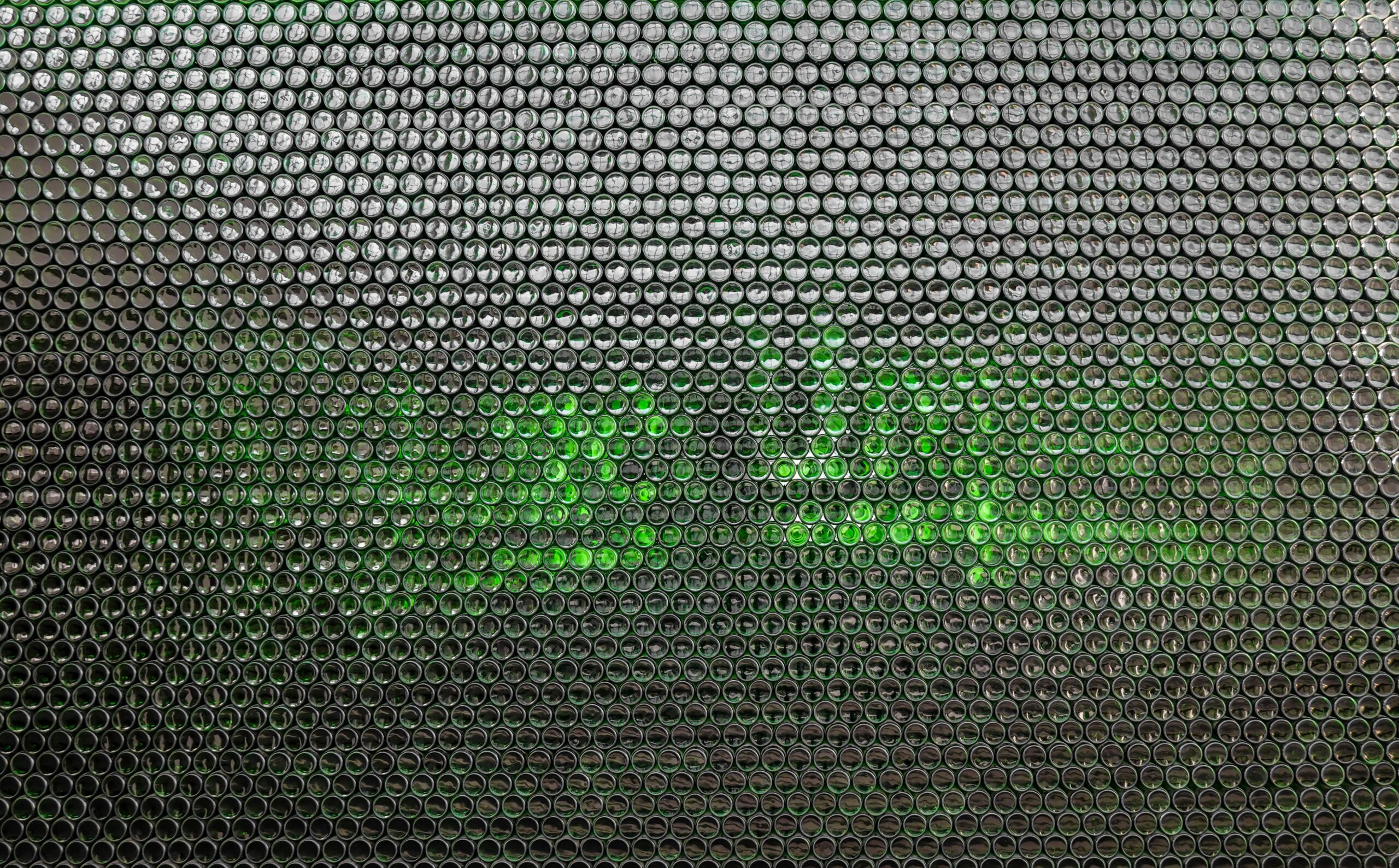
🌟 The Transformative Potential of Conscious Pattern Creation
Ultimately, surreal repetition with purpose represents a fundamental creative principle: that meaning emerges not just from individual elements but from relationships between elements, and that repeated patterns create the strongest relationships.
When you consciously create patterns—in your art, communication, environment, or daily life—you tap into deep psychological and neurological mechanisms that shape perception, emotion, and behavior. This isn’t manipulation; it’s understanding how human consciousness operates and working with those principles intentionally.
The surreal aspect comes from recognizing that these patterns can transport us beyond ordinary experience. Through repetition that induces meditative states, visual patterns that dissolve boundaries, musical loops that trigger euphoria, or linguistic repetition that bypasses rational resistance, we access extraordinary states within ordinary life.
The transformative power lies in intention. Random repetition creates noise. Purposeful repetition creates signal—clear, strong, capable of cutting through chaos to reach people at fundamental levels. Whether you’re creating art, building a business, developing personal habits, or simply trying to live more meaningfully, understanding and applying the principles of surreal repetition with purpose offers a path to greater impact and deeper experience.
As you move forward, pay attention to patterns. Notice them, create them, refine them. Recognize that the repeated elements in your life aren’t obstacles to change but potential foundations for transformation. When repetition meets purpose, the ordinary becomes extraordinary, and the power to inspire, transform, and captivate emerges naturally from the pattern itself.
