
Anúncios
Waiting rooms exist as suspended spaces where time transforms into something tangible, offering unique moments between the rush of life and the anticipation of what comes next. ⏳
These transitional spaces have quietly shaped human experience for centuries, serving as silent witnesses to countless stories, emotions, and turning points in people’s lives. From hospital corridors to airport lounges, from therapy offices to government buildings, waiting rooms occupy a peculiar position in our collective consciousness—places where we’re neither here nor there, caught between past and future, between action and stillness.
Anúncios
The concept of a waiting room extends far beyond its physical dimensions. It represents a state of mind, a philosophical pause, and a universal human experience that transcends cultural boundaries and historical periods. In our modern world obsessed with speed and efficiency, these spaces challenge our relationship with time itself, forcing us to confront boredom, anxiety, hope, and sometimes unexpected moments of clarity.
The Architecture of Anticipation 🏛️
The design of waiting rooms speaks volumes about their intended purpose and the psychology they aim to invoke. Medical waiting rooms typically feature calming colors and comfortable seating arrangements designed to reduce anxiety. Airport lounges embrace a different aesthetic, balancing functionality with luxury for travelers caught between destinations. Legal offices often project authority and stability through their waiting area design, while creative agencies might opt for stimulating, unconventional spaces that reflect their innovative spirit.
Anúncios
The physical elements of these spaces—lighting, seating, reading materials, artwork, and even the subtle background music—work together to create an atmosphere that can either soothe or stimulate, comfort or intimidate. Architects and interior designers have increasingly recognized that waiting rooms serve as the first impression of an organization, making their design crucial to the overall experience.
Natural light has become a coveted feature in modern waiting room design, with research showing that access to windows and daylight significantly reduces perceived waiting time. Plants and natural elements contribute to creating environments that feel less institutional and more welcoming, acknowledging that the human need for connection to nature doesn’t pause just because we’re waiting for an appointment.
The Psychology of Waiting: Time’s Elastic Nature
Time behaves differently in waiting rooms. Five minutes can feel like an eternity when you’re anxious about medical test results, while an hour might pass unnoticed when you’re absorbed in a captivating magazine article. This subjective experience of time reveals profound truths about human consciousness and our relationship with uncertainty.
Psychological research has identified several factors that influence how we experience waiting. Occupied time feels shorter than unoccupied time, explaining why waiting rooms provide magazines, television screens, and increasingly, Wi-Fi access. Anxiety makes waits feel longer, which is why medical facilities invest in calming environments. Uncertain waits feel longer than known, finite waits—a phenomenon that has led many organizations to provide estimated wait times, even when those estimates are imprecise.
The social dynamics of waiting rooms also fascinate researchers. These spaces create temporary communities of strangers bound by common purpose yet separated by individual concerns. The unwritten rules of waiting room etiquette—where to sit, whether to make eye contact, how to respect personal space—reflect broader cultural norms about public behavior and social interaction.
Digital Transformation of Waiting Spaces 📱
Technology has fundamentally altered the waiting room experience in the 21st century. Smartphones have transformed these periods of forced stillness into opportunities for productivity, connection, and entertainment. We scroll through social media, answer emails, play games, or video chat with loved ones, effectively transporting ourselves elsewhere while physically remaining in the waiting space.
This digital revolution has both enhanced and complicated the waiting experience. On one hand, technology reduces boredom and anxiety by providing distraction and connection. On the other hand, it can prevent the contemplative moments that waiting rooms once naturally provided—those rare opportunities to simply sit with our thoughts in an increasingly frenetic world.
Many organizations have embraced digital solutions to improve the waiting experience beyond personal devices. Digital check-in systems reduce administrative waiting time, while apps notify patients or clients when their appointment approaches, allowing them to wait elsewhere. Queue management systems provide transparency about wait times, reducing the anxiety associated with uncertainty.
Waiting Rooms as Catalysts for Connection 🤝
Despite their reputation as spaces of isolation and anxiety, waiting rooms can serve as unexpected venues for human connection. Shared experience creates temporary bonds between strangers. A knowing glance between parents in a pediatrician’s office, a conversation about travel plans at an airport gate, or words of encouragement exchanged in a hospital waiting room—these brief interactions remind us of our common humanity.
Some organizations have intentionally designed their waiting spaces to encourage positive social interaction. Community health centers might include children’s play areas that naturally bring parents together. Professional networking spaces feature communal tables and coffee stations that facilitate conversation. Even the arrangement of seating—clustered groups versus isolated chairs—signals whether interaction is welcomed or discouraged.
The stories that unfold in waiting rooms deserve recognition. Life-changing news is received, difficult decisions are made, nervous energy finds release in conversation with strangers, and sometimes, against all odds, meaningful relationships begin in these liminal spaces where guards are down and vulnerability is shared.
The Therapeutic Potential of Pause ✨
In a culture that glorifies busyness and constant productivity, waiting rooms offer a counterintuitive gift: enforced rest. These mandatory pauses in our daily rush can become opportunities for reflection, mindfulness, and mental reset—if we allow them to be.
Rather than viewing waiting as wasted time, reframing it as gifted time can transform the experience. Those minutes in a waiting room become rare moments when we’re legitimately excused from productivity, when we’re not expected to be somewhere else or doing something else. This permission to simply be present, without agenda or expectation, is increasingly rare in modern life.
Mindfulness practitioners have long recognized the potential of waiting moments as mini-meditation opportunities. Focusing on breath, observing thoughts without judgment, or simply noticing sensory details in the environment can transform anxious waiting into centering presence. Some healthcare facilities have begun incorporating mindfulness resources—guided meditation apps, breathing exercise instructions, or calming visual displays—to help visitors utilize waiting time therapeutically.
Cultural Perspectives on Waiting and Time
Different cultures maintain distinct relationships with waiting and time, reflected in their waiting room environments and social norms. In some cultures, punctuality is paramount and delays are considered disrespectful, creating high-stress waiting experiences when schedules slip. Other cultures embrace more flexible time concepts, where waiting is simply part of the natural flow of events rather than an inconvenience to be minimized.
Mediterranean and Latin American cultures often feature more social waiting room experiences, where conversation and interaction are expected and welcomed. Northern European and East Asian waiting rooms might emphasize privacy and personal space, with social interaction limited to polite acknowledgment. Understanding these cultural differences becomes particularly important in diverse communities and international settings.
The concept of “queue culture” varies dramatically across societies. British waiting rooms famously respect orderly queuing, while in other cultures, a more fluid approach to waiting order prevails. These differences aren’t simply about etiquette—they reflect deeper cultural values about fairness, hierarchy, individualism versus collectivism, and the social contract between individuals and institutions.
The Future of Waiting: Eliminating or Enhancing? 🚀
Technological advancement promises to minimize or eliminate traditional waiting room experiences. Telemedicine reduces the need for physical waiting rooms in healthcare. Digital queuing systems allow people to wait at home or in nearby cafes. Virtual reality could transport waiting individuals to calming or engaging environments, making physical surroundings irrelevant.
Yet even as technology enables us to reduce physical waiting time, the question remains: are we losing something valuable in the process? The elimination of waiting rooms might mean the loss of enforced pause moments, opportunities for serendipitous connection, and spaces designed specifically for the transitional experience between one state and another.
Forward-thinking designers are exploring how waiting rooms might evolve rather than disappear. Concepts include transforming these spaces into wellness centers offering brief massage or meditation services, educational hubs providing relevant information and resources, or flexible community spaces serving multiple purposes beyond simply housing people until their appointments.
Creating Meaning in the Margins of Time 📖
Waiting rooms remind us that not all of life’s significant moments occur during scheduled events or planned activities. Sometimes the most important insights, conversations, or realizations happen in the margins—in those supposedly “in-between” times when we’re waiting for the “real” experience to begin.
Creative individuals throughout history have recognized waiting time as potentially productive time. Writers carry notebooks to capture ideas during waiting moments. Artists sketch. Musicians mentally rehearse. Entrepreneurs plan. Students review notes. The key lies in coming prepared to transform waiting from passive endurance into active engagement.
But equally valid is the choice to do absolutely nothing during waiting periods—to simply observe, breathe, and exist without purpose or productivity. In an era of constant stimulation and perpetual distraction, the ability to sit comfortably with oneself, without entertainment or distraction, represents a form of emotional maturity and self-sufficiency worth cultivating.
Reimagining Our Relationship with Waiting 🌟
The waiting room experience ultimately reflects our broader relationship with uncertainty, time, and the spaces between action. Rather than viewing these moments as interruptions to our “real” lives, we might recognize them as integral parts of the human experience—the pauses that give rhythm and meaning to activity, the stillness that makes movement significant.
Organizations can honor the waiting experience by designing spaces that acknowledge and respect the psychological complexity of these transitional moments. This means moving beyond merely efficient processing to creating environments that support the full range of human needs—comfort, dignity, connection, and sometimes solitude.
Individuals can transform their waiting experiences by shifting perspective from passive endurance to active choice. Whether that choice involves productivity, connection, mindfulness, or simple rest, recognizing waiting as time we’re living rather than time we’re losing changes everything.
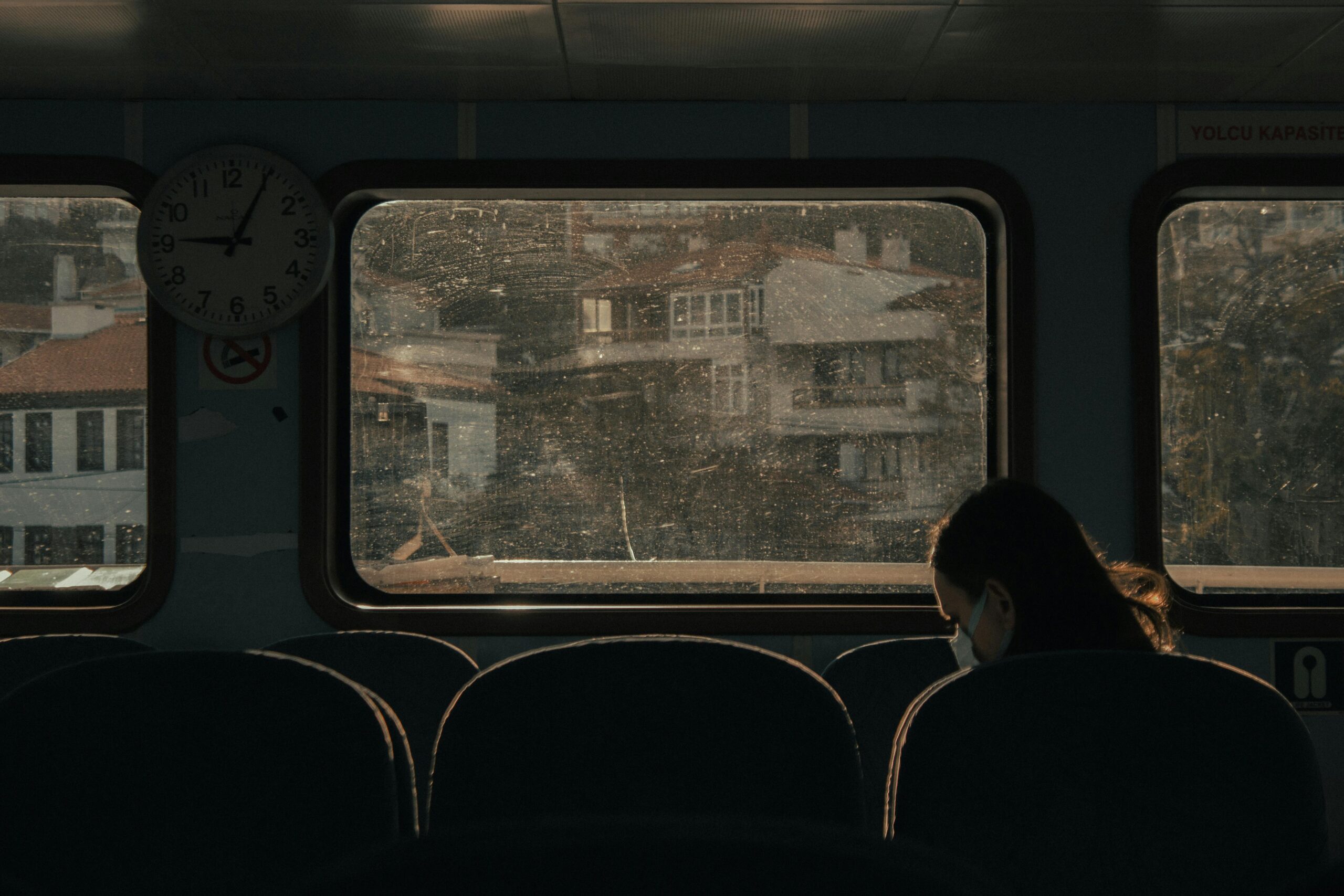
Where Possibilities Actually Begin 💫
The phrase “where possibilities begin” isn’t metaphorical when applied to waiting rooms. These spaces genuinely host beginnings—the start of medical treatment, the launch of journeys, the initiation of legal processes, the commencement of conversations that change lives. What happens in waiting rooms isn’t preliminary to the main event; it’s part of the continuous experience of being human.
Every waiting room holds stories of anxiety transformed to relief, fear giving way to courage, strangers becoming friends, and individuals finding unexpected strength in moments of vulnerability. These spaces witness our humanity in all its complexity—our impatience and our patience, our isolation and our connection, our restlessness and our peace.
As we navigate an increasingly fast-paced world, the timeless waiting room serves as a reminder that not everything valuable can be accelerated. Some experiences require the passage of time, the sitting with uncertainty, the tolerating of discomfort without immediate resolution. In learning to inhabit waiting rooms more skillfully—whether literally or metaphorically—we develop capacities that serve us throughout life.
The next time you find yourself in a waiting room, consider the unique opportunity it presents. You’re in a space designed for transition, surrounded by others navigating their own journeys, occupying a moment that exists outside the normal rush of obligations and expectations. In this pause between what was and what will be, countless possibilities exist—including the possibility of simply being present for whatever unfolds, trusting that even in waiting, you’re exactly where you need to be. 🕰️
