
Anúncios
Travel is often measured by destinations reached, but the true essence of exploration lies in the spaces between—where unexpected discoveries and authentic experiences await those who dare to slow down.
🌍 The Philosophy of In-Between Moments
We live in an age obsessed with arrival. Our social media feeds overflow with photos of famous landmarks, exotic destinations, and picture-perfect moments. Yet something profound gets lost in this rush from point A to point B. The journey itself—those hours spent on winding roads, chance encounters in roadside cafés, and spontaneous detours—holds magic that no planned itinerary can capture.
Anúncios
The concept of embracing the journey rather than fixating solely on destinations represents a fundamental shift in how we approach travel and, by extension, life itself. It’s about cultivating presence, curiosity, and openness to whatever unfolds along the way. This mindset transforms every trip into an adventure and every commute into an opportunity for discovery.
When we prioritize destinations over journeys, we reduce rich experiences to checkboxes on a bucket list. We rush through airports, speed along highways, and count down the hours until arrival. But what if those hours contain the most memorable moments of our entire trip? What if the magic we’re seeking exists not at journey’s end but scattered throughout the path itself?
Anúncios
Why the Spaces Between Matter More Than You Think
Research in psychology and travel studies reveals that our most vivid memories often come from unexpected moments rather than planned activities. That conversation with a local vendor, the sunset witnessed from a train window, or the hidden waterfall discovered after taking a wrong turn—these unscripted experiences become the stories we tell for years afterward.
The spaces between destinations offer something increasingly rare in modern life: unstructured time. In these moments, without rigid schedules or predetermined outcomes, we reconnect with spontaneity and wonder. Our minds wander, creativity flourishes, and we become receptive to serendipity.
Moreover, the journey spaces provide essential contrast. Just as silence gives meaning to music, the transition periods make destinations more impactful. Arriving somewhere becomes more significant when we’ve invested time and attention in getting there. The anticipation builds, awareness heightens, and appreciation deepens.
📱 Embracing Slow Travel in a Fast-Paced World
The slow travel movement champions exactly this philosophy. Rather than cramming fifteen cities into two weeks, slow travelers might spend those same weeks truly experiencing two cities, including the landscapes and communities between them. They take trains instead of planes, walk instead of taxi, and pause instead of rush.
This approach contradicts everything modern tourism promotes. We’re told to maximize experiences, optimize itineraries, and squeeze every possible sight into limited vacation time. But quantity rarely equals quality. Five thoroughly experienced places create richer memories than twenty rushed ones.
Slow travel also reduces environmental impact, supports local economies more effectively, and fosters genuine cultural exchange. When you spend hours in a small-town café rather than minutes at a famous monument, you contribute more meaningfully to communities and gain more authentic insights into local life.
Practical Ways to Discover Journey Magic ✨
Embracing journey spaces doesn’t require radical lifestyle changes or extensive resources. Small adjustments in perspective and planning can transform how you experience every trip, whether crossing continents or commuting to work.
Choose Transportation That Encourages Presence
Consider how different modes of transportation shape your experience. Air travel prioritizes speed and efficiency, getting you to destinations quickly but disconnecting you from the landscapes and cultures between. Trains, buses, and road trips keep you engaged with the journey, allowing you to witness gradual changes in terrain, architecture, and atmosphere.
Even when time constraints demand faster travel, you can incorporate journey-focused elements. Take the scenic route when possible. Choose window seats. Put away screens and observe the world passing by. These simple choices shift your relationship with transit time from something to endure to something to experience.
Build Flexibility Into Your Plans
Rigid itineraries are the enemy of journey magic. When every hour is scheduled, there’s no space for spontaneity, no flexibility to explore that intriguing side road or accept that unexpected invitation. Build buffer time into travel plans specifically for wandering and discovering.
This doesn’t mean traveling without any plan—complete chaos creates its own stress. Instead, create loose frameworks with room for improvisation. Book accommodations but leave days open. Identify must-see attractions but allow flexibility in how and when you visit them. Research possibilities rather than cementing certainties.
Engage With Transition Spaces Intentionally
Train stations, rest stops, ferry terminals, and roadside towns are often treated as mere waypoints—places to pass through quickly en route to somewhere better. Yet these liminal spaces have their own character, stories, and treasures waiting for attentive travelers.
Next time you find yourself in a transition space, resist the urge to hurry through. Explore the train station architecture. Chat with fellow travelers. Try the local specialty at that unremarkable-looking café. These micro-adventures cost little time but yield disproportionate rewards in unexpected memories and genuine experiences.
🚗 The Road Trip Renaissance
Road trips epitomize journey-focused travel, which explains their enduring appeal across generations and cultures. A road trip isn’t primarily about reaching the final destination—it’s about the freedom, discovery, and experiences along the way.
The beauty of road trips lies in their inherent flexibility. You can stop whenever something captures your interest, take detours on a whim, and adjust plans based on local recommendations or weather conditions. This autonomy transforms travel from a passive experience into an active adventure shaped by your curiosity and choices.
Modern technology has enhanced road trip potential without necessarily diminishing their spontaneous spirit. Navigation apps help you explore confidently while still allowing impromptu route changes. Travel apps connect you with hidden gems and local favorites you might otherwise miss.
Creating Memorable Road Trip Experiences
The most memorable road trips balance planning with spontaneity. Research the general route and identify interesting possibilities, but don’t overcommit to rigid schedules. Leave room for those “let’s see where this road goes” moments that often become trip highlights.
Consider themed road trips that give structure without rigidity: following historic routes, seeking out regional cuisine, visiting small-town museums, or exploring natural hot springs. These themes guide your journey while leaving space for unexpected discoveries.
Document your journey in ways that capture process, not just products. Instead of only photographing famous landmarks, capture roadside attractions, interesting characters, changing landscapes, and mundane moments that convey the journey’s texture and rhythm.
Learning From Journey-Focused Cultures 🌏
Many cultures have long understood what Western societies are rediscovering: the journey’s importance. Japan’s concept of “ma”—the meaningful space between things—applies beautifully to travel philosophy. It’s not empty space but rather filled with potential, transition, and significance.
Similarly, the Aboriginal Australian concept of “songlines” treats landscape not as space to cross but as narrative to experience. Journey and destination merge into continuous story, with every landmark holding meaning beyond its physical presence.
These perspectives challenge our utilitarian view of transit time as something to minimize or endure. Instead, they invite us to recognize journey spaces as integral to experience, not separate from it. The getting there is part of the being there.
Pilgrimage as Journey Embodiment
Pilgrimages across cultures—the Camino de Santiago, Hajj, Shikoku Circuit, or Appalachian Trail—exemplify journey-focused travel. While these routes have clear destinations, their true significance lies in the transformative process of getting there.
Pilgrims consistently report that the journey itself, not the arrival, creates the most profound impact. The physical challenge, gradual progression, encounters with fellow travelers, and daily rhythm of walking, resting, and reflecting foster transformation that instant arrival cannot replicate.
You needn’t undertake religious pilgrimage to access this transformative journey power. Any extended walk, bicycle tour, or slow travel experience can offer similar benefits when approached with intention and openness.
🎒 Overcoming Obstacles to Journey-Focused Travel
The biggest barrier to embracing journey magic isn’t logistical but psychological. We face internal and external pressures to maximize efficiency, see famous sights, and justify travel time with impressive destination lists.
Dealing With Limited Time
Many people believe journey-focused travel requires unlimited time—a luxury few possess. In reality, embracing the journey is about quality and perspective, not quantity of time. Even a weekend trip becomes richer when you value the getting there alongside the being there.
When time is limited, choose closer destinations accessible by scenic routes. A nearby region explored thoroughly creates more meaningful experiences than a distant destination reached hurriedly. Quality trumps quantity in travel as in most things.
Managing Expectations and Social Pressure
Social media creates pressure to visit famous places and capture impressive photos. Friends might question why you spent your precious vacation time wandering small towns instead of visiting world-famous attractions. Learning to value your own experience over external validation takes practice but pays dividends in authenticity and satisfaction.
Remember that the most memorable travel stories rarely involve famous landmarks. They’re about unexpected encounters, beautiful surprises, and genuine moments—exactly what journey-focused travel cultivates.
Digital Tools That Enhance Journey Experience 📲
Technology can either disconnect us from journey magic or enhance our ability to discover it, depending on how we use it. Mindfully selected apps and tools support spontaneous exploration while keeping us safe and informed.
Navigation apps with offline maps let you explore confidently without rigid advance planning. Apps highlighting scenic routes, quirky roadside attractions, and local favorites help you discover journey treasures you might otherwise miss. Travel journals and photo apps help you document and reflect on experiences in ways that deepen appreciation.
The key is using technology as a journey enhancer rather than journey replacement. Put down the phone periodically to simply observe and experience. Use apps to facilitate discovery, not substitute for it. Balance digital documentation with present-moment awareness.
🌅 Transforming Everyday Commutes Into Mini-Adventures
Journey-focused philosophy extends beyond vacation travel to everyday movement through the world. Your daily commute, grocery store trip, or weekend errand run all contain potential for discovery and presence when approached with curiosity.
Take a different route occasionally. Walk or bike when feasible. Notice architectural details, seasonal changes, neighborhood characters, and small businesses you usually pass blindly. These micro-explorations keep curiosity alive and remind you that magic exists not just in exotic destinations but everywhere you’re willing to see it.
This daily practice of present-moment awareness during ordinary journeys makes you a better traveler during extraordinary ones. You develop the observation skills, openness, and curiosity that transform any trip into an adventure.
The Psychological Benefits of Journey Mindfulness 🧠
Embracing journey spaces offers profound psychological benefits beyond travel enrichment. The practice cultivates mindfulness, reduces anxiety about outcomes, and helps develop comfort with uncertainty—skills that serve well in all life areas.
When you focus on the journey rather than fixating on destinations, you practice process orientation over outcome obsession. This shift reduces stress, increases enjoyment, and paradoxically often leads to better outcomes because you’re more present and responsive to opportunities.
Journey mindfulness also builds resilience and adaptability. Things rarely go exactly as planned when traveling. Weather changes, delays happen, roads close, and recommendations disappoint. Journey-focused travelers navigate these challenges more gracefully because they’re not rigidly attached to specific outcomes. The journey continues regardless, full of new possibilities.
Creating Your Personal Journey Philosophy 🎯
Embracing journey magic ultimately means developing your own philosophy about travel, movement, and experience. What aspects of journey spaces speak most deeply to you? What practices help you stay present and open? What balance of planning and spontaneity suits your temperament?
Start small. Choose one upcoming trip—even just a day trip—and intentionally focus on the journey. Take the scenic route. Build in buffer time. Say yes to one unexpected opportunity. Notice how these choices affect your experience.
Reflect afterward on what worked and what didn’t. Did you feel more relaxed or more anxious? Which moments stand out in memory? How did journey focus affect your destination experience? Use these insights to refine your approach.
Over time, journey-focused travel becomes less a technique to apply and more a natural orientation toward the world. You start automatically noticing beauty in transition spaces, feeling curious about detours, and valuing process alongside outcomes. This shift transforms not just your travels but your entire life experience.
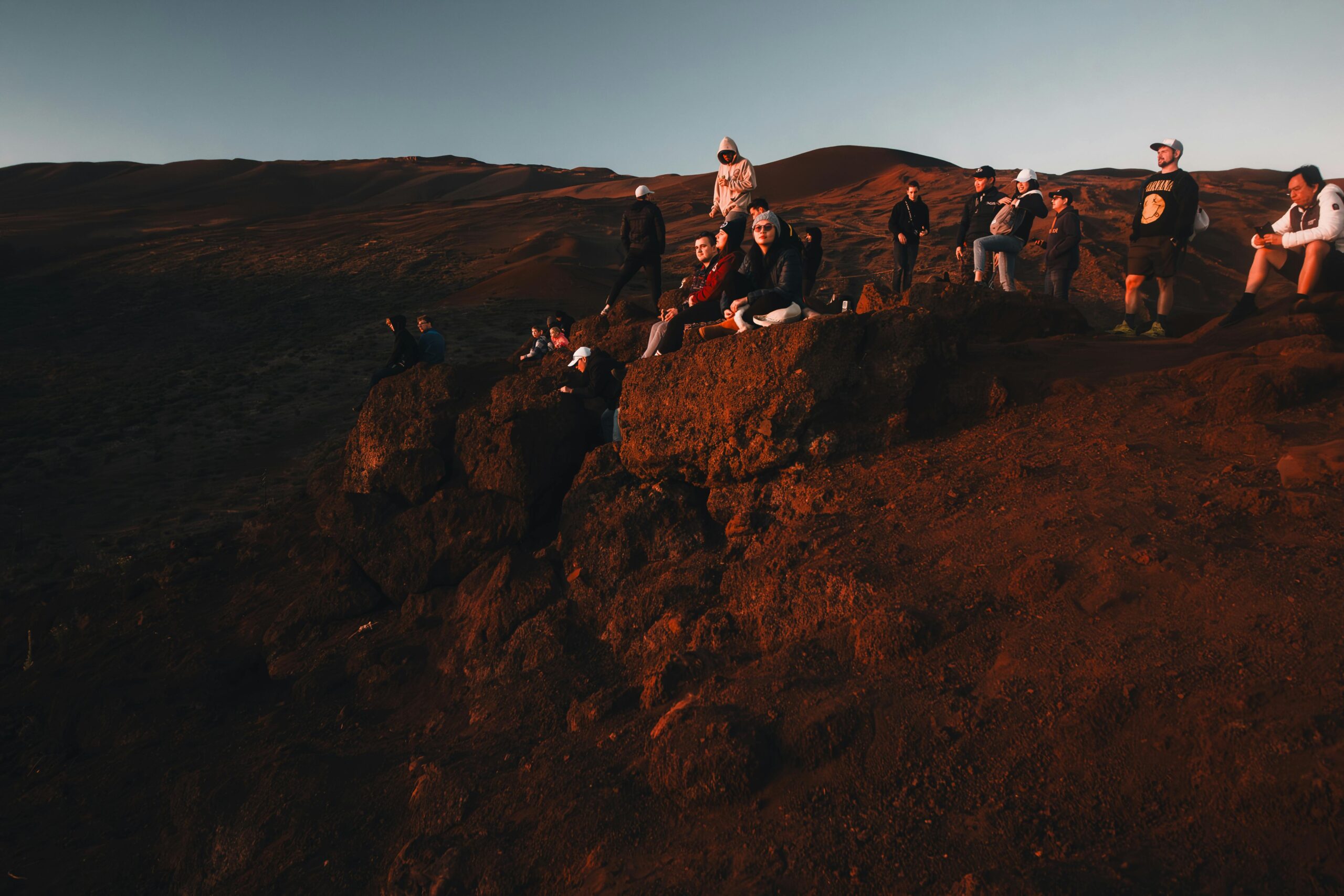
Where Your Journey Begins 🌟
The invitation to embrace journey spaces and discover their magic isn’t about radical life restructuring or extensive resources. It’s about perspective shift—choosing to value the getting there alongside the being there, cultivating presence during transitions, and remaining open to whatever unfolds along the way.
Your next opportunity to practice this philosophy might be tomorrow’s commute, this weekend’s errands, or next month’s vacation. Whatever the scale, the practice remains the same: slow down, pay attention, stay curious, and trust that the spaces between destinations hold treasures worth discovering.
The world is vast and beautiful not just at famous destinations but everywhere in between. Countless stories, landscapes, flavors, and encounters await those willing to embrace the journey. Your adventure begins not when you arrive but the moment you set out. The magic lives in the spaces between, and it’s been waiting for you all along.
