
Anúncios
We pass through them every day without a second thought, yet these transitional spaces hold an understated elegance that deserves our attention and appreciation.
Architecture has long celebrated monuments, grand facades, and destination spaces—museums, concert halls, towering skyscrapers. But what about the corridors connecting these destinations? What about the lobbies, stairwells, bridges, and passageways that exist solely to move us from one place to another? These liminal zones, designed purely for transition, possess a hidden beauty that remains largely unexplored in our collective consciousness.
Anúncios
🚶 The Philosophy of In-Between Spaces
Transitional architecture challenges our understanding of place and purpose. Unlike rooms designed for dwelling or working, these spaces exist in a state of perpetual motion. They are defined not by what happens within them, but by what lies beyond them. This paradoxical nature—being both essential and invisible—makes them fascinating subjects for architectural and cultural examination.
The Japanese concept of “ma” offers insight into this phenomenon. Ma refers to the pause, the gap, the interval between things. It acknowledges that the space between objects and events holds as much significance as the objects and events themselves. Western architecture is increasingly embracing this philosophy, recognizing that transition zones shape our emotional and psychological experience of built environments.
Anúncios
The Emotional Journey Through Space
When we enter a hallway, climb a staircase, or cross a bridge, we undergo subtle psychological shifts. These moments of transition prepare us mentally for what comes next. A dim corridor leading to a bright gallery creates anticipation. A winding staircase builds suspense before revelation. Designers who understand this emotional choreography transform mundane passages into memorable experiences.
Consider the power of a well-designed hotel lobby. It’s neither home nor destination—it’s pure transition. Yet the best hotel lobbies become destinations themselves, spaces where people linger despite having no functional reason to stay. This transformation from utility to experience represents the highest achievement of transitional design.
✨ Architectural Elements That Define Transitional Beauty
The aesthetics of in-between spaces rely on distinct architectural elements that distinguish them from static, destination-oriented rooms. Understanding these components helps us appreciate the intentionality behind seemingly simple passages.
Light and Shadow Play
Transitional spaces offer unique opportunities for dramatic lighting. Since people move through rather than inhabit these areas, designers can experiment with contrast and intensity in ways that would be uncomfortable in living or working spaces. The interplay of natural and artificial light creates rhythm—bright zones alternate with shadows, guiding movement while creating visual interest.
Skylights in corridors, for example, transform potentially oppressive tunnels into light-filled galleries. The changing position of the sun throughout the day means these spaces never look the same twice, adding temporal dimension to spatial experience.
Materials and Textures
The surfaces we encounter during transition shape our perception profoundly. Smooth marble floors suggest formality and elegance. Rough concrete evokes industrial authenticity. Wood brings warmth to otherwise cold passages. Strategic material choices communicate purpose and set emotional tone before we reach our destination.
In high-traffic transitional spaces, durability matters as much as aesthetics. The patina that develops on bronze handrails, the polish that emerges on stone steps worn by thousands of footsteps—these signs of use become part of the space’s narrative, connecting present users to all who came before.
🏛️ Historic Examples of Transitional Masterpieces
Throughout architectural history, certain transitional spaces have achieved iconic status, proving that passages can be as memorable as destinations.
The Grand Staircases
Consider the Opéra Garnier in Paris. While the auditorium dazzles, many argue the grand staircase represents the building’s true masterpiece. This elaborate transition space was designed not merely to move audiences between floors but to allow them to see and be seen. The staircase became a stage itself, where Paris society performed its rituals of status and spectacle.
Similarly, the Spanish Steps in Rome transform the simple act of climbing from one level to another into an urban experience celebrated worldwide. What could have been a functional stairway became a gathering place, a viewing platform, and a symbol of the city itself.
Railway Stations as Transitional Cathedrals
The great railway stations of the 19th and early 20th centuries elevated transition to an art form. Grand Central Terminal in New York doesn’t just move people—it inspires them. The main concourse, with its celestial ceiling and dramatic light beams, transforms the mundane act of catching a train into something approaching the spiritual.
These stations understood that transition deserves dignity and beauty. They refused to treat passengers as mere cargo to be efficiently processed, instead honoring the significance of departure and arrival, of leaving and returning, of journey itself.
🌉 Modern Interpretations of Transitional Design
Contemporary architects continue exploring how transitional spaces can enhance human experience while meeting the practical demands of modern life.
The High Line: Transition as Destination
New York’s High Line exemplifies how a purely transitional space—an abandoned elevated railway—can be reimagined as something extraordinary. The linear park neither starts nor ends anywhere particularly significant, yet millions visit annually. The journey along it becomes the point, proving that well-designed transitional experiences can rival traditional destinations in appeal.
The High Line’s designers embraced its in-between nature rather than fighting it. They created a space that’s simultaneously path and place, movement and stillness, transition and arrival.
Airport Terminals and the Art of Waiting
Modern airport design increasingly recognizes that terminals are fundamentally transitional spaces where people spend significant time. The best contemporary airports—Singapore’s Changi, Doha’s Hamad, Munich’s Franz Josef Strauss—don’t just facilitate travel; they make transition pleasurable.
These spaces incorporate natural elements, art installations, comfortable seating, and intuitive wayfinding. They acknowledge that being in-between—neither here nor there—can be anxiety-inducing, and they design specifically to counter that anxiety with beauty, comfort, and clarity.
🎨 The Aesthetics of Movement
Transitional spaces must account for human movement in ways that static spaces don’t. This requirement generates unique design challenges and opportunities.
Sightlines and Wayfinding
A successful transitional space guides without commanding. Subtle cues—a change in floor material, a shaft of light, a carefully positioned artwork—suggest direction without aggressive signage. The best corridors and passages make navigation feel intuitive, as if the space itself is gently shepherding you forward.
Frank Lloyd Wright’s Guggenheim Museum in New York features perhaps the most famous transitional space in modern architecture: the spiraling ramp. Rather than discrete galleries connected by corridors, Wright created one continuous transition. The journey through the museum becomes inseparable from the art-viewing experience.
Rhythm and Pacing
Like music, effective transitional design creates rhythm. Repeating elements—columns, windows, arches—establish a beat that structures the experience of movement. Variations in this rhythm create emphasis and interest. A wider corridor section might slow movement, inviting pause. A narrowing passage accelerates flow, building energy toward what lies ahead.
This rhythmic quality explains why some hallways feel oppressive while others feel elegant, even when their dimensions are similar. The pattern of architectural elements creates psychological effects that go far beyond simple functionality.
🏠 Transitional Spaces in Residential Design
While grand public spaces grab attention, domestic transitional zones profoundly affect daily life. The hallway from bedroom to kitchen, the staircase between floors, the entryway between outside and inside—these passages shape our home experience more than we typically recognize.
The Entryway as Psychological Threshold
The entrance to a home serves critical psychological functions. It’s where we transition from public to private self, from work mode to home mode. Effective entryway design provides space for this mental shift—hooks for coats, benches for shoes, surfaces for keys and bags. These practical elements facilitate the ritual of arrival and departure.
But the best entryways do more than organize belongings. They set the tone for the entire home. Whether minimalist or ornate, formal or casual, the entry corridor communicates what kind of space lies beyond and how inhabitants relate to it.
Hallways as Galleries
Residential corridors, often dismissed as wasted square footage, can become personal galleries. Family photographs, artwork, collections—these transform purely functional passages into storytelling spaces that chronicle lives and relationships. The narrow, linear format suits certain types of display better than larger rooms.
Smart lighting can elevate this approach, with focused fixtures highlighting specific items while maintaining overall ambient light for safe passage. The result transforms a potential dead zone into an active, meaningful component of home life.
📱 Digital Tools for Appreciating Transitional Spaces
Technology offers new ways to document, analyze, and appreciate transitional architecture. Photography apps help capture the unique qualities of these spaces, which can be challenging to photograph due to narrow dimensions and lighting extremes.
Augmented reality applications allow architects and designers to visualize transitional spaces before construction, walking through virtual corridors and staircases to test sightlines, proportions, and emotional impact. These tools democratize design appreciation, letting anyone explore famous transitional spaces worldwide from their devices.
🌍 Cultural Variations in Transitional Design
Different cultures approach in-between spaces with varying priorities and aesthetics, reflecting deeper values about movement, privacy, and social interaction.
Eastern Approaches: Transition as Meditation
Traditional Japanese architecture treats transition as opportunity for mindfulness. The engawa—a wooden walkway between interior and exterior—serves as both passage and pause point. It’s neither fully inside nor outside, creating a liminal zone that encourages contemplation of boundaries and thresholds.
Chinese classical gardens employ winding pathways and moon gates specifically to slow movement and fragment views. Rather than revealing everything at once, these transitional elements create a sense of discovery, with new vistas appearing around each turn. The journey matters as much as any destination.
Western Perspectives: Efficiency and Expression
Western transitional design historically emphasized either efficiency (moving people quickly) or expression (displaying wealth and power). Modern approaches increasingly balance these extremes, seeking efficiency that doesn’t sacrifice human experience.
Scandinavian design, for instance, brings characteristic minimalism to transitional spaces—clean lines, natural materials, abundant light. These passages feel calm rather than stark, proving that simplicity can create warmth when executed thoughtfully.
🔮 The Future of In-Between Spaces
As work patterns shift and urban density increases, transitional spaces face new demands. Remote work reduces daily commuting, changing how we value and design passages. Simultaneously, urban living requires more efficient use of every square meter, including corridors and hallways.
Adaptive and Multi-Functional Transitions
Future transitional spaces may serve multiple purposes. A hallway might transform from passage to workspace to exercise area throughout the day. Furniture, lighting, and acoustic properties could adapt to different uses while maintaining the primary function of movement.
Smart materials and responsive systems will enable this flexibility. Walls might change opacity for privacy. Lighting could shift color temperature based on time and use. These innovations will make transitional spaces more valuable without sacrificing their essential character.
Sustainability in Transitional Design
Environmental consciousness demands that every aspect of buildings justify their resource use. Transitional spaces face particular scrutiny—why heat, cool, and light areas people only pass through? Innovative solutions include natural ventilation strategies, daylight optimization, and materials with low embodied energy.
Some designers argue that beautiful transitional spaces actually increase sustainability by making buildings more pleasant to inhabit, reducing the urge to leave for elsewhere. A lovely corridor might inspire an afternoon walk through the building rather than a car trip to a shopping mall.
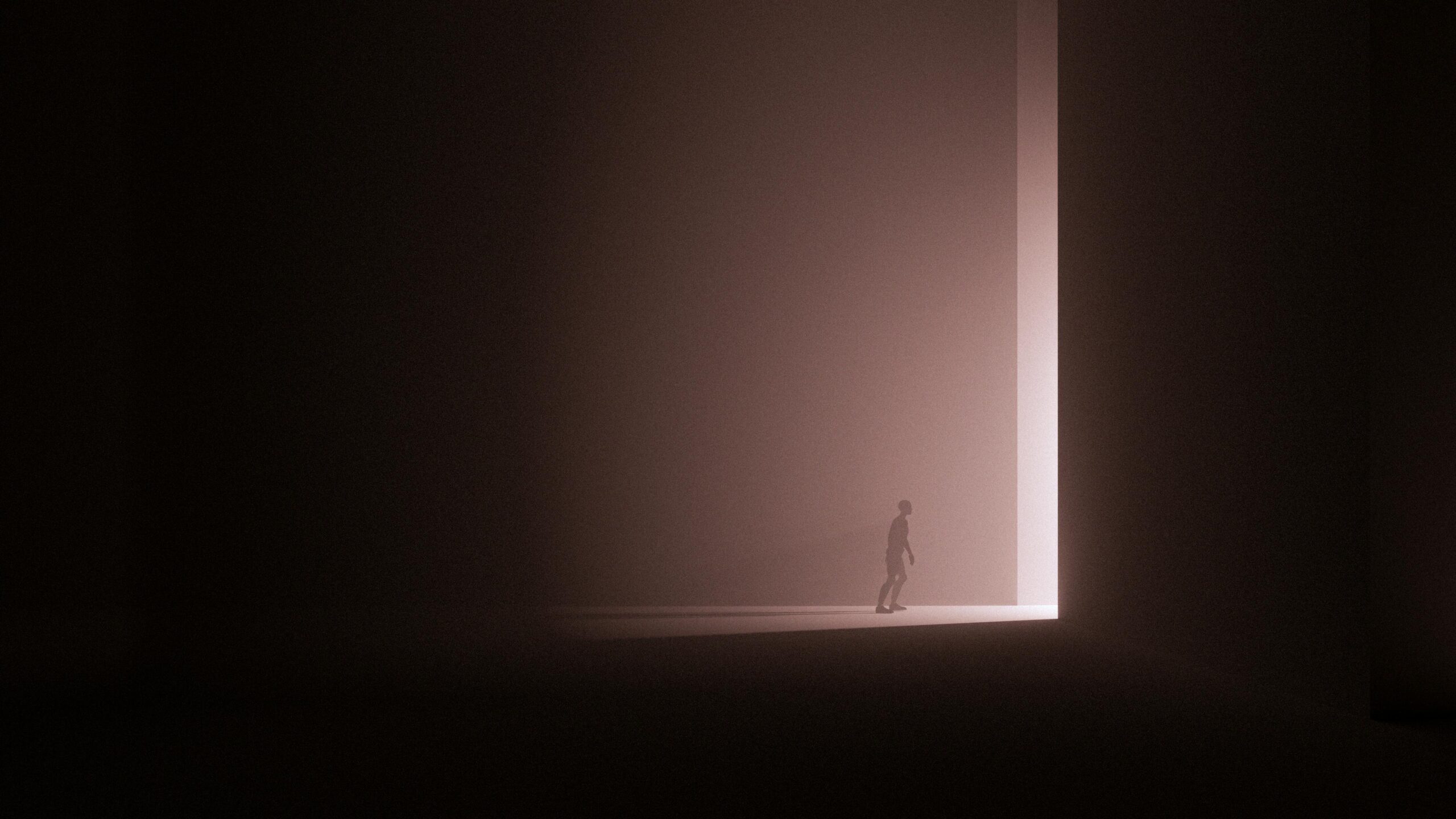
💭 Finding Poetry in Passage
Ultimately, the hidden beauty of transitional spaces lies in their honesty. They don’t pretend to be more than they are. A hallway knows it’s a hallway. A staircase embraces being a staircase. This authenticity, when combined with thoughtful design, creates spaces that resonate with human experience.
We spend significant portions of our lives in transition—between home and work, between tasks, between identities and roles. Spaces designed for pure transition acknowledge this reality. They honor the in-between moments that stitch together the supposedly important parts of life.
Perhaps these spaces matter precisely because they serve no single grand purpose. They exist to help us move, to shift contexts, to mark change. In a world obsessed with destinations and achievements, transitional spaces remind us that the journey has its own value, its own beauty, its own essential place in human experience.
The next time you walk down a hallway, climb a staircase, or cross a bridge, pause for a moment. Notice the light, the materials, the proportions. Feel how the space shapes your movement and mood. You might discover that what seemed like empty passage actually holds unexpected richness—the hidden beauty of spaces designed for pure transition, waiting to be unveiled by anyone willing to look. ✨
