
Anúncios
Waiting rooms have evolved from sterile, uncomfortable spaces into dynamic environments that prioritize human experience, comfort, and even enjoyment. This transformation marks a revolution in design thinking.
🎨 The Psychology Behind Waiting Room Design
Understanding human psychology is fundamental to creating waiting spaces that truly transform the experience. Traditional waiting rooms often amplify anxiety through clinical aesthetics, uncomfortable seating, and a complete lack of engagement. Modern design approaches recognize that waiting time doesn’t have to feel wasted or stressful.
Anúncios
Research consistently shows that perceived wait time differs dramatically from actual wait time. When people are engaged, entertained, or comfortable, they consistently underestimate how long they’ve been waiting. This psychological principle drives innovative waiting room design, creating spaces that distract, comfort, and even delight visitors during their unavoidable pause.
Color psychology plays a tremendous role in setting the emotional tone of waiting spaces. Soft blues and greens promote calmness and reduce blood pressure, making them ideal for medical waiting rooms. Warmer tones like terracotta and amber create welcoming, energizing atmospheres perfect for creative agencies or hospitality venues. Lighting design complements color choices, with natural light exposure reducing stress hormones and improving overall mood.
Anúncios
Sensory Considerations for Holistic Comfort
Modern waiting room design extends beyond visual aesthetics to engage multiple senses. Acoustic design minimizes jarring sounds while introducing pleasant ambient noise or carefully curated music. Temperature control maintains consistent comfort levels, while air quality systems ensure freshness. Some cutting-edge designs even incorporate subtle aromatherapy, using scent psychology to create subconscious feelings of relaxation or invigoration.
🪑 Furniture Innovation: Comfort Meets Functionality
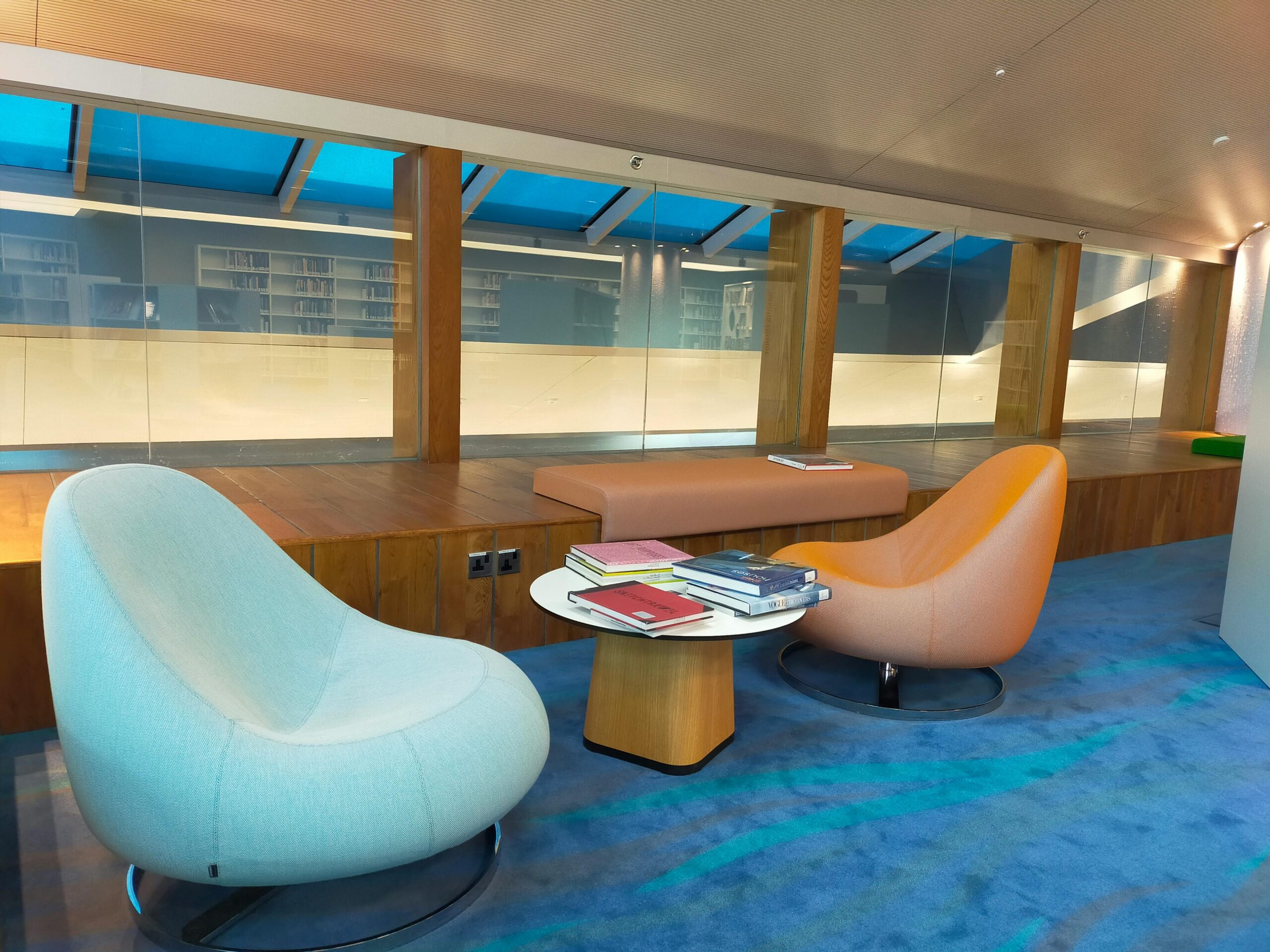
The era of rigid plastic chairs bolted to floors has thankfully passed. Contemporary waiting room furniture balances aesthetic appeal with ergonomic science, recognizing that physical comfort directly impacts the waiting experience. Modular seating systems offer flexibility, allowing spaces to adapt to varying crowd sizes and social dynamics.
Privacy has become a priority in furniture design. High-backed chairs, semi-enclosed pods, and strategically placed dividers give individuals personal space even in crowded environments. This consideration proves especially valuable in healthcare settings where privacy concerns are paramount, but benefits any waiting environment where people value personal boundaries.
Integrated technology transforms static furniture into interactive experiences. Charging stations built into armrests, adjustable reading lights, and even personal climate controls give waiting individuals agency over their environment. Some innovative designs include touch-screen tables offering entertainment, information, or productivity tools, turning passive waiting into active engagement.
Sustainable and Health-Conscious Materials
Material selection now prioritizes sustainability and health. Natural materials like wood, bamboo, and organic fabrics create warmth while minimizing environmental impact. Antimicrobial surfaces and easy-to-clean materials address heightened hygiene awareness. These choices demonstrate organizational values while contributing to visitor wellbeing through reduced exposure to harmful chemicals and improved air quality.
✨ Technology Integration That Enhances Rather Than Distracts
Technology integration represents one of the most significant shifts in waiting room design. However, successful implementation requires thoughtful balance—technology should enhance the experience without overwhelming or isolating visitors. Digital displays can provide valuable information, entertainment, and wayfinding assistance when designed with user experience as the priority.
Interactive kiosks streamline administrative processes, reducing perceived wait times by allowing people to complete forms, check in, or access information independently. When these systems are intuitive and responsive, they empower visitors while reducing staff workload. Poor implementation, however, creates frustration, so user testing and continuous refinement are essential.
Virtual queuing systems represent a revolutionary approach to waiting entirely. Instead of sitting in a physical space, visitors receive notifications on their devices, allowing them to wait wherever they choose—grabbing coffee, running errands, or simply relaxing in a preferred environment. This flexibility fundamentally reimagines what waiting means, though it requires robust technical infrastructure and clear communication systems.
Entertainment and Information Balance
Content displayed in waiting areas requires careful curation. News channels can increase anxiety through negative content, while mindless programming fails to engage. Successful spaces offer variety—nature documentaries, art exhibitions, educational content, and local community information. Some venues partner with local artists to display rotating exhibitions, transforming waiting rooms into gallery spaces that benefit both visitors and creative communities.
🌿 Biophilic Design: Bringing Nature Indoors
Biophilic design principles recognize humanity’s innate connection to nature and intentionally incorporate natural elements into built environments. This approach proves particularly powerful in waiting rooms, where stress reduction and wellbeing are priorities. Living plant walls, indoor gardens, and aquariums create focal points that calm nerves and provide pleasant distraction.
Natural light maximization remains the cornerstone of biophilic design. Skylights, large windows, and strategically placed mirrors distribute daylight throughout spaces, reducing dependence on artificial lighting while providing psychological benefits. When natural light is insufficient, circadian lighting systems mimic natural light patterns, supporting human biological rhythms and improving alertness and mood.
Water features introduce soothing sounds while improving humidity levels. The gentle sound of flowing water masks disruptive noise while triggering relaxation responses. From small tabletop fountains to dramatic wall installations, water elements can scale to any space size while delivering consistent benefits.
Accessibility Through Natural Design
Biophilic elements improve accessibility by creating intuitive wayfinding. Natural light draws people toward destinations, while green walls serve as memorable landmarks. These organic navigation aids reduce confusion and anxiety, particularly benefiting visitors with cognitive differences or those unfamiliar with the space.
🏥 Industry-Specific Design Approaches
While universal design principles apply across contexts, different industries require tailored approaches to waiting room design. Healthcare environments prioritize hygiene, privacy, and anxiety reduction. Pediatric waiting areas incorporate play spaces that normalize medical environments for children while giving parents peace of mind. Geriatric-focused designs emphasize clear signage, comfortable seating with appropriate heights, and reduced sensory overwhelm.
Corporate waiting areas project brand identity while demonstrating respect for visitors’ time. High-end firms might showcase portfolio work or company history, transforming waiting into brand education. Service-oriented businesses benefit from transparent processes—windows into work areas demystify services and build trust while providing interesting focal points.
Hospitality and retail environments turn waiting into opportunity. Hotel lobbies have long understood that comfortable waiting areas encourage lingering, increasing bar and restaurant revenue. Retail stores create “waiting lounges” for shopping companions, improving overall shopping experience satisfaction and extending visit duration.
Transportation Hubs: Waiting on a Massive Scale
Airports, train stations, and bus terminals face unique challenges—high volume, diverse populations, varying wait durations, and security requirements. Successful designs create zones for different needs: quiet areas for work or rest, family zones with play spaces, and social areas encouraging interaction. Clear wayfinding proves critical, as does robust seating variety accommodating different body types, abilities, and preferences.
🎯 Flexible Spaces for Changing Needs
The pandemic fundamentally changed how we think about public spaces, and waiting rooms are no exception. Flexibility now represents a core design requirement rather than an optional feature. Modular furniture, movable partitions, and adaptable layouts allow spaces to reconfigure based on current needs—social distancing one day, maximized capacity another.
Multi-purpose design extends space utility beyond simple waiting. Conference corners support business travelers, quiet nooks accommodate remote workers, and collaborative areas facilitate group conversations. This functional diversity increases space value while acknowledging that “waiting” encompasses diverse activities in contemporary life.
Outdoor integration expands functional space while addressing ventilation concerns. Covered patios, rooftop terraces, and courtyard gardens provide alternative waiting environments with natural airflow and psychological benefits. These spaces prove particularly valuable in pleasant climates and during seasons when outdoor comfort is feasible.
👥 Community Building Through Shared Spaces
Progressive waiting room design recognizes potential for community building. Rather than isolating individuals, thoughtful design can encourage positive social interaction while respecting those who prefer solitude. Community boards highlighting local events, art installations by neighborhood creators, and comfortable seating arrangements that facilitate conversation all contribute to social connection.
Some innovative spaces incorporate libraries with book exchanges, board games, or puzzles that encourage interaction. Coffee stations or small cafes create gathering points where casual conversations naturally occur. These amenities transform waiting from a solitary endurance test into an opportunity for pleasant human connection.
Inclusive design ensures all community members feel welcome. Multilingual signage, diverse representation in artwork and media, accessible features exceeding minimum requirements, and gender-neutral facilities all communicate that everyone belongs in the space. This inclusivity isn’t merely ethical—it’s good business, as welcoming environments encourage return visits and positive word-of-mouth.
📊 Measuring Success: Data-Driven Design Refinement
Effective waiting room design requires ongoing assessment and refinement. Occupancy sensors track space usage patterns, revealing which areas attract visitors and which remain underutilized. This data informs future modifications, ensuring investments target actual needs rather than assumptions.
Direct feedback mechanisms provide invaluable qualitative data. Simple surveys, suggestion boxes, or digital feedback stations give visitors voice in shaping their experience. Organizations that actively respond to this feedback demonstrate respect for visitor input while continuously improving their spaces.
Comparing perceived versus actual wait times offers powerful insights into design effectiveness. When visitors consistently underestimate their wait time, the design successfully engages and comforts. Widening gaps between perception and reality signal opportunities for improvement.
Key Performance Indicators
- Average perceived wait time versus actual wait time
- Visitor satisfaction scores specifically regarding waiting experience
- Space utilization rates across different zones
- Stress reduction indicators (where measurable, such as healthcare settings)
- Return visitor rates and referral statistics
- Staff feedback regarding visitor demeanor and interactions
💡 Budget-Conscious Innovation
Transformative waiting room design doesn’t require unlimited budgets. Strategic, phased improvements deliver significant impact while respecting financial constraints. Prioritizing changes with highest impact-to-cost ratios ensures efficient resource allocation.
Paint represents one of the most cost-effective transformations. Fresh, psychologically informed color choices dramatically alter space perception. Paired with deep cleaning and decluttering, paint alone can rejuvenate tired spaces. Adding plants costs relatively little while delivering substantial biophilic benefits—even artificial plants provide visual softness when quality options are selected.
Furniture doesn’t require complete replacement. Reupholstering existing pieces in fresh fabrics, adding cushions for comfort, or simply rearranging layouts can significantly improve functionality and aesthetics. Secondhand marketplaces and office liquidation sales offer quality pieces at fraction of retail costs. Mixed furniture styles, when thoughtfully curated, create interesting, collected aesthetics rather than appearing mismatched.
DIY and Community Partnership Opportunities
Local art schools and students often seek exhibition opportunities, providing rotating artwork at no cost while supporting emerging artists. Community volunteers might donate time for painting murals or building features like bookshelves. These partnerships stretch budgets while strengthening community connections and creating unique, locally-flavored spaces that corporate solutions can’t replicate.
🚀 Future Trends Shaping Waiting Experiences
Emerging technologies promise to further revolutionize waiting experiences. Augmented reality applications could overlay entertainment, information, or wayfinding assistance onto physical spaces through smartphone cameras or specialized glasses. Virtual reality stations might transport waiting individuals to calming environments or engaging experiences, making physical wait time psychologically disappear.
Artificial intelligence and machine learning will enable increasingly personalized experiences. Systems might recognize returning visitors, remembering preferences for seating location, temperature, or entertainment options. Predictive analytics could anticipate crowding patterns, proactively adjusting resources and communicating with visitors about optimal arrival times.
Wellness integration will likely expand beyond current implementations. Meditation spaces, yoga rooms, and fitness equipment acknowledge that productive waiting might include physical activity or mindfulness practice. Health monitoring stations could offer blood pressure checks or other screening services, transforming waiting time into proactive health management.
🌟 Creating Memorable Rather Than Merely Tolerable Experiences
The ultimate goal of innovative waiting room design transcends simply making waiting bearable—it aims to create genuinely positive, even memorable experiences. When organizations invest in truly transformative waiting spaces, they communicate profound respect for visitors’ time and comfort. This respect generates goodwill, loyalty, and positive reputation that extends far beyond the waiting room itself.
Signature elements create memorable distinctiveness. A stunning art installation, an unexpected amenity, or a particularly clever design solution becomes a talking point—something visitors photograph, share on social media, and mention in conversations. This organic marketing delivers value far exceeding implementation costs while differentiating the organization from competitors.
Story-driven design creates emotional resonance. Spaces that tell the organization’s history, celebrate community connections, or align with meaningful values forge deeper relationships with visitors. When waiting rooms reflect authentic organizational character rather than generic corporate aesthetics, they become genuine extensions of brand identity.
🔄 Continuous Evolution as Standard Practice
Perhaps the most important insight about waiting room design is that it should never be considered “finished.” Needs evolve, technologies advance, and visitor expectations continuously rise. Organizations committed to excellent waiting experiences embrace ongoing refinement as standard practice rather than occasional renovation.
Regular assessment schedules—quarterly reviews of feedback data, annual space audits, and periodic design refreshes—maintain relevance and quality. Small, continuous improvements often deliver better results than infrequent major overhauls, spreading costs over time while maintaining freshness.
Cross-industry inspiration prevents stagnation. Healthcare facilities can learn from hospitality design, corporate offices can adopt retail strategies, and every sector can draw from successful public space innovations. This intellectual curiosity and willingness to adapt ideas across contexts fuels ongoing innovation.
The transformation of waiting rooms from necessary evils into genuinely inviting spaces represents broader shifts in how we value human experience within built environments. As organizations increasingly recognize that every touchpoint shapes relationships and reputation, waiting room design receives the attention and investment it deserves. The result benefits everyone—visitors enjoy better experiences, staff work in more pleasant environments, and organizations see measurable returns through increased satisfaction, loyalty, and positive reputation. Waiting time, once simply endured, becomes an opportunity to demonstrate care, creativity, and commitment to human wellbeing.
