
Anúncios
Abandoned places hold secrets written in dust and decay, silent monuments to dreams once pursued and lives once lived, now surrendered to time’s relentless passage.
🏚️ The Poetry Hidden in Abandoned Architecture
There’s something profoundly moving about standing in a space that once thrived with purpose but now exists only as an echo. Lost spaces—buildings, towns, infrastructure projects left incomplete or forsaken—speak a language that transcends their original function. They become archaeological sites of recent history, frozen moments where economic shifts, technological advancement, or social change rendered them obsolete.
Anúncios
These forgotten places exist everywhere. From grand shopping malls built during economic booms to rural schoolhouses abandoned when communities dispersed, from amusement parks closed after a single tragic season to entire towns evacuated due to environmental disasters. Each carries layers of stories: the architects who designed them with vision, the workers who built them with sweat, the people who filled them with life, and ultimately, those who walked away.
What makes abandoned spaces particularly fascinating is their liminal quality. They exist between purposeful existence and complete disappearance, neither fully present nor entirely gone. This in-between state creates a unique atmosphere that urban explorers, photographers, historians, and artists find irresistible.
Anúncios
Why Places Lose Their Purpose: The Economics of Abandonment
Understanding why spaces become abandoned requires examining the economic, social, and environmental forces that shape our built environment. Economic downturns often leave half-finished construction projects as monuments to overambitious expansion. The 2008 financial crisis littered landscapes worldwide with skeleton frameworks of would-be condominiums and shopping centers.
Technological obsolescence plays an equally significant role. Factories designed for manufacturing processes now automated or outsourced stand empty. Railway stations bypassed by newer routes become silent. Even relatively recent infrastructure like video rental stores have been rendered purposeless by streaming technology within a single generation.
Environmental factors contribute dramatically to abandonment. Cities like Pripyat near Chernobyl or towns surrounding Fukushima were evacuated overnight, leaving behind complete snapshots of daily life interrupted. Natural disasters, coastal erosion, and desertification force communities to relocate, leaving their physical spaces behind.
The Lifecycle of Purpose and Abandonment
Most abandoned spaces follow a predictable trajectory. First comes the golden age—maximum utilization, vibrant activity, fulfillment of intended purpose. Then decline begins, often gradually. Maintenance decreases, visitors thin, renovations cease. Finally comes abandonment, either sudden or creeping, when maintaining the space no longer justifies the cost.
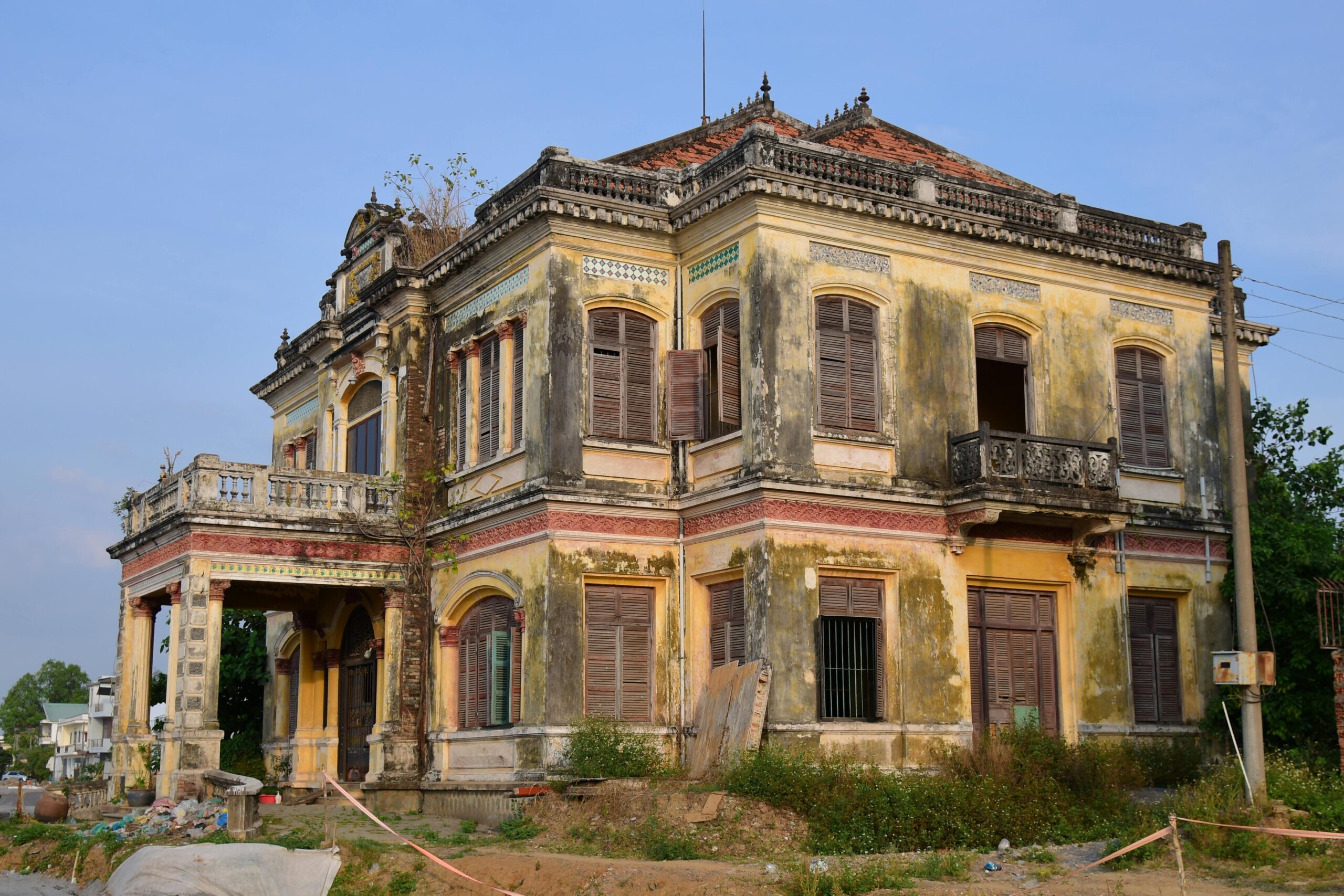
After abandonment, nature begins reclamation. Vegetation pushes through concrete, water infiltrates structures, wildlife establishes territory. Meanwhile, human interaction shifts from sanctioned use to unauthorized exploration, vandalism, or artistic intervention. The space acquires new, unintended purposes.
🌿 Nature’s Reclamation: When Wilderness Returns
One of the most visually striking aspects of abandoned spaces is how quickly nature reasserts dominance over human construction. Trees sprout from rooftops, vines envelope walls, and moss carpets floors once polished to shine. This biological takeover demonstrates both nature’s resilience and architecture’s fragility when maintenance ceases.
Ecologists find abandoned sites fascinating as laboratories for studying succession—the process by which ecosystems develop. A vacant lot in Detroit follows similar ecological patterns to a forest clearing, progressing through pioneer species to eventually established ecosystems. Within decades, substantial woodlands can develop where parking lots once stood.
Some abandoned spaces become accidental wildlife refuges. The Korean Demilitarized Zone, abandoned by human habitation due to political conflict, has become one of Asia’s most important preserves for endangered species. Former industrial sites along rivers sometimes evolve into crucial wetland habitats as drainage systems fail and water reclaims its historical floodplains.
The Human Stories Embedded in Lost Architecture
Beyond the physical structures, abandoned places preserve human stories in unexpected ways. Personal belongings left behind—a child’s toy in a hastily evacuated home, employee lockers still bearing names, patient records in shuttered hospitals—provide intimate glimpses into interrupted lives.
Graffiti and urban art transform many abandoned spaces into unauthorized galleries. While some dismiss this as vandalism, much of it represents genuine artistic expression and social commentary. Abandoned buildings become canvases where marginalized voices can speak without permission or censorship, creating dialogues about urban decay, social inequality, and cultural identity.
Community memory attaches to these spaces in powerful ways. For people who worked in an abandoned factory for decades, it remains a site of identity and pride despite its current state. For children who attended a now-closed school, visiting the abandoned building can trigger intense nostalgia and reflection on time’s passage.
Photographing the Forgotten 📸
Urban exploration photography has emerged as a distinct genre, documenting abandoned spaces before they’re demolished or deteriorate beyond recognition. These photographers serve as archivists, preserving visual records of places society has discarded but which still hold aesthetic, historical, and cultural value.
The aesthetic appeal of abandonment—what’s been termed “ruin porn” by critics—raises ethical questions. Does photographing decay for artistic purposes exploit communities experiencing economic hardship? Or does it draw necessary attention to urban neglect and preservation needs? These debates continue among photographers, ethicists, and affected communities.
Famous Lost Spaces Around the World
Certain abandoned sites have achieved iconic status, attracting visitors despite access restrictions and safety concerns. Pripyat, Ukraine, abandoned after the Chernobyl disaster, has become perhaps the world’s most famous ghost city. Its frozen Soviet-era architecture and eerie amusement park create a powerful testament to technological catastrophe.
Hashima Island in Japan, known as “Battleship Island,” thrived as a coal mining facility until the 1970s. Its concrete apartment blocks housed thousands in what was once the world’s most densely populated area. Now empty, it appears in films and attracts tourists fascinated by its dystopian appearance.
Closer to many readers, Detroit’s abandoned buildings represent post-industrial urban decline. Once-grand theaters, schools, and factories stand empty, symbols of manufacturing’s retreat from American cities. Some view these as tragic losses; others see opportunities for reimagination and creative reuse.
Comparing Abandonment Across Contexts
| Type of Space | Common Causes | Typical Timeframe | Reclamation Potential |
|---|---|---|---|
| Industrial Facilities | Economic shifts, automation | 10-30 years to full abandonment | High – often repurposed |
| Residential Communities | Environmental disasters, economic collapse | Rapid or gradual over decades | Low – safety concerns |
| Commercial Spaces | Market changes, competition | 5-15 years typical | Very high – prime real estate |
| Infrastructure | Technological obsolescence | Extended obsolescence period | Moderate – adaptive reuse |
The Dark Side: Risks and Dangers of Exploration
Urban exploration of abandoned spaces carries significant risks that shouldn’t be romanticized. Structural instability makes collapses real possibilities—floors weakened by water damage, roofs compromised by vegetation, staircases corroded beyond safety. Explorers have died or been seriously injured in abandoned buildings.
Environmental hazards compound physical dangers. Asbestos, lead paint, industrial chemicals, and biological contaminants like mold pose health risks. Former hospitals may contain medical waste, factories might leak toxic substances, and any standing water can harbor dangerous bacteria.
Legal consequences also await unauthorized explorers. Trespassing charges, fines, and even criminal records can result from entering private property without permission. Property owners face liability concerns, making them hostile toward explorers despite potentially sympathetic feelings about preservation.
Exploring Safely and Ethically
For those determined to visit abandoned spaces, certain principles minimize harm and risk:
- Never explore alone—groups provide safety and assistance during emergencies
- Research locations thoroughly beforehand, understanding structural conditions and hazards
- Wear appropriate protective equipment including sturdy boots, gloves, and respirators when needed
- Carry multiple light sources, first aid supplies, and charged communication devices
- Leave no trace—take only photographs, leave only footprints, disturb nothing
- Respect “No Trespassing” signs and seek legitimate access when possible
- Never vandalize or remove items, preserving sites for others and for historical value
🔄 Adaptive Reuse: Giving Lost Spaces New Life
The most hopeful stories about abandoned spaces involve transformation rather than continued decay. Adaptive reuse—repurposing existing structures for new functions—has become an important strategy in urban planning and historic preservation.
Former factories become trendy loft apartments, combining industrial aesthetics with modern living. Abandoned churches transform into community centers, restaurants, or even climbing gyms, their soaring architecture lending grandeur to new purposes. Railway stations become museums or markets, preserving heritage while serving contemporary needs.
These transformations often prove more sustainable than demolition and new construction, preserving embodied energy and materials while reducing waste. They also maintain cultural continuity, allowing communities to honor their past while adapting to present realities.
Success Stories of Transformation
The High Line in New York City exemplifies creative adaptive reuse. This elevated railway, abandoned after decades of declining freight use, was transformed into a linear park that has become one of the city’s most beloved public spaces. It preserved industrial heritage while creating green space and spurring neighborhood revitalization.
Tate Modern in London occupies the former Bankside Power Station, its massive turbine hall now displaying contemporary art. The industrial character wasn’t erased but celebrated, creating dialogue between industrial past and artistic present.
These successes inspire similar projects worldwide, demonstrating that abandonment needn’t be permanent and that creative vision can discover value where others see only obsolescence.
What Abandoned Spaces Teach Us About Impermanence
Perhaps the deepest value of abandoned spaces lies in their philosophical lessons. They confront us with impermanence, demonstrating that even structures built to last generations eventually serve their purpose and fade. This reality check balances our cultural tendency toward permanence and immortality.
Walking through abandoned spaces cultivates humility about human achievement. The rusting machinery, crumbling walls, and nature’s inexorable return remind us that our grandest constructions ultimately yield to time. This needn’t be depressing—instead, it can inspire appreciation for the present and realistic perspective about our place in longer temporal scales.
These spaces also prompt reflection on value and purpose. What makes a space valuable? Is it only economic productivity? What happens when original purpose disappears—does the space lose all meaning, or can new meanings emerge? Abandoned sites force us to grapple with these questions about utility, beauty, and preservation.
🎨 Artistic Inspiration in Decay
Artists have long found inspiration in ruins and abandonment. The Romantic movement of the 18th and 19th centuries celebrated picturesque ruins as meditation points on mortality and nature’s supremacy. Contemporary artists continue this tradition, finding in abandoned spaces both aesthetic material and conceptual provocation.
Installation artists sometimes use abandoned buildings as galleries, their work entering dialogue with the space’s history and current state. Performance artists stage events in these liminal spaces, their temporary presence contrasting with the permanence of abandonment. Writers and filmmakers use abandoned locations as settings that automatically convey atmosphere and meaning.
This artistic engagement serves preservation functions, drawing attention to spaces that might otherwise be ignored until demolition. It also democratizes art by moving it outside traditional gallery spaces into environments accessible to different audiences.
The Future of Our Lost Spaces
As economic structures shift, climate change accelerates, and technology advances, we’ll inevitably create more abandoned spaces. Entire categories of buildings—parking garages in an autonomous vehicle future, office buildings after remote work normalization, shopping malls displaced by e-commerce—may face obsolescence.
How we handle this coming wave of abandonment will define our urban landscapes. Will we demolish quickly, erasing physical memories? Will we abandon irresponsibly, creating safety hazards and environmental problems? Or will we develop sophisticated approaches to adaptive reuse, creative preservation, and dignified decommissioning?
Forward-thinking architects and planners now design buildings with flexibility in mind, anticipating that purposes may change within structures’ lifespans. This approach acknowledges impermanence while planning for adaptation rather than abandonment.
Preserving Memory While Accepting Change
The tension between preservation and progress defines much discussion about abandoned spaces. Preservationists argue that buildings connect us to history and identity, making their loss culturally impoverishing. Developmentalists counter that cities must evolve, and clinging to obsolete structures impedes necessary change.
Perhaps the answer lies not in choosing sides but in thoughtful case-by-case evaluation. Some abandoned spaces merit preservation for their historical, architectural, or cultural significance. Others serve communities better through demolition and replacement. Many fall somewhere between, candidates for creative transformation that honors their past while embracing new purposes.
Documentation becomes crucial regardless of outcome. Before any abandoned space disappears, its stories deserve recording—through photographs, oral histories, architectural surveys, and archives. These records ensure that even when physical structures vanish, the memories and lessons they contain persist.
Lost spaces ultimately mirror our own impermanence. They remind us that purposes evolve, that nothing lasts forever, and that endings make space for new beginnings. In their silence, abandonment, and decay, these forgotten places speak volumes about change, memory, and the perpetual cycle of creation and dissolution that defines human experience. Rather than simply mourning what’s lost, we can choose to learn from these spaces, finding in their abandonment both cautionary tales and unexpected opportunities for reimagination and renewal.
