
Anúncios
Liminal spaces have emerged as one of the internet’s most captivating phenomena, drawing millions into the unsettling beauty of empty hallways, abandoned malls, and eerily transitional environments.
🌀 The Essence of Liminality: What Makes These Spaces So Compelling
The term “liminal” originates from the Latin word “limen,” meaning threshold. In anthropology and psychology, liminal spaces represent transitional states—the in-between moments where one phase has ended, but another hasn’t quite begun. These are the waiting rooms of existence, both literal and metaphorical, where normal rules seem suspended and reality feels slightly off-kilter.
Anúncios
What makes these spaces psychologically fascinating is their inherent ambiguity. An empty airport terminal at 3 AM, a school hallway during summer vacation, or a hotel corridor with too-bright fluorescent lighting—these environments trigger something primal in our consciousness. They’re spaces designed for movement and activity, yet when encountered empty and silent, they become profoundly unsettling.
The human brain constantly seeks patterns and familiarity. When we encounter spaces that should be bustling with life but stand eerily vacant, our minds struggle to reconcile this contradiction. This cognitive dissonance creates the distinctive unease that liminal space enthusiasts find so addictive. It’s not quite fear, but rather a peculiar blend of nostalgia, discomfort, and fascination.
Anúncios
📸 The Visual Language of Liminal Photography
Liminal space imagery has developed its own distinct aesthetic language. These photographs typically feature specific characteristics that amplify their unsettling nature: harsh fluorescent lighting, yellowed by time or camera filters; empty corridors that seem to stretch endlessly; outdated architecture from the 1980s and 1990s; and an absence of human presence that suggests recent abandonment rather than long-term decay.
The color palette of classic liminal imagery tends toward the artificial and slightly sickly—beiges, yellows, institutional greens, and the cold blue-white of fluorescent bulbs. These colors evoke a specific era in commercial and institutional design, triggering collective memories of childhood visits to malls, schools, and other public spaces. The slightly degraded quality of many images, whether intentional or not, adds to their dreamlike, memory-tinged quality.
Composition plays a crucial role in effective liminal photography. Long hallways create vanishing points that draw the eye toward uncertain destinations. Symmetrical architecture emphasizes the artificial, constructed nature of these environments. Empty chairs and tables suggest recent human presence, heightening the sense that something has just happened—or is about to.
Common Visual Elements in Liminal Spaces
- Fluorescent or artificial lighting with a yellowish or greenish cast
- Empty hallways, corridors, or transitional areas
- Dated commercial architecture from the 1970s-1990s
- Carpet patterns typical of hotels, offices, or public buildings
- Swimming pools, particularly indoor ones, photographed empty
- Parking garages, stairwells, and other utilitarian spaces
- Abandoned shopping malls or retail environments
- Playgrounds or recreational areas devoid of people
🧠 The Psychology Behind the Fascination
Psychologists have identified several factors that explain our growing fascination with liminal spaces. The concept of “kenopsia”—the eerie atmosphere of places that are usually bustling but are now abandoned and quiet—captures much of the appeal. This sensation taps into deep-seated survival instincts; empty spaces that should be occupied trigger alertness, as our ancestors learned that unusual silence often preceded danger.
Nostalgia plays an equally powerful role. Many liminal images feature architectural and design elements from the recent past—specifically the 1980s through early 2000s. For millennials and Gen Z viewers, these environments evoke childhood memories filtered through the hazy, imperfect lens of recollection. The images feel simultaneously familiar and strange, like half-remembered dreams or locations from forgotten memories.
The phenomenon also connects to our relationship with memory itself. Neuroscience research shows that memories aren’t perfectly preserved recordings but rather reconstructions our brains assemble each time we recall them. Liminal spaces visually represent this quality of memory—recognizable yet distorted, familiar yet uncanny. They look like places we’ve been, even when we haven’t, because they resemble the degraded, atmospheric quality of our own recollections.
🌐 The Internet’s Role in Popularizing Liminal Aesthetics
While the concept of liminality has existed in academic discourse for decades, its explosion into popular culture is undeniably an internet phenomenon. Online communities dedicated to liminal spaces have grown exponentially, with subreddits like r/LiminalSpace boasting hundreds of thousands of members who share and discuss unsettling imagery.
Social media platforms, particularly TikTok and Instagram, have accelerated the spread of liminal aesthetics. Short videos featuring silent walks through empty spaces, often set to ambient or slightly unsettling music, regularly accumulate millions of views. The algorithm-driven nature of these platforms means that once users engage with liminal content, they’re fed increasingly specific variations, creating deeper engagement with the aesthetic.
The participatory nature of internet culture has transformed liminal spaces from a passive viewing experience into an active creative pursuit. Amateur photographers scout locations in their own communities, seeking that perfect combination of emptiness, lighting, and architectural design. Gamers identify liminal qualities in video game environments. Artists create original works that capture the liminal aesthetic without photographing real locations.
Digital Spaces and Virtual Liminality
Interestingly, digital environments themselves can possess liminal qualities. Abandoned multiplayer game servers, empty virtual reality social spaces, and glitchy areas in video games all evoke similar feelings of unease and fascination. Games like “The Stanley Parable” and “Antichamber” deliberately exploit liminal aesthetics to create disorienting, thought-provoking experiences.
The backrooms phenomenon represents perhaps the most significant evolution of liminal space culture. What began as a single creepy image of yellow-tinted office spaces has evolved into an entire collaborative fiction universe. The backrooms mythology imagines an infinite maze of empty rooms existing outside normal reality, where people can accidentally “noclip” out of existence and find themselves trapped in endless, monotonous corridors.
🎨 Liminal Spaces in Art and Culture
While internet culture has brought liminal aesthetics to mainstream attention, artists have explored these themes for decades. Edward Hopper’s paintings, with their isolated figures in impersonal urban spaces, captured liminal feelings long before the term became popular online. His work “Nighthawks” presents a diner as a liminal space—a temporary refuge suspended in the anonymous hours of night.
Contemporary artists have embraced liminal aesthetics more explicitly. Photographers like Todd Hido document suburban homes and landscapes that exist in transitional states—between day and night, between inhabited and abandoned, between memory and present reality. His work explores how places hold emotional residue and how empty spaces can feel paradoxically full of presence.
Film and television increasingly incorporate liminal aesthetics into their visual language. The empty hotel corridors of “The Shining” remain iconic examples of liminal horror. More recently, shows like “Severance” use sterile, maze-like office spaces to create psychological unease. The popularity of liminal imagery has influenced cinematographers and production designers across genres.
🏗️ Architectural Spaces That Embody Liminality
Certain architectural typologies naturally lend themselves to liminal qualities. Shopping malls, particularly those built in the 1980s and 1990s, feature prominently in liminal photography. These spaces were designed to feel timeless and comfortable, creating controlled environments that exist somewhat outside normal urban life. When empty or abandoned, this artificiality becomes uncanny rather than comforting.
Hotels and motels occupy an inherently liminal position—they’re temporary homes for people in transition. Hotel corridors, with their repetitive doors and anonymous design, become particularly unsettling when encountered empty. The standardization that provides comfort to travelers transforms into disorientation when the human element disappears.
Institutional spaces like schools, hospitals, and office buildings also feature heavily in liminal imagery. These environments are designed for function rather than comfort, creating somewhat impersonal atmospheres even when occupied. Empty, they become stages waiting for actors who may never arrive, frozen in anticipation of activity that feels perpetually imminent but never comes.
| Space Type | Liminal Qualities | Emotional Response |
|---|---|---|
| Shopping Malls | Artificial environments, controlled climate, timeless design | Nostalgia mixed with unease |
| Hotel Corridors | Repetitive design, transitional purpose, anonymous | Disorientation, isolation |
| Parking Garages | Utilitarian, echo-prone, liminal lighting | Vulnerability, exposure |
| School Hallways | Institutional design, memory-laden, community spaces | Nostalgia, eeriness when empty |
| Swimming Pools | Reflective surfaces, echo chambers, recreational emptiness | Stillness, suspended time |
🎮 Gaming and Interactive Liminal Experiences
Video games offer unique opportunities to explore liminal spaces interactively. The medium’s ability to place players in first-person perspective within these environments creates more immersive experiences than static photography can achieve. Walking simulators and exploration games have embraced liminal aesthetics, creating entire worlds built around this uncanny quality.
Games like “Anemoiapolis” specifically recreate the feeling of exploring abandoned shopping malls and office complexes. Players wander through meticulously crafted environments that capture the specific aesthetic of 1980s and 1990s commercial architecture. The absence of traditional gameplay objectives intensifies the liminal experience—there’s no goal except to exist within these spaces and absorb their atmosphere.
Even mainstream games occasionally feature liminal moments. The safe rooms in “Resident Evil” games function as liminal spaces—temporary refuges suspended outside the horror of the main gameplay. Loading screens and transitional areas in open-world games can possess liminal qualities, existing as neither fully part of the game world nor entirely separate from it.
🔮 The Future of Liminal Space Culture
As liminal aesthetics become more recognized and codified, questions arise about their future evolution. Some worry that increasing mainstream awareness will dilute the unsettling quality that makes these images compelling. When liminal spaces appear in advertisements or become deliberately created tourist attractions, do they lose their power?
Conversely, growing interest may inspire deeper exploration of what makes spaces feel liminal. Architects and designers might consciously incorporate or avoid liminal qualities depending on desired emotional responses. Artists will continue finding new ways to evoke these feelings, perhaps moving beyond the current aesthetic vocabulary into unexplored territory.
Virtual and augmented reality technologies offer new frontiers for liminal experiences. Imagine VR environments specifically designed to recreate the feeling of wandering through empty malls or endless hotel corridors. These technologies could amplify the psychological impact of liminal spaces, creating more intense emotional responses than photography or video alone.
Evolving Definitions and New Discoveries
The definition of liminal spaces continues expanding as communities discover new variations. Natural liminal spaces—fog-shrouded forests, empty beaches at dawn, mountain passes—possess similar transitional qualities without the architectural elements. Temporal liminality, captured in photographs of dusk or dawn, creates similar psychological effects through time rather than space.
Cultural differences in perceiving liminal spaces present fascinating research opportunities. Do architectural environments trigger similar responses across different cultural backgrounds? How do regional variations in commercial and institutional design affect liminal aesthetics? These questions suggest rich areas for exploration as the phenomenon continues evolving.
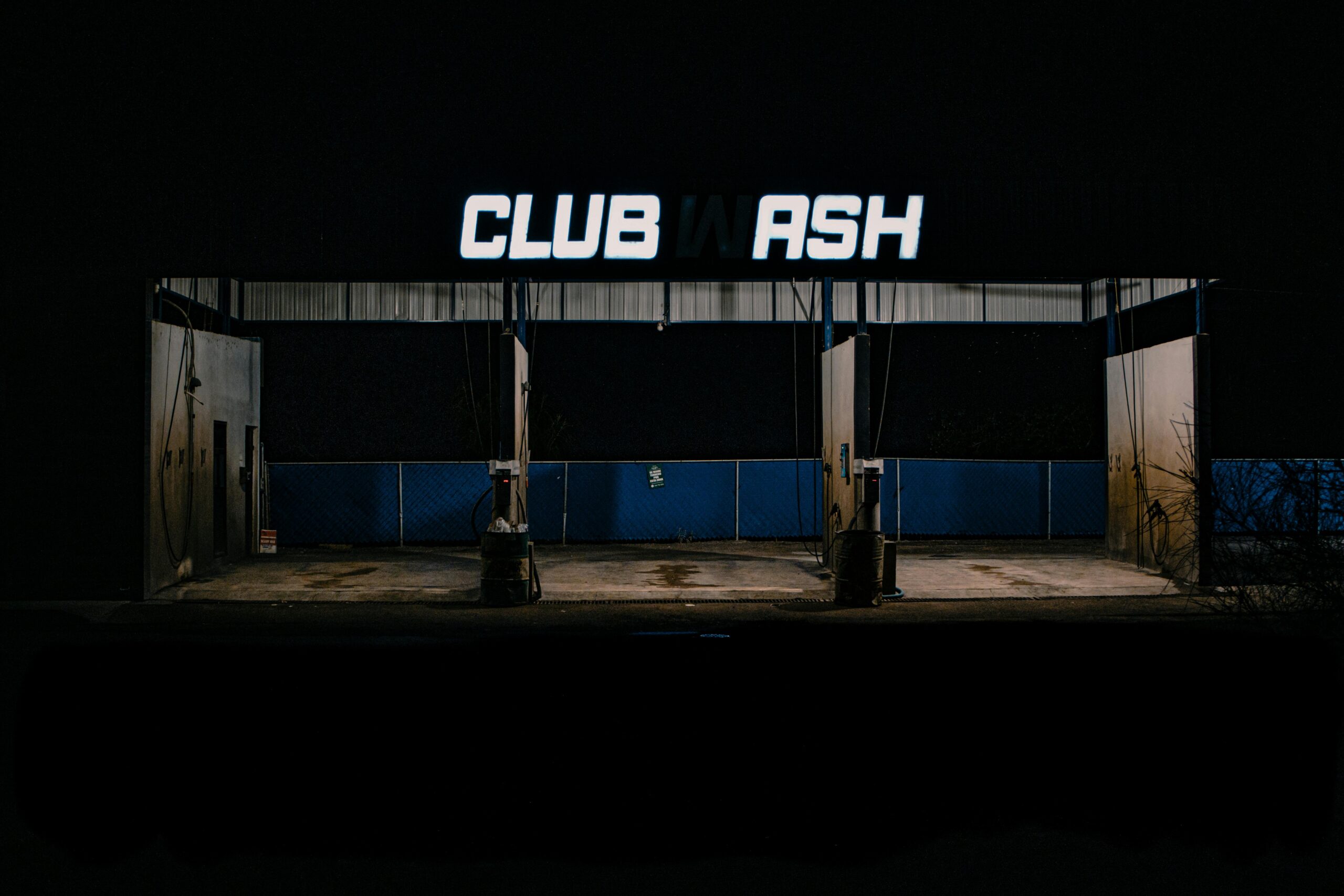
✨ Finding Beauty in the Threshold
The fascination with liminal spaces ultimately reflects something profound about human consciousness and our relationship with environment and memory. These in-between places remind us that meaning doesn’t only exist in destinations and activities, but also in transitions and pauses. They validate feelings of disconnection and eeriness that many people experience but struggle to articulate.
In an increasingly curated and populated world, liminal spaces offer rare glimpses of environments stripped of their intended purpose and human presence. They’re accidentally artistic, unintentionally philosophical. The empty mall corridor wasn’t designed to evoke existential contemplation—it was meant to facilitate shopping—but removed from its context and function, it becomes something else entirely.
Perhaps the growing interest in liminal spaces also reflects a desire for quiet and emptiness in our overstimulated age. These images and environments provide visual rest, even as they create psychological unease. They’re spaces where nothing is demanded of us, where we’re suspended between states and freed temporarily from the constant forward momentum of modern life.
The liminal space phenomenon demonstrates how internet culture can identify and amplify subtle aesthetic and psychological experiences, creating communities around shared feelings that previously went unnamed. What began as scattered images of empty rooms has evolved into a complex cultural movement that spans art, psychology, architecture, and digital media. These mysterious in-between worlds continue captivating us precisely because they exist in the threshold between the familiar and the unknown, between memory and present experience, between comfort and unease—embodying the beautiful, unsettling complexity of consciousness itself.
