
Anúncios
Hidden cities captivate our imagination with their mysterious passages, ancient secrets, and architectural marvels that have survived centuries of obscurity and rediscovery.
🗺️ The Allure of Forgotten Urban Landscapes
Throughout human history, civilizations have risen and fallen, leaving behind extraordinary urban centers that became lost to time. These hidden cities represent more than mere archaeological curiosities—they embody the dreams, struggles, and achievements of entire cultures. From the stone corridors of Petra to the cloud-shrouded terraces of Machu Picchu, each forgotten metropolis tells a unique story of human ingenuity and adaptation.
Anúncios
The fascination with hidden cities extends beyond academic interest. These places spark something primal within us—a yearning for discovery, adventure, and connection with our collective past. Walking through ancient passageways and standing where unknown generations once lived creates an almost spiritual experience that modern cities rarely provide.
What makes a city “hidden” varies considerably. Some were deliberately concealed by their inhabitants for protection. Others gradually succumbed to natural forces—swallowed by jungle vegetation, buried beneath desert sands, or submerged by rising waters. Still others were simply forgotten as trade routes shifted, empires collapsed, and populations migrated to more promising locations.
Anúncios
🏛️ Architectural Marvels Frozen in Time
The architectural achievements within hidden cities often surpass what we might expect from ancient civilizations. Without modern technology, these builders created structures that have endured millennia, incorporating sophisticated understanding of engineering, astronomy, and environmental adaptation.
Consider the precision-cut stones of Incan cities, fitted together so perfectly that not even a blade can slip between them. This technique, called ashlar masonry, required extraordinary skill and patience. The blocks were carved to interlock without mortar, creating earthquake-resistant structures that have outlasted countless modern buildings.
Engineering Genius Behind Ancient Walls
Hidden cities showcase water management systems that would impress contemporary engineers. Underground aqueducts channeled fresh water across vast distances, while drainage systems prevented flooding during seasonal rains. Some cities featured heated floors, ventilation shafts that regulated temperature naturally, and acoustic designs that amplified sound in specific locations for ceremonial purposes.
The layout of these urban centers often reflected cosmological beliefs. Streets aligned with solstices and equinoxes, buildings oriented toward significant celestial bodies, and spatial arrangements that mirrored constellations. This integration of astronomy into urban planning demonstrates a sophisticated worldview where the earthly and celestial realms were intrinsically connected.
🌿 The Dance Between Nature and Civilization
One of the most striking features of hidden cities is how nature reclaims human spaces. Tree roots embrace stone walls, vines cascade down once-pristine facades, and wildlife makes homes in structures originally built for human habitation. This interaction between natural and constructed environments creates hauntingly beautiful landscapes that photographers and artists find endlessly inspiring.
In tropical regions, the jungle’s relentless growth both preserves and destroys. Dense vegetation shields structures from human vandalism and weather extremes, yet roots gradually pry apart even the most solid masonry. This slow-motion battle between preservation and decay adds urgency to archaeological efforts while creating the romantic imagery we associate with lost cities.
Ecosystems That Guard Ancient Secrets
The surrounding ecosystems often played crucial roles in these cities’ original concealment. Impenetrable forests deterred casual exploration, while harsh desert conditions or mountainous terrain made access difficult without specialized knowledge. Indigenous communities sometimes maintained oral traditions about these places, but outsiders remained unaware for centuries.
Today, these same natural barriers present challenges for conservation efforts. Protecting hidden cities requires balancing tourism access with preservation needs, managing the impact of millions of visitors while allowing nature to continue its protective embrace. This delicate balance grows more complex as climate change accelerates environmental transformations.
🔍 Decoding the Mysteries Within Stone Corridors
Hidden cities are puzzle boxes waiting to be solved. Each carved symbol, architectural anomaly, and spatial relationship provides clues about the people who built them. Archaeologists combine traditional excavation with cutting-edge technology like LiDAR scanning, ground-penetrating radar, and digital reconstruction to reveal secrets invisible to the naked eye.
Written records rarely survived in these abandoned places. Instead, researchers must interpret material culture—pottery fragments, tool marks, burial practices, and architectural styles—to reconstruct daily life. This detective work requires patience, interdisciplinary collaboration, and willingness to revise theories as new evidence emerges.
Symbols Carved in Stone and Time
The iconography found in hidden cities speaks across millennia. Religious symbols, astronomical charts, historical narratives, and artistic expressions adorn walls, floors, and ceilings. Some symbols remain undeciphered, their meanings lost with the languages and belief systems that created them.
Advanced imaging techniques now reveal hidden layers beneath visible surfaces. Inscriptions painted over, carvings worn smooth by time, or deliberate modifications can be detected and analyzed. These discoveries sometimes overturn long-held assumptions about timeline, purpose, or cultural affiliations.
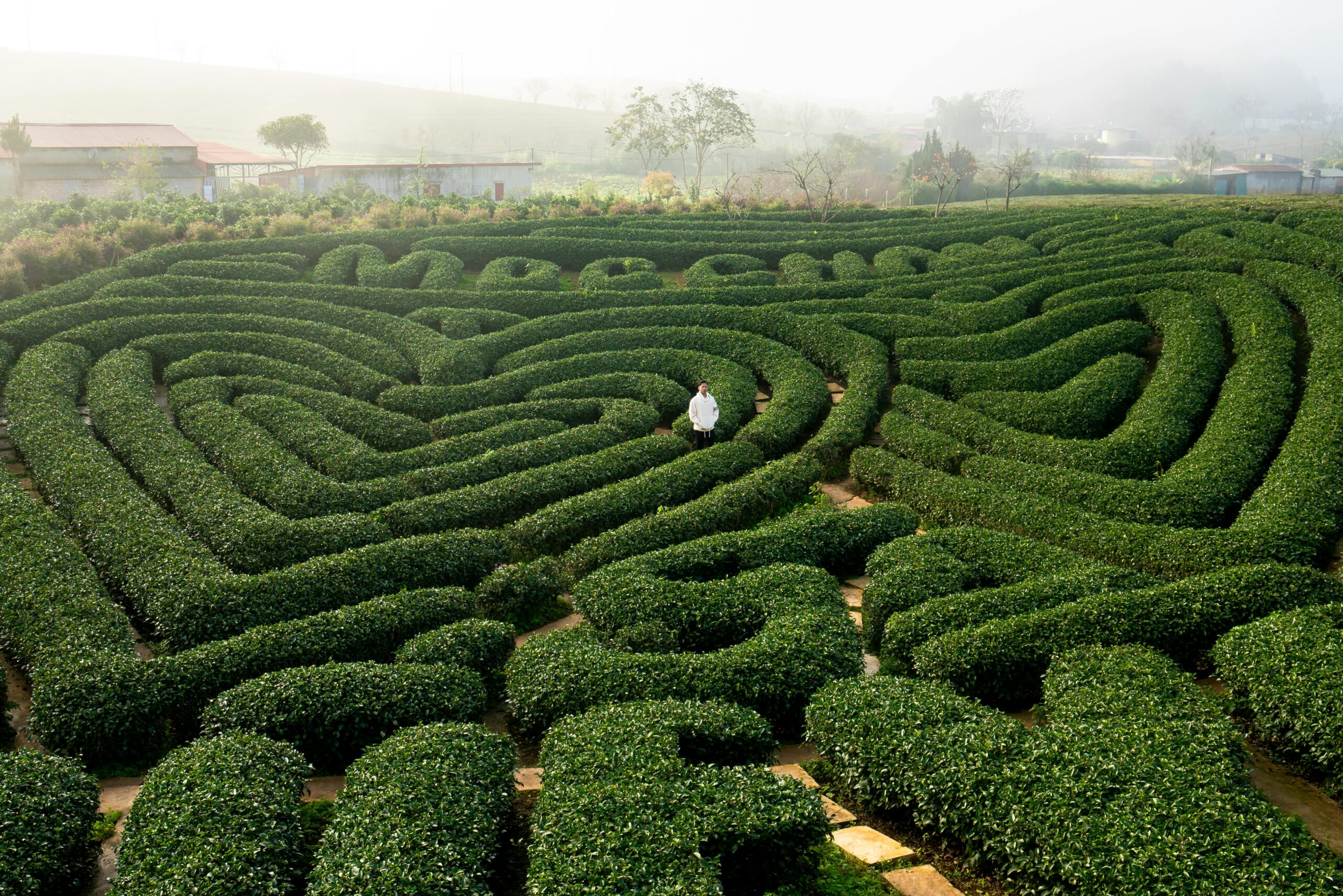
🚶♂️ Navigating the Labyrinth: Passageways of Wonder
The physical experience of exploring a hidden city creates lasting impressions. Narrow passages suddenly open into grand plazas. Dimly lit corridors lead to sun-drenched courtyards. Staircases climb to panoramic viewpoints that reveal the city’s full scope. This carefully orchestrated spatial progression wasn’t accidental—it reflected deliberate design intended to inspire, intimidate, or educate.
Some passages served purely functional purposes: access routes for residents, defensive positions during conflicts, or channels for water and waste. Others held ceremonial significance, traversed only during specific rituals or by particular social classes. Understanding which passages were public versus restricted helps archaeologists reconstruct social hierarchies and cultural practices.
Secret Chambers and Forgotten Purposes
Hidden within the obvious architecture lie secret spaces—chambers accessible only through concealed entrances, underground networks connecting distant buildings, and repositories for valuable or sacred items. Discovery of these spaces continues to this day, with new chambers occasionally revealed by natural events like earthquakes or careful archaeological investigation.
The purposes of some chambers remain speculative. Were they treasure vaults, religious sanctuaries, escape routes, or something else entirely? Without written documentation, researchers rely on contextual clues: construction quality, decorative elements, associated artifacts, and comparison with similar features in related cultures.
⏳ Timeless Wonders That Challenge Modern Understanding
Certain features of hidden cities defy easy explanation, even with our advanced scientific knowledge. How were massive stones transported across impossible terrain? What tools carved intricate details in the hardest materials? How did ancient builders achieve mathematical and astronomical precision that rivals modern calculations?
These questions don’t necessarily imply supernatural explanations, but they do remind us that ancient peoples possessed knowledge and capabilities we’re still working to fully understand. In some cases, traditional techniques have been lost, and modern attempts to replicate ancient construction methods reveal just how sophisticated these civilizations were.
The Intersection of Myth and History
Many hidden cities existed in local mythology long before archaeological verification. Stories passed through generations described abandoned cities, cursed palaces, or sacred sites forbidden to outsiders. While details became embellished over centuries, these legends often contained kernels of truth that eventually led researchers to actual locations.
This blending of myth and history complicates interpretation. Which elements reflect actual events, and which are purely symbolic or cautionary? Careful analysis of multiple sources, combined with physical evidence, helps separate historical fact from mythological elaboration—though sometimes the line between them proves remarkably thin.
📱 Technology Revealing What Eyes Cannot See
Modern technology revolutionizes how we discover and study hidden cities. Satellite imagery identifies landscape anomalies suggesting buried structures. LiDAR penetrates jungle canopy to map entire cities previously unknown. Ground-penetrating radar reveals subsurface features without excavation. Virtual reality reconstructs ruins in their original glory.
These tools democratize exploration to some degree. People worldwide can virtually explore hidden cities without traveling thousands of miles or undertaking strenuous hikes. Educational apps and interactive platforms make these wonders accessible to students, researchers, and curious individuals everywhere.

Google Earth enables armchair archaeologists to explore hidden cities from above, examining terrain features and spatial relationships that would require months of fieldwork to appreciate fully. This perspective helps contextualize how these cities related to their surrounding landscapes and neighboring settlements.
🎒 The Modern Explorer’s Journey
Visiting hidden cities today differs dramatically from the adventures of early explorers. Established paths, interpretive signs, visitor centers, and regulations make these sites more accessible while attempting to minimize damage. Yet the sense of wonder remains—standing where ancient peoples stood, touching stones they shaped, viewing vistas they knew creates powerful connections across time.
Responsible tourism balances access with preservation. Some areas remain off-limits to protect fragile structures or significant archaeological deposits. Visitor numbers may be limited during peak seasons. Photography restrictions prevent damage from flash equipment. These measures ensure future generations can experience these wonders as we do.
Preparing for Your Own Discovery
Successful exploration of hidden cities requires preparation. Research the site’s history and significance beforehand to maximize your understanding. Consider seasonal factors—weather conditions, tourist crowds, and accessibility vary throughout the year. Physical fitness matters for sites requiring hiking or climbing. Respect local customs and archaeological protocols to ensure these treasures endure.
Hiring knowledgeable guides enhances the experience immeasurably. Local guides often share insights and stories unavailable in guidebooks, pointing out details casual visitors might overlook. They also provide cultural context that transforms ruins from mere stones into vibrant remnants of lived experience.
🌍 Preservation Challenges in a Changing World
Hidden cities face unprecedented threats. Climate change accelerates erosion and weathering. Rising tourism creates wear-and-tear on fragile structures. Development pressures encroach on protected areas. Political instability in some regions leaves sites vulnerable to looting and deliberate destruction. Economic challenges limit resources available for conservation.
International cooperation proves essential for preservation. UNESCO World Heritage designation brings attention and resources but also increases tourism pressure. Non-profit organizations work with local communities to develop sustainable conservation strategies. Academic institutions contribute expertise and training. Yet funding remains perpetually insufficient for the scope of work required.
Balancing Access and Protection
The fundamental tension in hidden city conservation is between sharing these wonders with the world and protecting them from the damage that sharing causes. Too much restriction prevents people from experiencing sites firsthand, reducing public support for preservation. Too much access degrades the very features people come to see.
Innovative solutions include replica sites where visitors can touch and explore without damaging originals, virtual reality experiences that substitute for physical visits, timed entry systems that limit simultaneous visitors, and elevated walkways that protect ground-level features while maintaining access.
✨ The Enduring Magic of Discovery
Despite centuries of exploration, hidden cities continue revealing secrets. New sites emerge from jungle and desert with surprising regularity. Advanced analysis of known sites uncovers previously unrecognized features. Interdisciplinary approaches generate fresh insights into familiar places. The journey through these enchanting passages and timeless wonders never truly ends—it simply deepens.
Each generation brings new questions, techniques, and perspectives to these ancient places. What seemed comprehensively understood becomes subject to reevaluation. Technologies unavailable to previous researchers open new avenues of investigation. Collaboration with descendant communities adds voices historically excluded from academic discourse.
The hidden cities remind us that human creativity, determination, and ingenuity transcend individual lifetimes and specific civilizations. These timeless wonders connect us to our shared human heritage while inspiring continued exploration—both of ancient sites and of the fundamental questions about who we are and where we come from.
As we unlock the secrets of these remarkable places, we ultimately unlock something within ourselves: wonder at human potential, humility before the vastness of history, and responsibility to preserve these treasures for those who will walk these enchanting passages after us. The journey continues, inviting each of us to become explorers of the hidden cities that dot our extraordinary planet. 🌟
