
Anúncios
Events have the power to move people, spark conversations, and create memories that last a lifetime when emotions become the foundation of every moment.
In today’s fast-paced world, attendees crave more than just information or entertainment—they seek meaningful connections and experiences that resonate on a deeper level. The most successful events aren’t remembered for their logistics or production value alone, but for how they made people feel. When organizers prioritize emotional engagement, they transform ordinary gatherings into extraordinary experiences that participants carry with them long after the final curtain falls.
Anúncios
The science behind emotional connection at events reveals fascinating insights into human behavior. Our brains are wired to remember experiences tied to strong emotions, whether joy, surprise, inspiration, or even vulnerability. This neurological reality presents event professionals with an incredible opportunity: by deliberately designing moments that touch hearts, they can create lasting impressions that traditional event formats simply cannot achieve.
🎭 The Psychology Behind Emotional Event Experiences
Understanding why emotions matter in event design requires exploring how our minds process and store memories. Research in cognitive psychology demonstrates that emotionally charged experiences activate the amygdala, which plays a crucial role in memory formation. When attendees feel something profound during an event, their brains essentially flag that moment as important, making it more likely they’ll remember and share it with others.
Anúncios
This emotional tagging explains why people can recall exactly where they were during significant moments—a powerful keynote speech, an unexpected performance, or a heartfelt conversation with a stranger who became a friend. Event creators who leverage this understanding can intentionally craft experiences that tap into universal human emotions like belonging, achievement, curiosity, and compassion.
The emotional journey of an attendee begins long before they walk through your venue doors. Anticipation builds through pre-event communication, storytelling, and community-building efforts. During the event itself, every touchpoint—from registration to networking breaks—offers opportunities to deepen emotional engagement. The post-event phase extends this connection through follow-up that acknowledges shared experiences and maintains the emotional bonds formed.
Creating Emotional Resonance Through Authentic Storytelling
Stories remain humanity’s oldest and most effective communication tool, and they’re particularly powerful in event contexts. When speakers share personal vulnerabilities, triumph over challenges, or lessons learned through failure, they create permission for attendees to connect with their own experiences. This vulnerability breaks down the walls that often separate presenters from participants, creating an atmosphere of genuine connection.
The most impactful event stories aren’t always from famous personalities or polished professionals. Sometimes the most moving moments come from everyday attendees sharing their journeys in small group discussions, panel conversations, or dedicated storytelling sessions. These peer-to-peer narratives often carry more emotional weight because they feel accessible and relatable.
✨ Designing Physical and Digital Spaces for Connection
The environment where your event unfolds significantly influences emotional experiences. Thoughtful space design considers lighting, acoustics, seating arrangements, and sensory elements that create the right atmosphere for the connections you want to facilitate. Warm lighting encourages intimacy and conversation, while open spaces with comfortable seating invite spontaneous interactions.
For hybrid and virtual events, the challenge intensifies but remains achievable. Digital platforms that prioritize human connection over technical features help remote participants feel genuinely included. Features like virtual lounges, breakout rooms with intentional prompts, and interactive elements that encourage participation create emotional engagement even through screens.
Consider incorporating these spatial design elements to enhance emotional connection:
- Intimate seating clusters that encourage small group conversations rather than theater-style rows
- Designated quiet zones where introverts can recharge while still feeling part of the community
- Interactive installations that invite playfulness and creativity, lowering social barriers
- Natural elements like plants, water features, or outdoor spaces that reduce stress and open people emotionally
- Personalized name badges that include conversation starters or unique identifiers beyond job titles
The Power of Shared Vulnerability in Group Settings
When event facilitators create safe containers for vulnerability, magic happens. This doesn’t mean forcing uncomfortable sharing, but rather establishing environments where authenticity is valued over performance. Ground rules that emphasize confidentiality, active listening, and non-judgment allow participants to lower their guards and engage more honestly.
Activities designed around collaborative problem-solving, creative expression, or shared challenges naturally build emotional bonds. When people work together toward common goals or support each other through difficulties—even simulated ones in workshop settings—they develop genuine connections rooted in shared experience rather than superficial networking.
🎨 Multi-Sensory Experiences That Amplify Emotional Impact
Humans don’t experience the world through isolated senses—our emotions emerge from the totality of what we see, hear, touch, taste, and smell. Event designers who orchestrate multi-sensory experiences create more memorable and emotionally resonant moments. A carefully curated playlist doesn’t just fill silence; it shapes mood and energy throughout your event timeline.
Scent, often overlooked in event planning, powerfully triggers emotional memories and influences current mood. The aroma of fresh coffee during morning sessions signals awakening and possibility. Lavender or vanilla during reflective segments promotes calm and openness. Even subtle environmental fragrances can unconsciously enhance the emotional atmosphere you’re cultivating.
Tactile experiences matter too. The weight and texture of materials participants handle—whether workshop tools, welcome gifts, or interactive elements—communicate care and attention to detail. These physical touchpoints ground digital-age attendees in tangible reality, creating anchors for memory formation.
Musical Moments That Move the Soul
Live music possesses unique power to unite diverse groups through shared emotional experience. Whether a string quartet during registration, a surprise performance between sessions, or a collaborative sing-along, musical moments transcend language and cultural barriers. They remind participants of their common humanity and create peaks in the emotional journey of your event.
Even recorded music, when thoughtfully selected and timed, elevates emotional engagement. Energetic tracks during networking breaks encourage movement and interaction. Contemplative instrumentals during solo reflection activities help participants turn inward. Victory anthems at closing ceremonies amplify feelings of accomplishment and connection.
💫 Facilitating Meaningful One-on-One Connections
While large group experiences create collective emotion, intimate connections between individuals often produce the most lasting impact. Structured networking that goes beyond business card exchanges helps attendees form genuine relationships. Speed networking with thought-provoking questions, conversation partner matching based on shared interests, or facilitated small group discussions create frameworks for meaningful dialogue.
Technology can support these connections when used thoughtfully. Event apps that highlight common interests, suggest relevant connections, or facilitate follow-up conversations extend networking beyond the event itself. However, the human element remains essential—technology should enhance rather than replace face-to-face interaction.
Consider these approaches to deepen interpersonal connections:
- Assigned seating at meals that intentionally mixes different groups and backgrounds
- Conversation card decks with meaningful questions placed on tables during breaks
- Buddy systems that pair newcomers with veterans for mentorship and orientation
- Collaborative art projects where participants contribute individual pieces to collective works
- Gratitude walls where attendees publicly appreciate others through notes or messages
🌟 Creating Moments of Collective Awe and Wonder
Awe—that overwhelming feeling of being in the presence of something greater than ourselves—creates powerful bonding experiences. Events that incorporate moments of unexpected beauty, profound insight, or collective achievement trigger this emotion, uniting participants through shared transcendence.
These moments don’t require massive budgets or celebrity appearances. A choreographed reveal of an inspiring visual display, a synchronized group activity that demonstrates collective power, or a keynote that reframes familiar concepts in mind-expanding ways can all generate genuine awe. The key lies in surprising expectations and delivering something that feels larger than the sum of its parts.
Timing these peak experiences strategically throughout your event maintains emotional engagement without overwhelming participants. Too many intense moments can exhaust attendees, while too few leave them underwhelmed. Skilled event designers orchestrate emotional rhythms that include peaks, valleys, and plateaus—creating a satisfying arc that feels complete.
The Element of Positive Surprise
Unexpected delights create emotional spikes that participants remember and share. These don’t need to be elaborate—sometimes the most memorable surprises are small gestures that demonstrate thoughtfulness. A handwritten welcome note from the organizer, an unexpected break for ice cream, or a spontaneous celebration of an attendee’s achievement all create positive emotional associations.
The key to effective surprise lies in understanding your audience well enough to know what will genuinely delight rather than disrupt. Surprises should align with your event’s overall tone and values while adding unexpected brightness. They signal to attendees that you’ve thought beyond the agenda to consider their holistic experience.
🤝 Building Community That Extends Beyond the Event
The most emotionally impactful events don’t end when participants go home—they launch or strengthen communities that continue creating connection. Pre-event engagement through social media groups, discussion forums, or virtual meetups helps attendees arrive already feeling part of something larger. During the event, reinforcing community identity through shared language, inside jokes, and collective rituals deepens bonds.
Post-event community maintenance requires intentionality but yields tremendous returns. Regular touchpoints through newsletters, virtual gatherings, or local chapter meetings keep relationships alive. Platforms that facilitate ongoing conversation and collaboration transform one-time attendees into community members who carry emotional connections forward.
User-generated content campaigns that encourage participants to share their experiences, insights, and reflections extend the emotional impact while providing authentic marketing for future events. When attendees become ambassadors who actively recruit others into the community, you’ve achieved the ultimate success: creating an experience so emotionally meaningful that people want others to share it.
Ritual and Tradition as Emotional Anchors
Recurring events benefit enormously from establishing rituals that become anticipated traditions. Opening ceremonies that welcome newcomers while honoring veterans, closing activities that acknowledge growth and change, or unique practices that occur only at your event create continuity and belonging. These rituals signal to participants that they’re part of something with history and future, not just attending an isolated occurrence.
Even first-time events can incorporate ritual-like elements that feel ceremonial and intentional. Collective commitments spoken together, symbolic actions that represent shared values, or structured reflection moments become memory markers that participants associate with emotional significance.
📊 Measuring Emotional Impact and Connection
While emotions resist quantification, event professionals can assess emotional impact through thoughtful evaluation. Traditional satisfaction surveys should expand beyond logistics to explore how attendees felt, what moved them, and whether they formed meaningful connections. Open-ended questions that invite storytelling reveal emotional experiences that multiple-choice questions miss.
| Evaluation Method | What It Measures | Implementation Approach |
|---|---|---|
| Post-Event Storytelling | Memorable emotional moments | Invite participants to share their most meaningful experience through video, writing, or social media |
| Connection Tracking | Relationships formed | Survey how many new connections participants made and maintained afterward |
| Emotional Journey Mapping | Feelings throughout event | Ask attendees to plot their emotional experience across the event timeline |
| Community Engagement Metrics | Ongoing participation | Track post-event forum activity, meetup attendance, and content sharing |
| Net Emotional Value | Overall emotional impact | Measure how much the event exceeded emotional expectations on meaningful dimensions |
Social media sentiment analysis provides additional insight into emotional response, though it captures primarily public reactions. Private follow-up conversations, focus groups, or one-on-one interviews with diverse participants reveal deeper emotional truths about what worked and what missed the mark.
🎯 Overcoming Barriers to Emotional Connection
Creating emotionally resonant events faces real challenges. Professional contexts often encourage emotional guardedness, with participants hesitant to appear vulnerable or unprofessional. Cultural differences influence what emotional expressions feel appropriate and comfortable. Virtual or hybrid formats add technical barriers that can interrupt emotional flow.
Addressing these obstacles requires acknowledging them explicitly while creating conditions that gradually invite openness. Start with lower-stakes emotional engagement—light humor, mild vulnerability, or shared minor frustrations—before progressing to deeper connection. Give participants agency over their level of engagement, respecting that emotional comfort varies widely.
For culturally diverse audiences, research emotional expression norms across represented groups. Design activities that offer multiple ways to connect, ensuring introverted and extroverted participants, individualistic and collectivistic cultures, and various communication styles all find comfortable pathways to engagement.
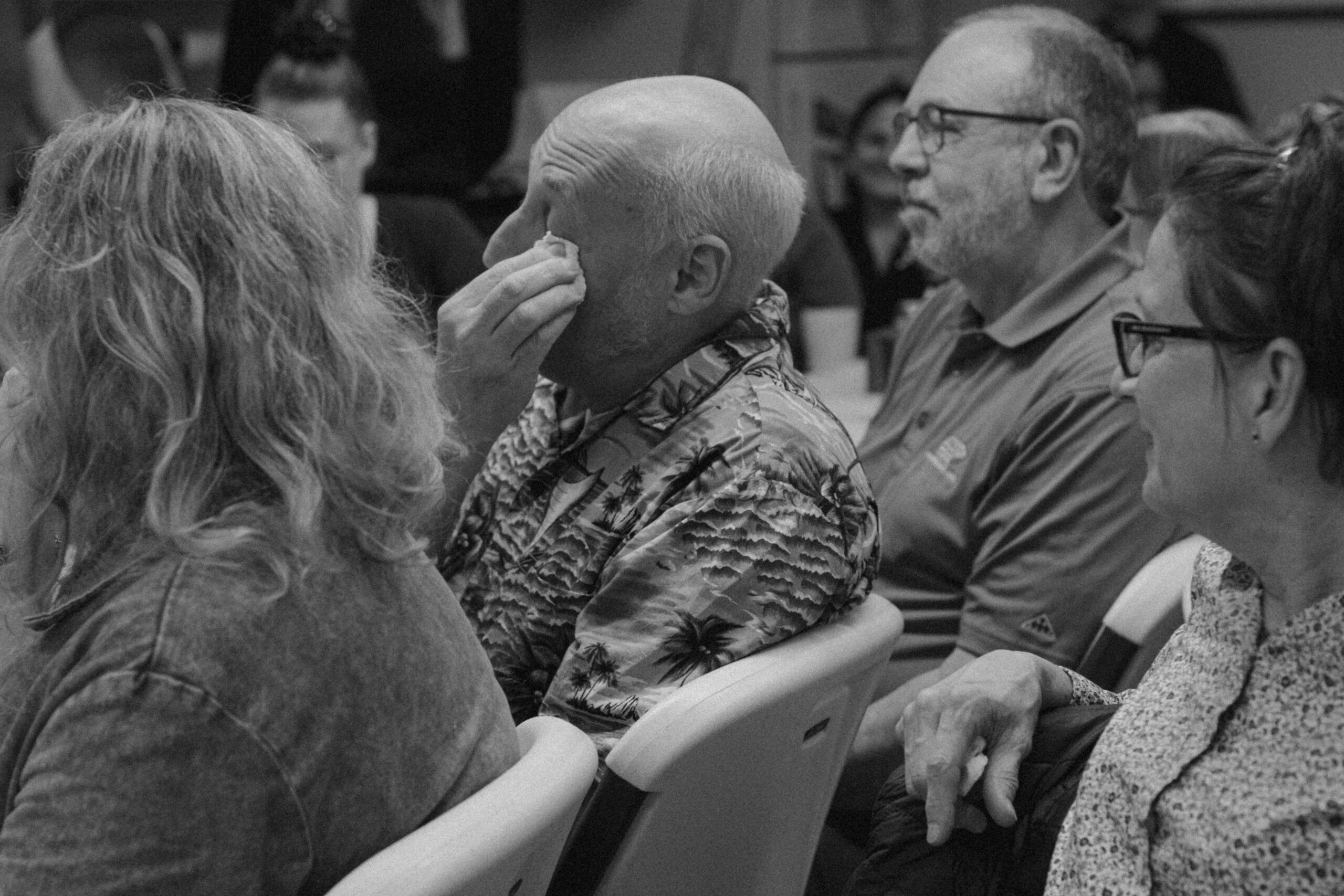
💝 The Lasting Impact of Heart-Centered Events
When events successfully unite participants through emotion, the benefits extend far beyond attendance numbers or social media metrics. Attendees leave feeling energized rather than drained, inspired rather than merely informed. They carry forward not just knowledge or contacts, but genuine relationships and renewed sense of purpose.
Organizations that prioritize emotional connection in their events build loyal communities rather than transactional audiences. Participants return year after year not because they must, but because they genuinely want to reunite with their community and recreate those meaningful feelings. They become advocates who enthusiastically recruit others, creating organic growth through authentic enthusiasm.
The ripple effects of emotionally impactful events spread through participants’ broader lives and networks. Connections made at events evolve into collaborations, friendships, and support systems. Insights gained during emotionally charged moments catalyze personal and professional transformation. The investment in creating heart-centered experiences yields returns that compound over time.
In an increasingly digital and disconnected world, events that genuinely bring people together through authentic emotion fill a critical human need. They remind us that despite our differences, we share common hopes, fears, and dreams. They demonstrate that meaningful connection remains possible and necessary, even as communication technologies evolve.
The future of events belongs to those who recognize that touching hearts isn’t soft skills—it’s essential strategy. As artificial intelligence handles more routine interactions and information becomes universally accessible, the uniquely human capacity for emotional connection becomes increasingly valuable. Events that prioritize this dimension create irreplaceable value that technology cannot replicate.
Transforming events into unforgettable experiences requires courage to move beyond formulaic programming toward authentic human connection. It demands vulnerability from organizers willing to try new approaches and potentially fail. It necessitates deep empathy and understanding of what your specific audience needs emotionally, not just what they say they want professionally.
The reward for this commitment is profound: events that truly matter to the people who attend them, experiences that change perspectives and forge connections that endure, and communities that support members long after everyone returns home. When you unite people through emotion, you create something infinitely more valuable than an event—you create belonging, meaning, and hope for genuine human connection in our complex world. 💫
