
Anúncios
Dreams have fascinated humanity since ancient times, blurring the boundaries between reality and imagination, awakening our deepest emotions and hidden desires through narratives that defy logic.
When we talk about stories that flow like living dreams, we’re exploring a unique narrative territory where conventional storytelling rules bend and reshape themselves. These dreamlike narratives captivate readers by mimicking the fluid, unpredictable nature of our subconscious wanderings during sleep. They invite us into worlds where time moves non-linearly, where characters morph and settings shift without warning, and where emotions reign supreme over rational progression.
Anúncios
The concept of dreamscape storytelling has evolved significantly throughout literary history, from ancient mythological tales to contemporary experimental fiction. Understanding how these narratives work—and why they resonate so deeply with audiences—requires us to examine the mechanics of both dreams themselves and the artistic techniques that bring them to life on the page.
🌙 The Architecture of Dream Logic in Storytelling
Dream logic operates fundamentally differently from waking consciousness. In dreams, we accept impossibilities without question: we fly without wings, speak with the deceased, or find ourselves suddenly in childhood homes that morph into unfamiliar landscapes. Stories that embrace this dream logic create a distinctive reading experience that feels simultaneously disorienting and strangely familiar.
Anúncios
The key characteristics of dream logic in narrative include:
- Non-linear progression where cause and effect relationships become fluid
- Symbolic representation rather than literal depiction of events
- Emotional continuity despite logical discontinuity
- Metamorphosis of characters, settings, and objects without explanation
- The acceptance of contradiction and paradox as natural elements
Writers who master dreamscape narratives understand that the emotional truth of a scene matters more than its logical consistency. A character might walk through a door in a city apartment and emerge in a childhood forest, yet the transition feels emotionally coherent because it reflects internal psychological states rather than external geography.
The Surrealist Legacy: Where Dreams Met Literature
The surrealist movement of the early 20th century formally established dreamscape storytelling as a legitimate artistic approach. André Breton, Salvador Dalí, and their contemporaries sought to unlock the creative potential of the unconscious mind through automatic writing and dream documentation. Their influence extends far beyond their historical moment, shaping how contemporary writers approach non-realistic narratives.
Surrealists believed that dreams revealed fundamental truths about human existence that rational thought concealed. By incorporating dream imagery and logic into their work, they challenged readers to engage with stories on intuitive rather than purely intellectual levels. This tradition continues in magical realism, speculative fiction, and literary experiments that prioritize psychological realism over physical realism.
Contemporary Inheritors of Dreamscape Tradition
Modern writers continue exploring dreamscape territories through various lenses. Haruki Murakami’s novels frequently blur boundaries between waking life and dream states, with characters slipping between realities as casually as changing rooms. David Lynch’s cinematic narratives operate on dream logic, creating experiences that viewers feel rather than fully comprehend rationally.
These contemporary dreamscape creators understand that ambiguity isn’t a weakness but a strength. By leaving interpretive space, they invite audiences to participate actively in meaning-making, creating personalized experiences that resonate differently with each individual based on their own psychological landscapes.
✨ Crafting Atmosphere: The Sensory Landscape of Dreams
Dream narratives succeed or fail based on their atmospheric construction. Unlike conventional stories that might describe settings in precise visual detail, dreamscape narratives must evoke the peculiar quality of dream perception—that sense of knowing without seeing, of recognizing places that never existed, of experiencing heightened sensory awareness alongside strange omissions.
Effective dreamscape writing employs several atmospheric techniques:
- Selective sensory details that emphasize mood over comprehensive description
- Shifting perspectives that mirror the unstable viewpoint of dreams
- Temporal ambiguity that makes duration impossible to measure
- Lighting and color symbolism that reflects emotional states
- Sound design that includes meaningful silences and impossible acoustics
The atmosphere in dream narratives acts as an invisible character, shaping events and influencing how readers interpret action. A scene might be bathed in golden afternoon light that suggests nostalgia, then shift imperceptibly to twilight shadows that introduce melancholy—all without explicit statement about emotional content.
Character Transformation in Fluid Narrative Spaces
In dreamscape stories, characters often function differently than in realistic fiction. They may represent psychological fragments rather than fully realized individuals, or they might shift identities mid-narrative, reflecting the way dream figures can simultaneously be multiple people or transform from stranger to intimate acquaintance.
This fluidity allows writers to explore identity in profound ways. A protagonist might encounter versions of themselves at different ages, converse with aspects of their personality externalized as separate beings, or merge temporarily with other characters in moments of deep connection or conflict.
The Shadow Self and Dream Doubles
Jungian psychology introduced the concept of the shadow self—the repressed or unacknowledged aspects of personality. Dreamscape narratives frequently externalize these shadow elements as doppelgängers, antagonists, or mysterious figures who pursue or guide the protagonist. These encounters force characters (and readers) to confront uncomfortable truths about identity, desire, and fear.
The dream double serves multiple narrative functions: it creates dramatic tension, provides opportunities for self-reflection, and allows exploration of alternative life paths. When a character meets their other self, the narrative asks fundamental questions about authenticity, choice, and the constructed nature of identity.
🎨 Symbolism as Native Language
Dreams communicate through symbols rather than direct statement, and dreamscape narratives embrace this symbolic language as their primary mode of expression. Water might represent emotional states, doors signify transitions or choices, and recurring objects carry accumulated meaning that evolves throughout the story.
Effective symbolic systems in dreamscape fiction operate on multiple levels simultaneously. A symbol might function literally within the story’s internal logic while also carrying metaphorical weight and emotional resonance. This layered approach rewards close reading while remaining accessible to audiences who engage more intuitively.
| Symbol | Common Dream Meanings | Narrative Function |
|---|---|---|
| Mirrors | Self-reflection, truth, distortion | Reveal hidden aspects of character |
| Staircases | Ascension, descent, transformation | Mark transitional moments |
| Empty rooms | Potential, loss, isolation | Create psychological space |
| Falling | Loss of control, anxiety, surrender | Initiate transformative experiences |
Writers working in dreamscape modes must balance symbolic density with narrative momentum. Too many symbols become overwhelming and pretentious; too few fail to create the richly layered experience that distinguishes dream narratives from straightforward storytelling.
Time as Elastic Medium Rather Than Fixed Framework
Perhaps nothing distinguishes dreamscape narratives more clearly than their treatment of time. In dreams, decades compress into moments while seconds expand into eternities. Past, present, and future coexist simultaneously. Dreamscape stories embrace this temporal fluidity, creating narratives where chronology serves emotional logic rather than calendar progression.
This temporal elasticity allows writers to juxtapose moments from different life periods, showing how past experiences haunt present consciousness or how future anxieties shape current behavior. A character might relive childhood trauma while simultaneously experiencing its adult consequences, creating powerful moments of recognition and understanding.
Circular and Spiral Narrative Structures
Linear narrative arcs feel foreign to dream logic. Instead, dreamscape stories often employ circular or spiral structures where endings connect to beginnings, but with transformed understanding. Characters may return repeatedly to the same symbolic location or situation, each iteration revealing new dimensions of meaning.
These circular structures mirror how dreams return to unresolved psychological material, approaching it from different angles until integration or understanding occurs. For readers, this creates a sense of recognition and inevitability—we know we’ve been here before, yet everything has changed.
🌊 The Role of Transition and Threshold Spaces
Dreamscape narratives pay special attention to liminal spaces—thresholds, doorways, corridors, shorelines, twilight hours—places and times that exist between defined states. These transition zones become sites of transformation where normal rules suspend and extraordinary possibilities emerge.
Threshold spaces in dream narratives function as portals between different levels of reality or consciousness. A character standing in a doorway might simultaneously occupy two worlds. Walking down a corridor might involve traveling through psychological rather than physical space. These ambiguous zones allow writers to shift narrative modes fluidly without jarring transitions.
The emphasis on thresholds reflects how dreams themselves often focus on moments of change, decision, or uncertainty. By foregrounding these liminal experiences, dreamscape stories explore the anxiety and potential inherent in transformation.
Embracing Ambiguity: The Power of Uncertainty
Conventional storytelling typically resolves ambiguity, providing clear explanations and definitive conclusions. Dreamscape narratives, however, embrace uncertainty as essential to their power. Just as we wake from dreams with questions rather than answers, readers of dreamscape fiction must accept incomplete understanding and multiple possible interpretations.
This ambiguity isn’t lazy storytelling but rather a sophisticated acknowledgment that psychological and emotional truths resist simple explanation. By leaving interpretive space, dreamscape narratives honor the complexity of human experience and allow stories to continue resonating long after the final page.
When to Clarify and When to Obscure
Effective dreamscape writing requires careful judgment about which elements need clarity and which benefit from mystery. Emotional stakes should remain clear even when plot mechanics stay ambiguous. Readers need to understand what characters feel and desire, even if they don’t fully comprehend the nature of the reality those characters inhabit.
The balance between clarity and obscurity varies depending on the specific story and intended effect. Some dreamscape narratives eventually reveal their underlying logic, providing satisfying “aha” moments. Others maintain mystery throughout, trusting readers to find personal meaning without authorial explanation.
💫 Creating Emotional Resonance Through Dream Language
The ultimate measure of dreamscape storytelling success is emotional resonance. Do readers feel the story in their bodies and psyches? Does the narrative linger in consciousness, surfacing unexpectedly like dream fragments throughout daily life? These visceral responses distinguish truly effective dreamscape fiction from merely clever technical exercises.
Emotional resonance in dream narratives emerges from authentic engagement with the unconscious dimensions of human experience. Writers must access their own dream logic, tapping into the symbolic language and fluid associations that characterize deep psychological processing. This requires vulnerability and willingness to explore uncomfortable or mysterious aspects of consciousness.
The most powerful dreamscape stories feel inevitable rather than arbitrary. Their strange logic carries an internal consistency that readers recognize intuitively even when they can’t articulate it rationally. This felt coherence distinguishes meaningful surrealism from random weirdness.
Practical Techniques for Developing Dreamscape Narratives
Writers interested in crafting dreamscape stories can develop specific practices to access dream logic and translate it into compelling narrative. Dream journaling provides raw material and helps attune consciousness to the symbolic and associative patterns of dreams. Recording dreams immediately upon waking captures their peculiar logic before rational mind imposes conventional structure.
Free writing and automatic writing exercises bypass critical editorial functions, allowing unconscious material to surface. Setting timers and writing without stopping or correcting generates unexpected associations and imagery that can become seeds for dreamscape narratives.
Studying visual artists who work with dream imagery—from Hieronymus Bosch to contemporary surrealists—helps develop sensitivity to symbolic visual language. This cross-medium inspiration enriches literary dreamscape work with new metaphoric possibilities.
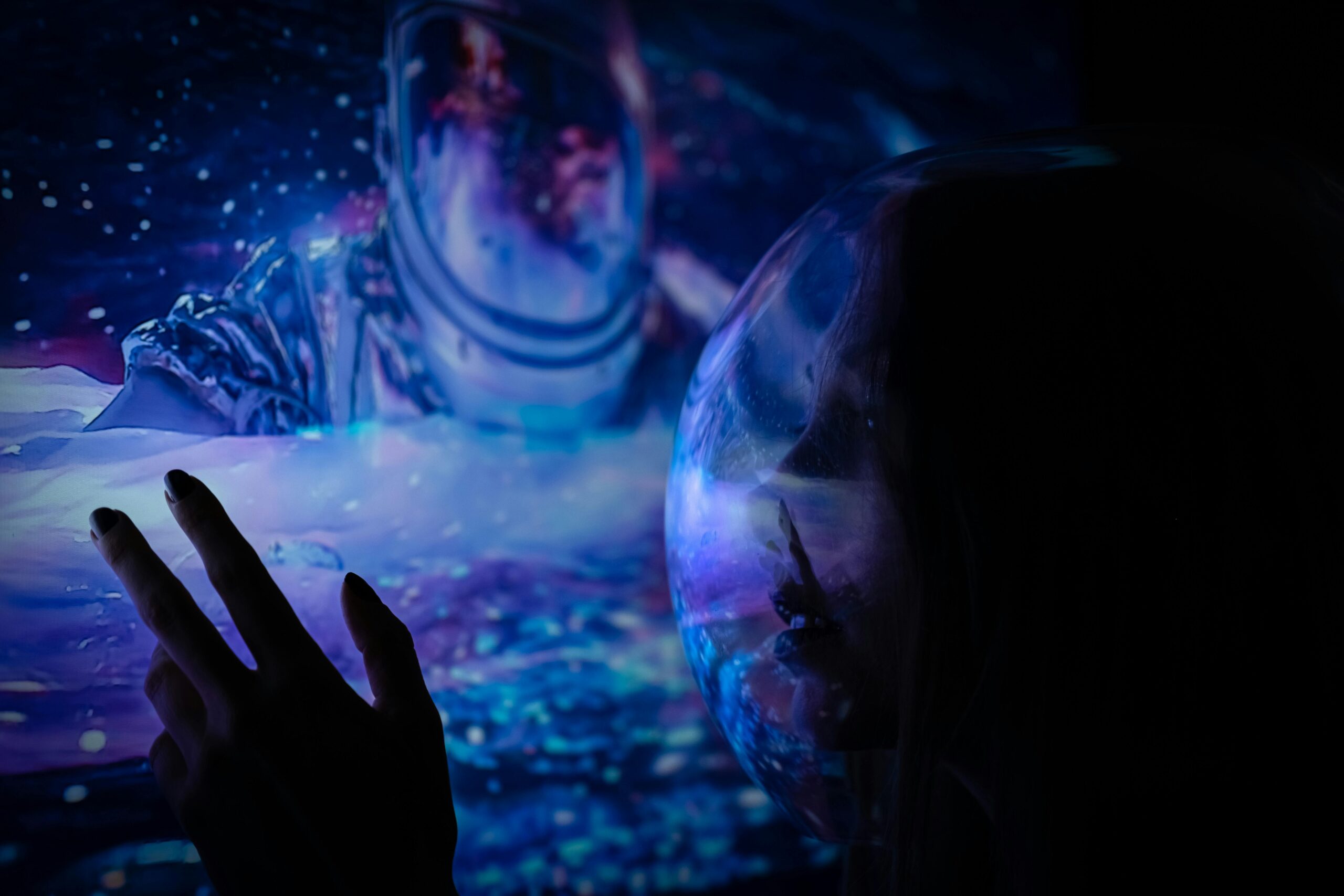
🌟 The Transformative Potential of Dream Stories
Dreamscape narratives offer readers more than entertainment—they provide opportunities for psychological exploration and personal transformation. By engaging with stories that operate on dream logic, readers exercise different cognitive and emotional capacities than conventional narratives require. This mental flexibility has value beyond literary appreciation.
Dream stories remind us that multiple ways of knowing and experiencing reality exist. In a culture that privileges rational, linear thinking, dreamscape narratives validate intuitive, associative, and emotional modes of understanding. They suggest that mystery and ambiguity aren’t problems to solve but dimensions of experience to embrace.
For writers and readers alike, dreamscape storytelling opens doorways to expanded creative possibility. These narratives demonstrate that stories need not follow predetermined structures, that meaning emerges through multiple pathways, and that the most profound truths often arrive cloaked in symbol and metaphor rather than direct statement.
The journey through dreamscape storytelling ultimately reveals that the distinction between dreaming and waking life isn’t as absolute as we typically assume. Both states involve narrative construction, symbolic interpretation, and emotional processing. Stories that flow like living dreams don’t escape reality but rather illuminate aspects of reality that conventional narratives overlook—the fluid, symbolic, deeply personal dimensions of human consciousness that shape our experience more profoundly than we usually acknowledge.
