
Anúncios
Dreams are more than fleeting nighttime images—they’re windows into our deepest subconscious patterns, revealing truths we often ignore while awake. ✨
Have you ever woken up feeling like you’ve dreamed the same scenario before? Perhaps you’re repeatedly falling, being chased, or losing your teeth in various dreamscapes. These recurring symbolic patterns aren’t random glitches in your sleeping brain—they’re your subconscious mind’s persistent attempt to communicate something vital that requires your attention.
Anúncios
Symbolic dream repetition represents one of psychology’s most fascinating phenomena, where specific themes, images, or narratives replay themselves across multiple dreams, sometimes spanning months or even years. Understanding these patterns can unlock profound insights into your emotional landscape, unresolved conflicts, and hidden desires that shape your waking life.
🔍 Understanding the Nature of Dream Repetition
Dream repetition manifests in various forms, each carrying distinctive psychological significance. Some people experience literal repetitions where entire dream sequences replay almost identically, while others encounter thematic variations where core symbols or emotions remain constant but circumstances shift.
Anúncios
The human brain processes approximately 60,000 thoughts daily, and our dreams serve as nocturnal filing systems, organizing these experiences into meaningful patterns. When certain symbols or scenarios repeat, your subconscious is essentially flagging content that requires deeper processing or resolution.
Research in neuroscience suggests that repetitive dreams often correlate with periods of stress, transition, or unresolved psychological conflict. The dreaming mind doesn’t communicate in straightforward language—it speaks through metaphor, symbolism, and emotional resonance, creating a rich tapestry of meaning that demands interpretation.
The Psychological Foundation of Recurring Symbols
Carl Jung, the pioneering psychoanalyst, proposed that certain symbols carry universal meaning across cultures—what he termed the “collective unconscious.” These archetypal images appear repeatedly in dreams because they tap into fundamental human experiences: birth, death, transformation, shadow aspects, and individuation.
However, personal context always matters. While water might universally represent emotions and the unconscious, your specific relationship with water—whether you nearly drowned as a child or spent blissful summers at the ocean—colors its symbolic meaning in your unique dream language.
🌙 Common Symbolic Patterns and Their Hidden Meanings
Certain dream symbols appear with remarkable frequency across different cultures and individuals. Recognizing these common patterns provides a starting point for decoding your subconscious messages.
Falling Dreams: Loss of Control and Life Transitions
Dreams of falling rank among the most commonly reported recurring dreams worldwide. These experiences typically reflect feelings of losing control in waking life, whether related to career instability, relationship uncertainty, or personal identity shifts.
The sensation of falling often accompanies major life transitions where familiar ground disappears beneath your feet. Your subconscious uses this visceral physical metaphor to process the anxiety accompanying change, even positive transformations like promotions or new relationships.
Chase Dreams: Avoidance and Confrontation
Being pursued in dreams rarely concerns actual physical threats. Instead, chase dreams symbolize aspects of yourself or your life you’re actively avoiding. The pursuer often represents repressed emotions, responsibilities you’re dodging, or parts of your shadow self demanding integration.
Interestingly, the identity of your pursuer matters significantly. A faceless entity suggests vague, undefined anxieties, while being chased by someone you know might indicate unresolved conflict with that person or what they represent in your psyche.
Teeth Falling Out: Powerlessness and Communication Breakdowns
Despite various cultural interpretations, teeth-loss dreams frequently correlate with feelings of powerlessness, concerns about appearance and aging, or difficulties with communication and self-expression. Teeth enable us to speak clearly and process nourishment—losing them symbolically represents losing these fundamental capacities.
Nakedness in Public: Vulnerability and Authenticity
Finding yourself unexpectedly naked in dreams, especially in professional or social settings, typically reflects feelings of vulnerability, exposure, or fear of being “seen” for who you truly are. These dreams often increase during periods when you’re hiding aspects of yourself or feeling like an impostor.
🧩 Decoding Your Personal Dream Language
While universal symbolism provides useful frameworks, developing fluency in your unique dream language requires dedicated attention and pattern recognition. Your subconscious creates a personalized symbolic vocabulary based on your experiences, culture, traumas, and aspirations.
Keeping a Strategic Dream Journal
Effective dream analysis begins with systematic recording. Keep your journal immediately beside your bed, as dream memories fade rapidly upon waking—often within five minutes, up to 90% of dream content disappears from conscious recall.
Record not just narrative details but emotional tones, color palettes, recurring characters, and body sensations. Over time, patterns emerge that reveal your subconscious preoccupations. Notice which symbols appear during specific life circumstances or emotional states.
Identifying Your Core Symbolic Themes
After accumulating several weeks of dream records, review them specifically looking for repeated elements:
- Settings that recur (childhood homes, specific landscapes, particular buildings)
- Characters who appear repeatedly, including deceased relatives or fictional figures
- Actions you perform or witness multiple times
- Emotional atmospheres that pervade different dream scenarios
- Objects that feature prominently across various dreams
- Colors that dominate your dreamscapes
These recurring elements form your personal symbolic lexicon—the vocabulary your subconscious uses to communicate complex psychological material that resists straightforward verbal expression.
🔑 The Transformative Power of Symbolic Recognition
Identifying repetitive dream patterns represents only the first step. True transformation occurs when you engage actively with these symbols, translating their messages into conscious awareness and intentional action.
From Passive Observation to Active Dialogue
Rather than merely cataloging your dreams, develop a practice of dialogue with recurring symbols. Techniques like active imagination—pioneered by Jung—involve engaging consciously with dream images while in a relaxed, meditative state.
When a symbol repeats persistently, spend waking time visualizing it. Ask the symbol questions: “What do you need from me? What are you trying to show me? What happens if I ignore you?” This practice might feel strange initially, but it creates a bridge between conscious and unconscious minds.
Shadow Work Through Dream Repetition
Recurring nightmares or disturbing symbols often point toward shadow material—aspects of yourself you’ve rejected, repressed, or refused to acknowledge. Your shadow contains not just negative traits but also positive qualities you’ve disowned due to family conditioning or cultural expectations.
When threatening figures appear repeatedly in dreams, consider what qualities they embody. Often, these figures represent your own power, anger, sexuality, or creativity that you’ve deemed unacceptable. Integration, not elimination, resolves these repetitive nightmares.
🌟 Practical Techniques for Breaking Unproductive Patterns
While some dream repetition serves valuable psychological purposes, certain recurring dreams indicate stuck patterns that benefit from conscious intervention.
Lucid Dreaming for Pattern Interruption
Lucid dreaming—becoming aware you’re dreaming while still in the dream state—offers powerful opportunities to interact consciously with recurring scenarios. When you recognize you’re dreaming, you can choose different responses, confront pursuers, or dialogue with threatening figures.
Developing lucid dreaming capacity requires practice. Reality testing throughout your day—regularly questioning whether you’re dreaming—eventually carries over into sleep. Common reality checks include reading text twice (it changes in dreams), checking digital clocks, or examining your hands.
Imagery Rehearsal Therapy for Nightmare Resolution
This evidence-based therapeutic technique involves consciously rewriting the narrative of recurring nightmares while awake. You deliberately imagine the dream unfolding differently, with empowering conclusions or resolutions.
Regular practice of your revised dream narrative—ideally daily for several weeks—can actually change the dream when it recurs. This works because your brain doesn’t sharply distinguish between vividly imagined experiences and actual events when encoding memories.
💫 Cultural and Spiritual Dimensions of Dream Repetition
Different cultural traditions offer varied interpretations of repetitive dream symbols, enriching our understanding beyond purely psychological frameworks.
Indigenous Perspectives on Dream Patterns
Many indigenous cultures view recurring dreams as messages from ancestors, spirit guides, or the collective soul of the community. Rather than interpreting symbols individualistically, these traditions emphasize relational and communal meanings.
In some Native American traditions, repetitive dreams indicate a calling to specific roles within the community—healer, storyteller, or ceremonial leader. The dreamer shares these patterns with elders who help discern their broader significance.
Eastern Philosophical Approaches
Buddhist dream yoga traditions view all dreams—recurring or not—as opportunities to recognize the illusory nature of perceived reality. Repetitive patterns specifically demonstrate how consciousness creates habitual formations that feel real but lack inherent substance.
Rather than seeking to decode specific symbolic meanings, these practices emphasize maintaining awareness through dream states, recognizing the dream-like quality of all experience, and cultivating equanimity toward whatever content arises.
🧠 The Neuroscience Behind Repetitive Dream Patterns
Modern neuroscience illuminates the biological mechanisms underlying dream repetition, complementing psychological and spiritual interpretations with physiological understanding.
Memory Consolidation and Emotional Processing
During REM sleep—when most vivid dreaming occurs—your brain consolidates memories and processes emotions. The hippocampus, which encodes new memories, communicates intensively with the amygdala, your brain’s emotional center.
Recurring dreams often reflect incomplete emotional processing. When experiences carry strong emotional charges that weren’t fully metabolized during waking hours, your sleeping brain repeatedly attempts to integrate this material, creating dream repetitions until resolution occurs.
Neural Pattern Recognition
Your brain constantly searches for patterns—it’s fundamental to learning and survival. Repetitive dream themes reflect neural networks that have been activated repeatedly by similar emotional or situational triggers in waking life.
These neural patterns become increasingly entrenched through repetition, explaining why some dream themes persist for years. Changing the waking circumstances or emotional responses that activate these networks can finally allow the dream pattern to shift or dissolve.
🎯 Tracking Progress: When Dream Patterns Shift
One of the most rewarding aspects of working intentionally with dream symbols involves witnessing how patterns transform as you grow psychologically.
Signs Your Subconscious Work Is Progressing
As you successfully integrate the messages from recurring dreams, you’ll notice specific changes in your dream life. Formerly threatening figures might become neutral or even helpful. Scenarios that previously ended in anxiety might resolve peacefully or simply stop occurring.
Sometimes, resolution doesn’t mean the symbol disappears entirely but rather that your relationship with it transforms. You might still dream of being chased but find yourself turning to face the pursuer, or water dreams might shift from drowning scenarios to swimming peacefully.
These transformations in your internal symbolic landscape often coincide with observable changes in your waking life—improved relationships, decreased anxiety, greater authenticity, or resolution of long-standing conflicts.
🌈 Integrating Dream Wisdom Into Daily Life
The ultimate purpose of understanding symbolic dream repetition extends beyond intellectual curiosity—it’s about living more consciously, authentically, and fully.
When you decode the persistent messages your subconscious sends, you gain access to wisdom that your conscious mind, with its defenses and limitations, couldn’t access directly. This wisdom often points toward necessary life changes, unacknowledged needs, or untapped potentials.
Create bridges between dream insights and waking action. If recurring dreams suggest you’re avoiding confrontation, practice assertiveness in small ways. If dreams repeatedly feature creative expression you’ve abandoned, recommit to artistic practices. Your dreams don’t just diagnose—they prescribe.
Building a Sustainable Dream Practice
Consistency matters more than intensity in dream work. Even five minutes each morning recording and reflecting on dreams yields significant insights over time. Establish rituals that honor this practice—perhaps morning journaling with coffee, or evening review before bed.
Consider finding a dream-sharing partner or group. Discussing dreams with others often reveals dimensions you couldn’t see alone, and the regular accountability supports sustained practice. Many find that articulating dreams to others clarifies their meaning remarkably.
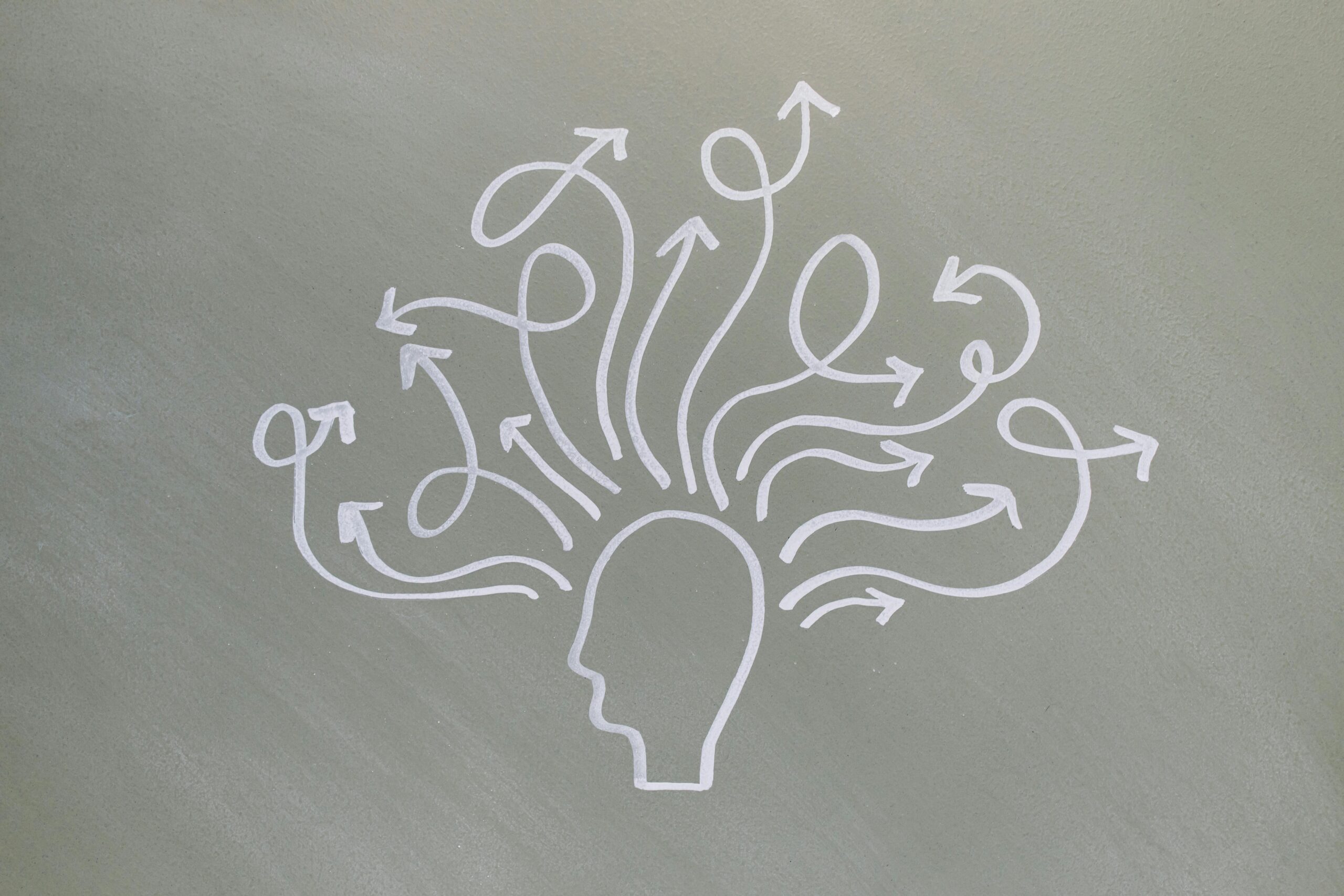
🎭 The Living Relationship Between Dreamer and Dream
Your dreams aren’t static messages requiring one-time decoding—they represent an ongoing conversation between your conscious and unconscious minds. As you change, your dreams evolve. As you understand your dreams more deeply, you change.
This dynamic relationship means dream interpretation isn’t about finding definitive, permanent meanings but rather engaging in continuous dialogue. The symbol that meant one thing last year might carry different significance today, reflecting your psychological development.
Repetitive dream patterns serve as your subconscious mind’s patient persistence, continuing to present material until you’re ready to receive it. Rather than viewing recurring dreams as problems to solve, consider them invitations to deeper self-knowledge and opportunities for psychological integration.
By honoring the symbolic language of your dreams, recording patterns with curiosity rather than judgment, and translating insights into conscious action, you transform these mysterious nocturnal experiences into powerful guides for your waking journey. Your subconscious already knows what you need—recurring dreams simply ensure you eventually pay attention. 🌙✨
