
Anúncios
Life doesn’t always announce its transformations with fanfare. Often, the most profound changes arrive quietly, almost imperceptibly, reshaping our existence one small moment at a time.
The Whisper of Change in a World That Shouts 🌱
We live in a culture obsessed with dramatic transformations. Social media feeds overflow with before-and-after photos, overnight success stories, and radical life overhauls that promise instant fulfillment. Yet the truth remains that most meaningful change doesn’t arrive with thunder and lightning—it comes as a gentle breeze that gradually shifts the direction of our sail.
Anúncios
Subtle changes represent the unsung heroes of personal evolution. They’re the daily choices that seem inconsequential in isolation but compound into extraordinary results over time. A conversation with a stranger that plants a seed of curiosity. A book that slightly adjusts your perspective. A routine tweaked by just fifteen minutes that creates space for something transformative to emerge.
These micro-shifts operate beneath our conscious awareness, working like underground roots that eventually break through concrete. They don’t demand our attention or require massive willpower, yet they possess the power to redirect our entire trajectory. Understanding and embracing these subtle changes becomes essential for anyone seeking authentic, lasting transformation.
Anúncios
The Compound Effect of Small Adjustments ✨
Consider how a pilot adjusts the course of an aircraft. A mere one-degree change in direction seems negligible in the moment, barely noticeable to passengers settling into their seats. However, maintained over the duration of a transcontinental flight, that single degree determines whether you land in an entirely different city—or even a different country.
Our lives operate on similar principles. The decision to wake thirty minutes earlier doesn’t revolutionize your first day. But sustained over a year, those 182.5 additional hours create space for learning a new language, developing a meditation practice, or writing that novel you’ve postponed for years. The compound interest of behavioral change far exceeds any financial investment you’ll ever make.
Research in behavioral psychology consistently demonstrates that small, sustainable changes outperform dramatic overhauls in long-term success rates. When we attempt radical transformation, we often trigger psychological resistance that undermines our efforts. Our brain perceives drastic change as a threat, activating defense mechanisms that pull us back toward familiar patterns.
Why Subtle Shifts Succeed Where Grand Gestures Fail
The beauty of incremental change lies in its ability to bypass our internal resistance systems. When modifications feel manageable, we don’t activate the fight-or-flight response that sabotages New Year’s resolutions by February. Instead, we create sustainable momentum that builds confidence and capability simultaneously.
Small changes also provide valuable feedback loops. Each tiny adjustment becomes an experiment, offering data about what works for your unique circumstances. This iterative approach to personal development allows for course corrections without the emotional devastation that accompanies the failure of grandiose plans.
Recognizing Life’s Pivotal Micro-Moments 🔍
The challenge with subtle changes is their very subtlety. We often fail to recognize pivotal moments until we examine them through the rear-view mirror of retrospection. Learning to identify these opportunities in real-time requires developing what might be called “transformation awareness”—a heightened sensitivity to the small decisions that carry outsize consequences.
Think about the relationships that shaped your life. Chances are, the most significant ones didn’t begin with dramatic declarations or cinematic encounters. They started with simple conversations, repeated interactions that gradually built trust and intimacy. One coffee that led to another. A shared laugh that revealed compatibility. Small moments of vulnerability that created pathways for deeper connection.
Professional trajectories follow similar patterns. Career-defining opportunities rarely announce themselves as such. They appear as optional meetings, informal conversations, or projects that seem tangential to your main responsibilities. The person who attends the optional workshop, volunteers for the cross-departmental project, or engages curiously with someone from a different field—these individuals position themselves at the intersection where opportunity and preparation collide.
Cultivating Awareness in the Ordinary
Developing sensitivity to life-altering subtleties requires intentional practice. Mindfulness meditation serves as excellent training for this skill, teaching practitioners to notice thoughts, sensations, and impulses that typically operate below conscious awareness. This capacity for present-moment attention translates directly into recognizing opportunities disguised as ordinary moments.
Journaling creates another powerful tool for pattern recognition. By regularly recording your experiences, thoughts, and decisions, you create a dataset that reveals which small actions correlate with positive outcomes. Over time, you develop intuition for the types of subtle choices that tend to open doors versus those that close them.
The Neuroplasticity of Gradual Transformation 🧠
Neuroscience validates what wisdom traditions have taught for millennia—our brains possess remarkable plasticity, constantly rewiring themselves based on repeated experiences and behaviors. However, this neuroplasticity responds more favorably to consistent, incremental stimulation than to sporadic, intense efforts.
When you practice a new behavior repeatedly, even in small doses, you strengthen neural pathways associated with that action. The myelin sheath around these neural connections thickens, making the behavior more automatic and requiring less conscious effort. This biological reality explains why daily five-minute meditation sessions often produce better long-term results than weekly hour-long sessions.
The implication is profound: you’re not trying to become a different person through force of will. Instead, you’re allowing your brain to gradually adapt to new patterns until they become your natural default. This approach honors your biology rather than fighting against it, creating change that feels less like warfare and more like growth.
Building New Neural Highways
Every time you choose the stairs over the elevator, you’re not just burning a few extra calories—you’re reinforcing neural circuits associated with health-conscious decision-making. Each time you pause before reacting in anger, you strengthen pathways of emotional regulation. These individual instances may feel insignificant, but they’re literally reshaping your brain’s architecture.
The practical application becomes clear: identify the person you wish to become, then isolate the smallest possible behavior that aligns with that identity. Want to become a writer? Write one sentence daily. Aspiring to greater fitness? Do five push-ups every morning. The specific action matters less than the consistency and the neural message you’re sending: this is who I am now.
Environmental Design for Subtle Transformation 🏡
While internal motivation matters, environment shapes behavior more powerfully than willpower ever could. James Clear, author of “Atomic Habits,” emphasizes that small changes in context often produce dramatic shifts in behavior without requiring heroic self-discipline.
Consider the simple act of placing your phone in another room before bed. This minor environmental adjustment—requiring perhaps ten seconds of effort—can transform sleep quality, morning routines, and daily productivity. You haven’t changed your character or willpower; you’ve simply made the undesired behavior slightly less convenient and the desired behavior (better sleep) slightly easier.
The principle extends infinitely. Placing workout clothes beside your bed makes morning exercise more likely. Keeping a book on your pillow instead of your phone shifts evening routines. Preparing healthy snacks in advance makes nutritious choices effortless when hunger strikes. Each environmental tweak represents a subtle intervention that guides behavior without requiring constant decision-making.
The Architecture of Daily Life
Viewing your environment as programmable architecture opens creative possibilities. Your physical spaces, digital interfaces, and social circles all constitute environmental factors that either facilitate or obstruct desired changes. Audit these domains with intention, asking: does this element support who I’m becoming or who I’ve been?
Digital environments deserve particular attention in our technology-saturated age. The apps on your phone’s home screen, the browser tabs you keep open, the subscriptions filling your inbox—each represents a subtle influence on your attention and behavior. Curating these digital spaces mindfully creates friction for distracting behaviors and reduces resistance for meaningful ones.
Relationships as Catalysts for Gradual Change 👥
We become the average of the five people we spend the most time with—a cliché that happens to be neurologically accurate. Mirror neurons in our brains fire both when we perform actions and when we observe others performing them, creating a biological basis for social influence that operates largely outside conscious awareness.
The subtle changes introduced through relationships often prove most transformative because they feel natural rather than forced. When your friend casually mentions an interesting podcast, you explore it. When a colleague demonstrates a different approach to conflict, you unconsciously incorporate elements into your own style. These micro-adoptions accumulate without triggering the resistance that accompanies direct advice or criticism.
Intentionally expanding your social circle to include people who embody qualities you admire creates an environment where transformation happens organically. You’re not mimicking or forcing change—you’re simply allowing exposure to different possibilities to gradually reshape your sense of what’s normal, possible, and desirable.
The Slow Alchemy of Meaningful Connection
Building relationships that facilitate positive change requires patience and authenticity. Networking with purely instrumental motives rarely produces the depth of connection that enables genuine transformation. Instead, approach relationship-building with curiosity and generosity, trusting that meaningful connections will naturally introduce beneficial influences into your life.
Equally important is the courage to lovingly distance yourself from relationships that reinforce limiting patterns. This doesn’t require dramatic confrontations or burned bridges—often, simply spending incrementally less time with certain people while investing more energy in growth-oriented relationships creates sufficient shift over time.
Embracing Uncertainty in the Transformation Process 🌊
Subtle changes carry inherent uncertainty. Unlike dramatic transformations with clear before-and-after markers, gradual evolution lacks obvious milestones. You often can’t pinpoint exactly when you became more patient, confident, or skilled—you simply notice one day that you’ve changed.
This ambiguity troubles our preference for clear narratives and measurable progress. We want transformation to follow a linear trajectory with quantifiable markers of advancement. Yet the most profound changes often resist such tidy packaging. They unfold in spirals rather than straight lines, with apparent setbacks that later reveal themselves as necessary parts of the process.
Learning to tolerate—even appreciate—this uncertainty becomes essential for embracing subtle change. It requires developing faith in processes you can’t fully control or predict, trusting that consistent small actions accumulate into meaningful transformation even when immediate evidence remains elusive.
The Art of Trusting the Process
Building tolerance for uncertainty involves reframing how we evaluate progress. Instead of demanding visible results, we learn to find satisfaction in the actions themselves, trusting the outcomes to unfold in their own time. This shift from outcome-orientation to process-orientation reduces anxiety and increases sustainability.
Practices like meditation, artistic pursuits, and time in nature all cultivate this capacity for process-orientation. They teach us to engage fully with present experience without constantly measuring progress or anticipating results. This skillset then transfers to other domains, allowing us to persist with beneficial behaviors even when transformation remains invisible.
Celebrating the Invisible Victories 🎉
Our culture celebrates visible achievements—promotions, weight loss, awards, acquisitions. These external markers of success receive recognition while the internal shifts that enable them remain invisible. Yet the person who develops emotional regulation, who learns to respond rather than react, who cultivates genuine self-compassion—these individuals have accomplished transformations more valuable than any trophy.
Learning to recognize and honor these invisible victories becomes crucial for maintaining motivation through gradual change. Did you notice the impulse to check your phone during a conversation and consciously choose presence instead? That’s a victory worth acknowledging. Did you feel anxiety rising and successfully employed a breathing technique to regulate your nervous system? Celebrate that micro-triumph.
Creating rituals for recognizing these subtle wins reinforces the neural pathways associated with desired behaviors. A simple evening practice of identifying three small victories from your day—decisions that aligned with your values, moments when you chose growth over comfort—gradually trains your attention to notice and appreciate incremental progress.
The Ripple Effect of Personal Transformation 🌍
Perhaps the most beautiful aspect of embracing subtle change is its inevitable impact on others. Your personal transformation never remains purely personal. As you evolve, you grant permission for others to do likewise. Your increased patience creates space for others to make mistakes and learn. Your vulnerability invites others into authenticity. Your commitment to growth inspires those around you to examine their own patterns.
This ripple effect operates through the same subtle mechanisms as personal change—mostly invisible, rarely dramatic, yet profoundly impactful over time. You may never know the full extent of your influence. The colleague who rethinks their approach after observing your conflict resolution style. The child who internalizes your example of persistent effort. The friend who finds courage to pursue their own transformation after witnessing yours.
Understanding this interconnected nature of change adds meaning to even the smallest efforts at personal growth. You’re not just improving your own life—you’re contributing to the collective evolution of everyone you touch. Each subtle shift in your being creates possibilities for similar shifts in others, generating cascades of transformation that extend far beyond your individual sphere.
Practical Strategies for Honoring the Subtle Path 🛤️
Understanding the power of subtle change intellectually differs from implementing it practically. Here are concrete strategies for embracing gradual transformation in daily life:
- Start absurdly small: Identify changes so tiny they feel almost embarrassing. Want to read more? Commit to one page daily. Seeking mindfulness? Begin with three conscious breaths each morning.
- Stack new behaviors onto existing habits: Attach desired changes to established routines, leveraging existing neural pathways to support new ones.
- Create visible reminders: Post-it notes, phone wallpapers, or strategically placed objects can cue desired behaviors without requiring willpower.
- Track without judgment: Monitor your behaviors with curiosity rather than criticism, gathering data about patterns without attaching moral significance to lapses.
- Adjust based on feedback: View each day as an experiment, extracting lessons about what supports your evolution and what hinders it.
- Cultivate patience as a practice: Regularly remind yourself that meaningful change unfolds over months and years, not days and weeks.
- Connect with process-oriented communities: Surround yourself with people who value growth over achievement, journey over destination.
When Small Changes Lead to Unexpected Destinations 🗺️
The beautiful unpredictability of subtle change means you rarely end up exactly where you initially aimed. A decision to start walking for health might evolve into a passion for photography encountered during those walks. A casual conversation class taken to support a friend’s language-learning goals might spark an entirely new career direction. These unexpected trajectories represent not failures of planning but successes of openness.
Embracing subtle change requires releasing rigid attachment to specific outcomes while maintaining clear intention about values and direction. You’re not surrendering agency or drifting aimlessly—you’re remaining open to possibilities you couldn’t have imagined from your current vantage point. This balance between intention and openness creates conditions where serendipity and synchronicity can flourish.
The most fulfilled people often describe their lives as having unfolded rather than having been constructed according to plan. They made small choices aligned with their values and curiosities, remained attentive to opportunities disguised as ordinary moments, and trusted the cumulative effect of those choices to carry them toward meaningful destinations. This approach requires courage—the courage to begin without knowing exactly where you’ll end up.
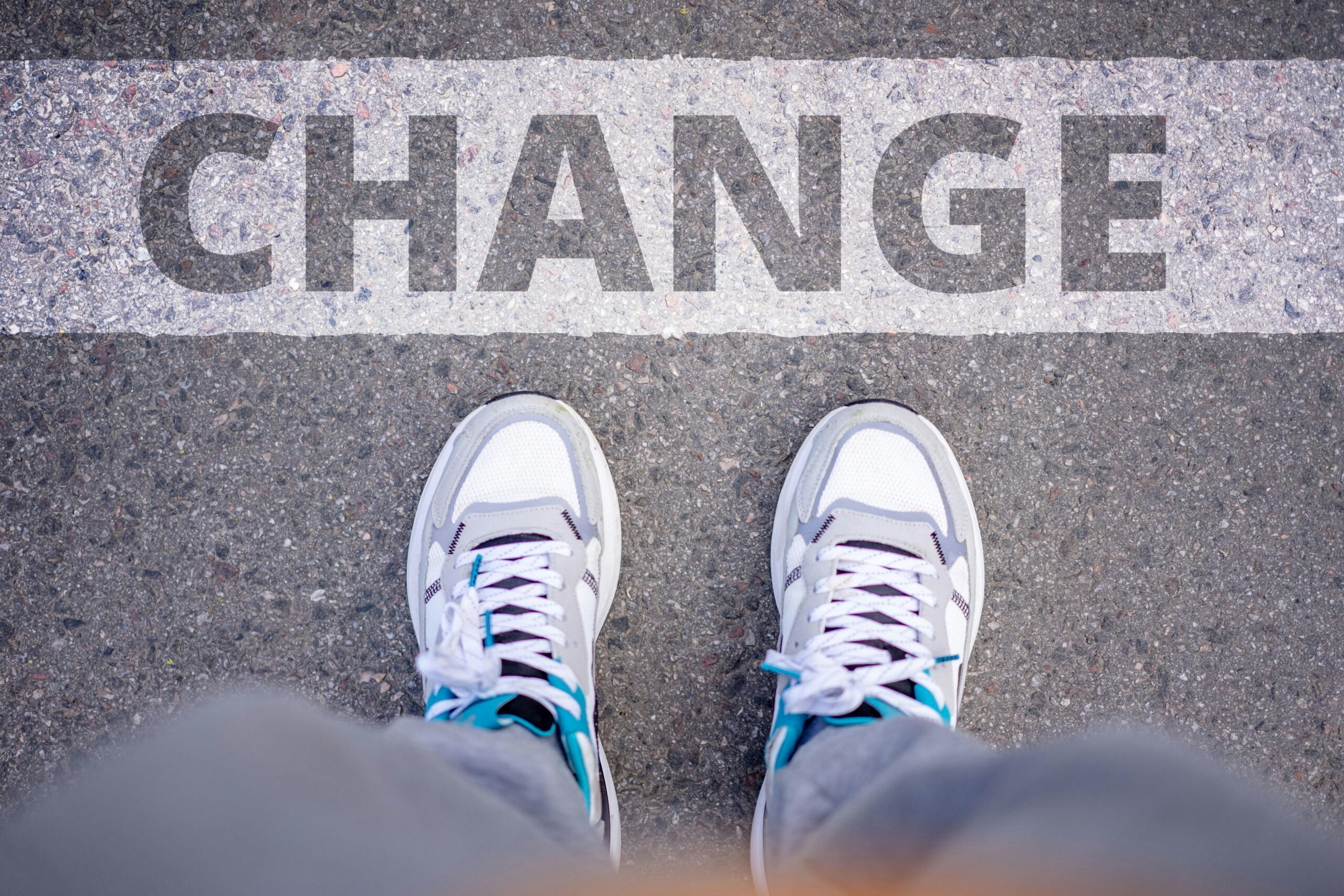
Redefining Success Through a Lens of Gradual Growth 📈
Ultimately, embracing subtle change invites us to redefine success itself. Instead of measuring achievement through dramatic before-and-after comparisons, we learn to recognize growth in the daily choice to show up, to try, to remain open. Success becomes less about arriving at a destination and more about the quality of attention and intention we bring to the journey.
This redefinition liberates us from the tyranny of constant self-improvement while paradoxically enabling genuine transformation. When we stop demanding dramatic results from ourselves, we create space for authentic change to emerge naturally. When we honor small efforts as sufficient, we build sustainable momentum that compounds into extraordinary results.
The path of subtle change doesn’t promise easier transformation—it promises more sustainable, more authentic, and ultimately more profound transformation. It acknowledges that becoming who you’re meant to be isn’t about forcing yourself into a predetermined mold but about allowing your truest self to emerge through countless small choices made with awareness and intention.
Your life will be forever altered not by the dramatic moments you remember but by the thousands of subtle choices you barely notice. Each decision to align with your values rather than your impulses, each moment of choosing presence over distraction, each small act of courage or kindness—these are the building blocks of a life well-lived. Embrace these shifts, honor their subtlety, and trust their cumulative power to redefine your path in ways more beautiful than you can currently imagine. 🌟
