
Anúncios
Our bodies tell stories our words sometimes cannot. Every emotional shift, every moment of growth, leaves its mark—not just on our minds, but on our physical form as well.
🌱 The Invisible Bridge Between Mind and Body
The relationship between our inner world and outer appearance has fascinated humans for centuries. Ancient wisdom traditions spoke of the mind-body connection long before modern science confirmed what our ancestors intuitively knew: our emotions and psychological states profoundly influence our physical being.
Anúncios
When we experience significant emotional transitions or periods of intense personal growth, our bodies respond in remarkable ways. Stress hormones like cortisol can alter our metabolism, change our skin’s appearance, and even affect how we carry ourselves. Conversely, positive emotional states release endorphins and serotonin that quite literally make us glow from within.
This bidirectional relationship means that as we transform internally, our external presentation evolves as well. The person who emerges from grief looks different than the one who entered it. Someone who has overcome deep-seated fears carries themselves with a posture that speaks volumes before they utter a single word.
Anúncios
The Science Behind Emotional Embodiment
Modern neuroscience has revealed fascinating insights into how our emotional experiences reshape our physical reality. The field of psychoneuroimmunology studies precisely this intersection—how psychological processes affect our nervous and immune systems.
Research demonstrates that chronic stress literally changes our cellular structure. Telomeres, the protective caps on our chromosomes, shorten under prolonged emotional distress, accelerating biological aging. Meanwhile, practices that promote emotional well-being like meditation and mindfulness have been shown to lengthen telomeres and enhance cellular repair mechanisms.
Hormonal Cascades and Physical Transformation
Our endocrine system acts as a chemical messenger service, translating emotional experiences into physical responses. When we feel joy, our bodies produce different hormonal cocktails than when we experience anxiety or sadness.
Oxytocin, often called the “love hormone,” does more than create feelings of bonding. It reduces inflammation, promotes healing, and even influences how our facial muscles form expressions that others perceive as warm and trustworthy. People who regularly experience positive social connections quite literally develop softer, more approachable features over time.
Conversely, sustained production of stress hormones like cortisol and adrenaline creates visible changes: increased fat storage around the midsection, skin conditions like acne and eczema, hair loss, and a perpetually tense facial expression that can become habitual.
💪 Physical Manifestations of Inner Transformation
The journey of personal growth leaves tangible evidence on our physical selves. These changes often surprise people who embark on deep therapeutic work or spiritual practices, not expecting their bodies to transform alongside their minds.
Posture and Presence
Our posture tells the story of our emotional history. Childhood trauma often manifests as collapsed chest posture or perpetually raised shoulders—a defensive stance the body maintains long after the original threat has passed. As individuals process and heal from past wounds, their physical carriage literally opens up.
Therapists and body workers frequently observe clients growing taller by an inch or more as they release chronic muscular tension held for decades. This isn’t actual skeletal growth but rather the unfolding of a frame that had been compressed by emotional weight.
Facial Features and Expression
The face serves as a canvas where our emotional lives paint themselves over time. Habitual expressions create lines and contours that become permanent features. The frequently angry person develops furrows between their brows. The chronically worried individual etches horizontal lines across their forehead.
But transformation works in reverse as well. People who undertake serious inner work often report that others comment on how different they look—softer, younger, more vibrant—even when nothing external has changed. The relaxation of chronically tense facial muscles, combined with more frequent genuine smiles, reshapes facial topography in measurable ways.
🎨 The Aesthetic of Authenticity
There’s a particular quality that emerges when someone aligns their inner truth with their outer expression. This authenticity creates an aesthetic that transcends conventional beauty standards—a magnetism that draws others not through perfection but through congruence.
When individuals suppress their true emotions or live in discord with their values, a certain dimness settles over their physical presence. Eyes lose their sparkle, skin loses its luster, and movements become wooden or overly controlled. This isn’t imagination—it’s the physical cost of maintaining an inauthentic persona.
The Glow of Congruence
Conversely, people living authentically display what might be called “the glow of congruence.” Their energy isn’t divided between who they are and who they’re pretending to be. This unified state of being translates into:
- More animated and natural facial expressions
- Fluid, confident body language
- Better skin quality due to reduced stress hormones
- Brighter, more engaged eyes
- A voice that resonates with genuine emotion
- An overall presence that feels magnetic and trustworthy
Weight, Body Composition, and Emotional States
The relationship between emotions and body weight extends far beyond simple calorie mathematics. While energy balance remains fundamental to weight management, emotional factors profoundly influence both sides of that equation.
Emotional eating represents one obvious connection, but the mechanisms run much deeper. Chronic stress elevates cortisol, which preferentially stores fat in the abdominal region and increases cravings for high-calorie foods. Depression often reduces metabolic rate and motivation for physical activity. Anxiety can suppress appetite or trigger nervous eating patterns.
Transformation Through Emotional Processing
Many people report significant body composition changes when they address underlying emotional issues, even without conscious dietary changes. Processing grief might release weight that had been “protecting” someone from feeling vulnerable. Healing from trauma might eliminate the perceived need for a larger body as a buffer from the world.
This isn’t to suggest that all weight concerns are purely emotional—biology is complex and multifactorial. However, ignoring the emotional dimension often explains why purely physical interventions sometimes fail to produce lasting results.
🧘♀️ Practices That Bridge Inner and Outer Transformation
Certain practices excel at facilitating the translation of inner growth into visible physical changes. These modalities work with the body-mind connection intentionally, recognizing that transformation must be embodied to be complete.
Somatic Therapies
Somatic therapy approaches recognize that trauma and emotion live in the body, not just the mind. Techniques like Somatic Experiencing, Sensorimotor Psychotherapy, and Trauma-Sensitive Yoga help individuals access and release emotional material stored in muscular tension and movement patterns.
Clients often experience profound physical changes through these modalities—chronic pain disappearing, breathing deepening, and physical capabilities expanding as emotional blocks are processed and released.
Mindfulness and Meditation
Regular meditation practice produces measurable physical changes. Brain imaging studies show increased gray matter density in regions associated with emotional regulation, perspective-taking, and self-awareness. Practitioners develop better stress resilience, reflected in lower baseline cortisol levels and more stable cardiovascular metrics.
Over time, meditators often develop a distinctive quality of stillness and presence that others can perceive. Their nervous systems literally become better regulated, creating a calm alertness that’s visible in their physical bearing.
Expressive Movement
Dance, authentic movement, and other expressive physical practices offer powerful vehicles for emotional processing. When we move our emotions rather than just thinking about them, we complete neurological loops that can otherwise remain stuck.
People who engage in regular expressive movement often report feeling more “at home” in their bodies. Their physical vocabulary expands, posture improves, and a greater sense of physical freedom emerges—all reflections of increased emotional liberty.
The Mirror of Relationship: How Others Reflect Our Changes
One of the most powerful indicators that our inner transformation has manifested physically comes through changed responses from others. People often report that as they’ve grown internally, the types of attention and treatment they receive externally shifts dramatically.
This isn’t superficial—it reflects how our energy, boundaries, and self-concept are communicated through countless micro-signals in posture, facial expression, vocal tone, and presence. When we genuinely value ourselves differently, others intuitively respond to those shifted signals.
Shifting Dynamics
Someone who’s done serious work on self-worth might notice they no longer attract or tolerate disrespectful treatment. A person who’s processed anger might find that others no longer walk on eggshells around them. These shifts happen because the physical and energetic presentation has changed, even if the person can’t articulate exactly what’s different.
✨ The Continuous Cycle of Transformation
Understanding the connection between inner growth and physical change illuminates an important truth: transformation isn’t a destination but an ongoing process. Our bodies continuously reflect our emotional and psychological states, creating a feedback loop that can work for or against us.
When we cultivate emotional awareness and actively pursue growth, we set this cycle in a positive direction. Each increment of inner development produces subtle physical shifts. These physical changes then influence how we feel emotionally and how others respond to us, which further supports continued growth.
Creating Intentional Change
Recognizing this connection empowers us to approach personal development more holistically. Rather than treating physical appearance as separate from emotional life, we can:
- Acknowledge that lasting physical changes often require addressing underlying emotional patterns
- Use body-awareness practices to access and process emotions
- Notice physical tension or discomfort as information about emotional states
- Appreciate physical changes as evidence of genuine inner transformation
- Cultivate self-compassion around the pace of change, recognizing that deep transformation takes time
🌟 Beyond Vanity: Wholeness as the True Goal
While it’s natural to appreciate aesthetic improvements that come with personal growth, focusing solely on physical appearance misses the deeper point. The goal isn’t to look different but to become more whole—to bring our outer and inner selves into alignment.
This wholeness creates a beauty that transcends conventional standards. It’s the radiance of someone living authentically, the magnetism of integrated presence, the peace of someone at home in their own skin. These qualities make people beautiful in ways that have nothing to do with symmetry or standardized features.
Redefining Success
When we frame transformation around wholeness rather than appearance, success metrics shift. Instead of measuring progress by pounds lost or wrinkles erased, we might assess:
- How comfortable do I feel in my body?
- How congruent are my inner feelings and outer expression?
- How much energy am I spending maintaining facades?
- How authentically can I connect with others?
- How regulated is my nervous system?
- How much joy and presence do I experience?
These questions point toward a more meaningful conception of transformation—one where physical changes serve as evidence of deeper integration rather than superficial goals in themselves.
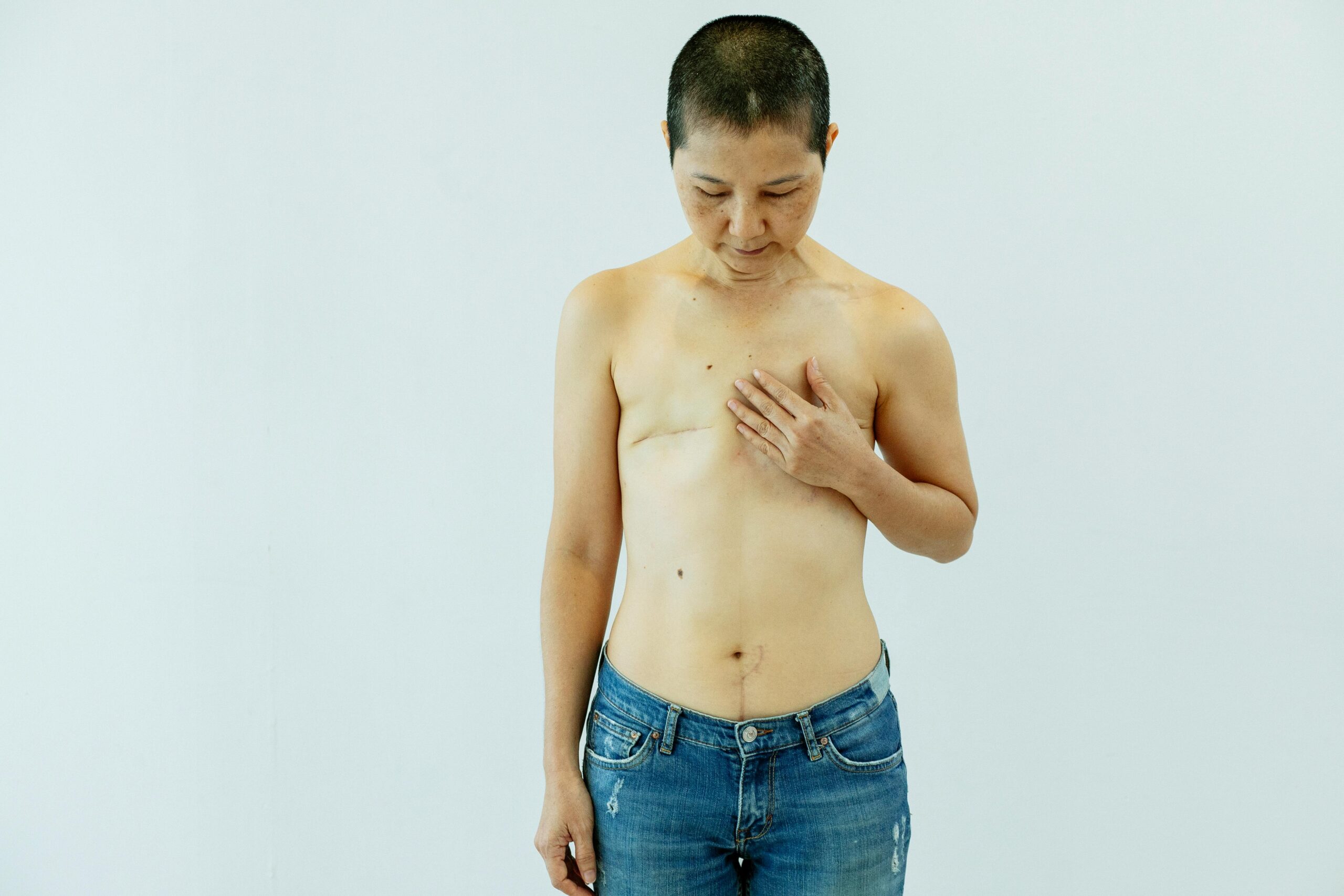
The Journey Inward as the Path Forward
The most profound physical transformations don’t begin with diets, exercise programs, or cosmetic interventions. They begin with the courage to look inward, to feel what we’ve been avoiding, to process what we’ve been carrying, and to become who we actually are beneath layers of protection and pretense.
This inward journey naturally produces outward changes. As we release emotional baggage, our bodies quite literally lighten. As we stand in our truth, our posture straightens. As we forgive and let go, our faces soften. As we embrace our authentic selves, we become more beautiful in the truest sense of the word.
The body doesn’t lie. It faithfully reflects our inner landscape, for better or worse. This can feel daunting—knowing that our unprocessed emotions might be visible in our physical form. But it’s also profoundly hopeful. It means that genuine inner work will inevitably show itself. That growth isn’t just an abstract concept but something that manifests in tangible, visible ways.
Every step toward greater emotional health and psychological wholeness writes itself onto our physical being. Every moment of authentic expression relaxes some habitually tensed muscle. Every processed grief releases some held breath. Every embraced truth straightens some protective slouch.
We are not divided beings with separate minds and bodies. We are integrated systems where emotional, psychological, and physical dimensions continuously inform and transform each other. Understanding this integration invites us toward a more complete form of healing and growth—one that honors the profound power of emotion and inner development to literally reshape who we are, inside and out. 💫
