
Anúncios
Our environment shapes us in profound ways, influencing our thoughts, behaviors, and potential for personal transformation. The spaces we inhabit daily act as silent architects of our growth journey.
🌍 The Invisible Architecture of Our Lives
Every corner we turn, every room we enter, and every landscape we encounter leaves an imprint on our consciousness. The environment doesn’t just surround us—it actively participates in shaping who we become. From the colors on our walls to the people in our neighborhoods, these external factors create a complex web of influences that either propel us toward growth or anchor us in stagnation.
Anúncios
Research in environmental psychology has consistently demonstrated that our surroundings impact everything from our mood and productivity to our long-term health outcomes and decision-making abilities. When we understand this dynamic relationship between self and space, we unlock a powerful tool for intentional transformation.
The concept isn’t new. Ancient civilizations understood the importance of environment in shaping human experience. Feng shui practitioners in China, Vastu Shastra experts in India, and Greek philosophers all recognized that physical space influences mental and spiritual states. What modern science brings to this ancient wisdom is empirical validation and a deeper understanding of the mechanisms at play.
Anúncios
The Psychology Behind Environmental Influence
Our brains are remarkably adaptive organs, constantly responding to environmental cues through a process called neuroplasticity. When we change our surroundings, we literally create new neural pathways. This biological reality means that environmental transformation can serve as a catalyst for personal transformation.
The sensory information we receive from our environment shapes our emotional baseline. Natural lighting, for instance, regulates our circadian rhythms and influences serotonin production. Cluttered spaces increase cortisol levels, triggering stress responses that can become chronic. Conversely, organized, aesthetically pleasing environments promote calm and focus.
Social environments carry equal weight in this equation. The people we surround ourselves with become our reference points for normal behavior, acceptable ambitions, and possible identities. This phenomenon, known as social contagion, explains why habits—both positive and negative—spread through social networks like ripples in water.
Priming and Environmental Cues
Psychological priming occurs when environmental stimuli unconsciously influence subsequent behavior. A study at Yale University famously demonstrated that participants who held warm beverages perceived others as having warmer personalities. This effect extends to our personal spaces: surrounding yourself with books primes reading behavior; fitness equipment in visible locations prompts exercise; healthy food at eye level encourages better eating choices.
Understanding priming empowers us to design environments that naturally guide us toward desired behaviors. This approach requires less willpower than fighting against environmental resistance, making sustainable change more achievable.
🏡 Physical Spaces as Transformation Tools
Your home environment serves as the primary stage for daily life. When this space aligns with your growth objectives, transformation becomes significantly easier. Consider how different rooms serve different psychological functions and how intentional design can amplify desired outcomes.
The bedroom should promote rest and intimacy. Removing work materials, limiting screen exposure, and incorporating calming colors and textures creates an environment conducive to quality sleep—which research consistently links to cognitive function, emotional regulation, and physical health.
Workspaces benefit from different design principles. Natural light exposure, plants, ergonomic furniture, and minimal visual distractions optimize focus and creativity. For those working from home, creating clear spatial boundaries between work and relaxation zones helps maintain psychological separation crucial for work-life balance.
The Minimalism Movement and Mental Clarity
The growing interest in minimalism reflects an intuitive understanding of environment’s cognitive load. Excessive possessions demand attention, decision-making energy, and maintenance time. Each object in your visual field requires mental processing, even if unconsciously.
Minimalism isn’t about deprivation but about intentionality. Keeping only items that serve a function or bring genuine joy creates space—both physical and mental—for growth-oriented activities. This philosophy extends beyond aesthetics to represent a fundamental shift in how we relate to material possessions and define success.
Natural Environments and Human Flourishing 🌿
Biophilia, our innate tendency to seek connections with nature, has profound implications for personal development. Natural environments offer unique benefits that built environments struggle to replicate, regardless of how well-designed they are.
Time spent in nature reduces rumination—the repetitive negative thinking associated with depression and anxiety. Studies using brain imaging technology show that walks in natural settings decrease activity in the prefrontal cortex region linked to mental illness, while urban walks show no such effect.
Natural environments also restore attention. Modern life constantly demands directed attention—the effortful focus required for work, navigation, and decision-making. Nature engages involuntary attention through fascinating stimuli like flowing water or rustling leaves, allowing directed attention to rest and replenish.
Practical Nature Integration
For urban dwellers without easy access to wilderness, incorporating nature doesn’t require dramatic lifestyle changes. Indoor plants improve air quality while providing psychological benefits. Nature sounds, even recorded, reduce stress. Views of greenery from windows correlate with better health outcomes and faster recovery from illness.
Regular exposure to natural settings—whether urban parks, gardens, or wilderness areas—should be considered essential maintenance for mental health, similar to exercise or adequate sleep. The dose matters: studies suggest at least two hours per week in nature provides measurable wellbeing benefits.
🤝 Social Environments: Choosing Your Influences
Jim Rohn famously stated that we become the average of the five people we spend the most time with. While this specific formulation may oversimplify, the underlying principle holds substantial truth. Our social environment powerfully shapes our aspirations, habits, beliefs, and sense of possibility.
Social comparison is inevitable and often unconscious. When everyone in your social circle pursues similar goals, those ambitions feel normal and achievable. Conversely, unique aspirations can feel strange or intimidating when no one around you shares them. This dynamic explains why geographic and social mobility often accompany personal transformation—sometimes changing who you become requires changing who surrounds you.
Positive peer pressure leverages this social influence constructively. Joining communities aligned with your growth objectives—whether fitness groups, book clubs, professional organizations, or creative collectives—provides accountability, inspiration, and practical support. These environments normalize the behaviors required for transformation.
Curating Digital Social Environments
Modern social environments extend far beyond physical proximity. Digital spaces where we spend hours daily shape our perspectives as powerfully as in-person interactions. Social media feeds function as curated environments that can either support or undermine personal growth.
Intentionally following accounts that inspire, educate, and challenge you transforms social media from a distraction into a growth tool. Unfollowing or muting sources of negativity, comparison-induced anxiety, or time-wasting content represents environmental design applied to digital space. Several apps now offer tools for mindful social media use, limiting exposure while maintaining connections.
Cultural Environments and Identity Formation 🌏
Broader cultural environments—the values, norms, and narratives prevalent in our societies—shape what we believe is possible and desirable. Culture provides the stories we use to understand ourselves and the world, influencing everything from career choices to relationship patterns.
Geographic relocation to cultures with different values can catalyze profound personal transformation. Living abroad challenges assumptions, expands perspectives, and often reveals aspects of identity previously obscured by cultural familiarity. Even without moving, seeking exposure to diverse cultural perspectives through literature, film, travel, or multicultural communities broadens the range of possible selves we can imagine becoming.
Subcultures within larger societies offer alternative value systems and identity models. Engaging with communities centered on personal development, creativity, social justice, or spiritual practice provides cultural containers that support growth trajectories mainstream culture might not recognize or value.
⚡ Creating Environmental Accountability Systems
Environmental design can build automatic accountability into daily life. Public commitments create social pressure that supports follow-through. Sharing goals with friends, joining challenge groups, or posting progress updates leverages social environment for accountability.
Financial commitments work similarly. Prepaying for classes, hiring coaches, or joining gyms creates financial investment that motivates participation. Apps that donate to causes you oppose when you miss goals represent creative environmental accountability—your surroundings actively respond to your behavior.
Physical environmental accountability includes placing items that represent commitments in visible locations. A guitar by the couch reminds you to practice; running shoes by the door prompt morning jogs. These environmental cues transform good intentions into regular behaviors through constant gentle reminders.
🎨 Aesthetic Environments and Inspiration
Beauty matters more than purely functional thinking acknowledges. Aesthetically pleasing environments elevate mood, inspire creativity, and signal to ourselves that we deserve quality surroundings. This isn’t about expensive design but thoughtful curation aligned with personal taste.
Art, whether high culture or personal favorites, provides inspiration and emotional resonance. Surrounding yourself with images, objects, or quotes that represent aspirational qualities keeps those values present in daily consciousness. Vision boards work precisely because they create environmental reminders of desired futures.
Color psychology, while sometimes overstated, offers genuine insights into environmental mood influence. Blues and greens generally promote calm; reds increase energy and urgency; yellows stimulate creativity. Choosing colors intentionally for different spaces optimizes each environment for its intended function.
The Workplace Environment and Professional Growth 💼
Professional environments profoundly impact career trajectories and skill development. Company culture, leadership styles, colleague relationships, and physical workspace design all contribute to professional growth or stagnation.
Organizations with learning cultures that encourage experimentation, tolerate failure, and invest in employee development create environments where professional transformation flourishes. Conversely, cultures emphasizing rigid hierarchies, blame, and risk-avoidance stifle growth regardless of individual talent or ambition.
For those with limited control over workplace environment, creating micro-environments within larger contexts remains possible. Personalizing desk space, seeking mentors, joining professional development groups, or proposing improvements demonstrates agency within constraints. Sometimes, recognizing environmental limitations signals the need for external change—seeking new employment that better supports growth objectives.
🔄 Strategic Environment Changes for Specific Goals
Different growth objectives benefit from different environmental modifications. Understanding these connections enables targeted interventions that accelerate progress toward specific goals.
For creative development, environments should balance stimulation and space for focus. Inspiration comes from exposure to diverse inputs—art, nature, conversations, new experiences. Creation requires distraction-free time and appropriate tools readily available. Alternating between stimulating exploratory environments and quiet creative spaces supports the complete creative cycle.
Physical health transformations benefit enormously from environmental design. Keeping healthy food accessible while removing temptations reduces reliance on willpower. Placing workout equipment or clothes in visible locations prompts exercise. Joining fitness communities provides social support and accountability. These environmental adjustments make healthy choices the path of least resistance.
Learning and Skill Development Environments
Effective learning environments minimize distractions while providing necessary resources. Dedicated study spaces separate from relaxation areas help the brain enter focused learning modes. Removing phones or using website blockers during study time protects attention from digital interruptions.
Learning communities, whether formal classes or informal study groups, provide motivation and diverse perspectives that deepen understanding. Teaching others consolidates knowledge, making communities where members share expertise particularly valuable for skill development.
Recognizing When Environment Change Isn’t Enough 🔍
While environmental transformation powerfully supports personal growth, it isn’t a complete solution for all challenges. Mental health conditions, trauma, and deep-seated psychological patterns often require professional therapeutic intervention beyond environmental modification.
Environmental change works best when combined with internal work—developing self-awareness, challenging limiting beliefs, building emotional regulation skills, and cultivating resilience. Environment can support and accelerate internal transformation but rarely creates it without conscious individual effort.
The most sustainable transformations integrate external environmental changes with internal psychological and behavioral shifts. This holistic approach recognizes that we simultaneously shape and are shaped by our surroundings in an ongoing dynamic relationship.
🚀 Implementing Your Environmental Transformation Strategy
Beginning environmental transformation requires assessment before action. Evaluate current environments across domains—physical home spaces, social circles, professional settings, digital environments, and cultural exposures. Identify which elements support growth objectives and which create obstacles or distractions.
Prioritize changes with the highest impact relative to effort required. Sometimes simple modifications—rearranging furniture, curating social media, or joining one new community—create disproportionate positive effects. Start with manageable changes that build momentum rather than overwhelming comprehensive overhauls that rarely sustain.
Experiment and iterate. Environmental design isn’t one-size-fits-all; what works brilliantly for others might not suit your needs or preferences. Try modifications, observe effects honestly, and adjust accordingly. This experimental mindset transforms environmental design from rigid prescription to personalized optimization.
Remember that environment and self evolve together. As you grow, your environmental needs change. Periodically reassessing whether current surroundings still serve evolving goals prevents environments from becoming comfortable constraints rather than growth catalysts. Transformation is ongoing, not a destination, and your surroundings should evolve alongside you.
✨ The Reciprocal Nature of Transformation
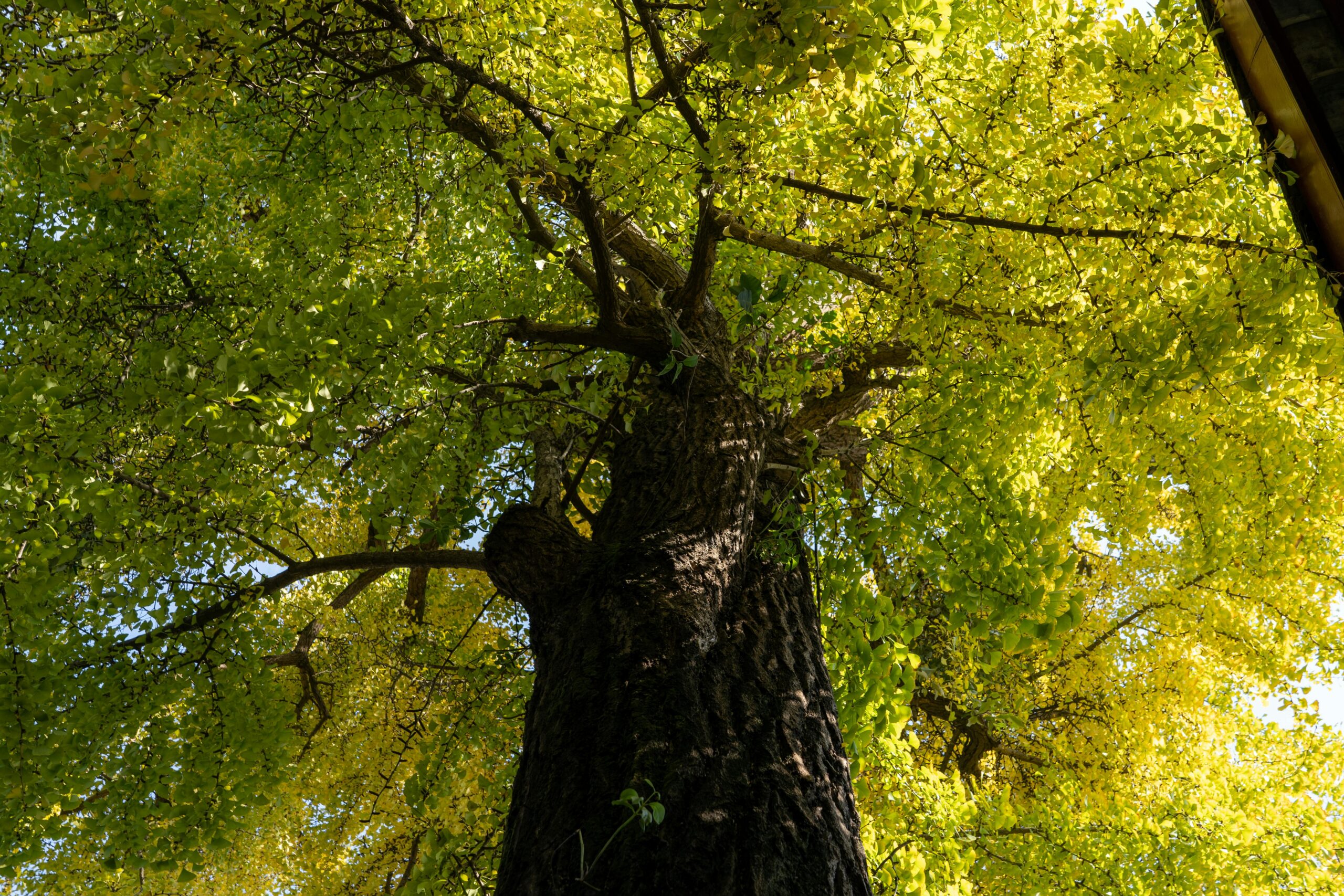
Perhaps the most profound insight about environmental transformation is its reciprocal nature. We shape our environments, which then shape us, which enables us to shape environments more intentionally, in an upward spiral of mutual development. This reciprocal relationship means we’re never passive victims of circumstance but active participants in creating the contexts that form us.
Taking responsibility for environmental influence doesn’t mean blaming yourself for challenging circumstances or denying real structural constraints. Rather, it means recognizing the agency you possess, however limited, to modify surroundings in ways that support flourishing. Even small environmental adjustments compound over time into significant life changes.
Your surroundings tell a story about who you are and who you’re becoming. What story do your current environments tell? More importantly, what story do you want them to tell? The power to author that story through intentional environmental design represents one of the most accessible yet underutilized tools for personal transformation available to everyone.
